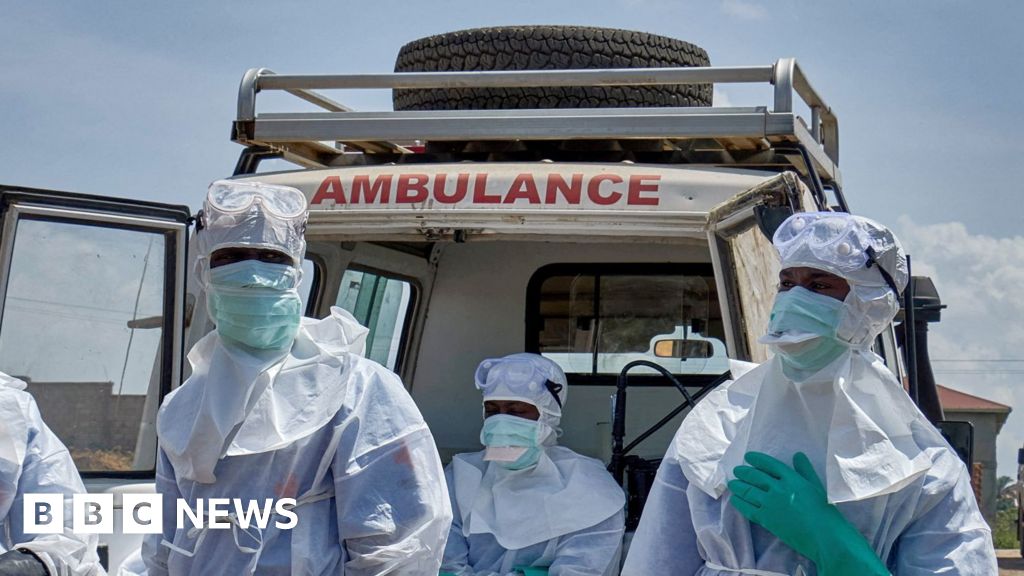
Mourners gathered on Friday to bury a six-month-old girl who died from Ebola earlier in the week, marking the third child to die at an orphanage in eastern Congo as authorities struggle to contain the latest outbreak. The burial highlights the ongoing challenges faced by health officials and local communities in managing the spread of the virus in the region.
The death of the infant adds to the growing toll of the current Ebola epidemic, which has affected multiple facilities in eastern Democratic Republic of Congo (DRC). Health authorities have reported that this is the third child to die at an orphanage linked to the outbreak. The specific circumstances surrounding the deaths of these children underscore the difficulties in isolating infected individuals and providing adequate care in resource-constrained settings.
In a separate development related to the same outbreak, a six-year-old Ebola patient who was taken from a hospital in the DRC has been located and is reported to be doing well. This case illustrates the volatility of patient movements during health crises and the importance of tracking individuals who leave medical facilities against standard protocols. The recovery of this young patient provides a contrast to the fatalities reported at the orphanage, demonstrating that outcomes can vary significantly depending on access to treatment and the speed of intervention.
Health facilities have come under attack during the current outbreak as a result of misinformation and fear. These attacks pose a significant threat to the containment efforts, as they disrupt medical operations and endanger healthcare workers who are essential to managing the crisis. The combination of violent incidents against infrastructure and the spread of false information complicates the work of public health teams trying to trace contacts and administer vaccines or treatments.
The situation in eastern Congo remains fluid, with authorities working to balance the immediate needs of patients with the broader goal of stopping transmission. The deaths at the orphanage and the status of the hospitalized child who was removed from care represent two distinct facets of the outbreak's impact on vulnerable populations. While one group suffers losses due to the virus's severity and logistical hurdles, another individual has survived despite leaving the safety of a medical facility.
International and local health organizations continue to monitor the situation closely. The dual narratives of loss and survival reflect the complex reality of fighting Ebola in areas where infrastructure is fragile and community trust is easily eroded by rumors. Authorities are likely focusing on strengthening security around health sites and launching education campaigns to counter misinformation, which has been identified as a primary driver of hostility toward medical staff.
As the outbreak persists, the focus remains on containing the virus through rigorous contact tracing, safe burials, and community engagement. The events involving the six-month-old victim and the six-year-old patient serve as case studies for the broader challenges of Ebola response in the region. Each incident requires a tailored approach to address both the medical needs of the patients and the social dynamics affecting the spread of the disease.
Read the original coverage
💬 Comments
📜 Comment Policy