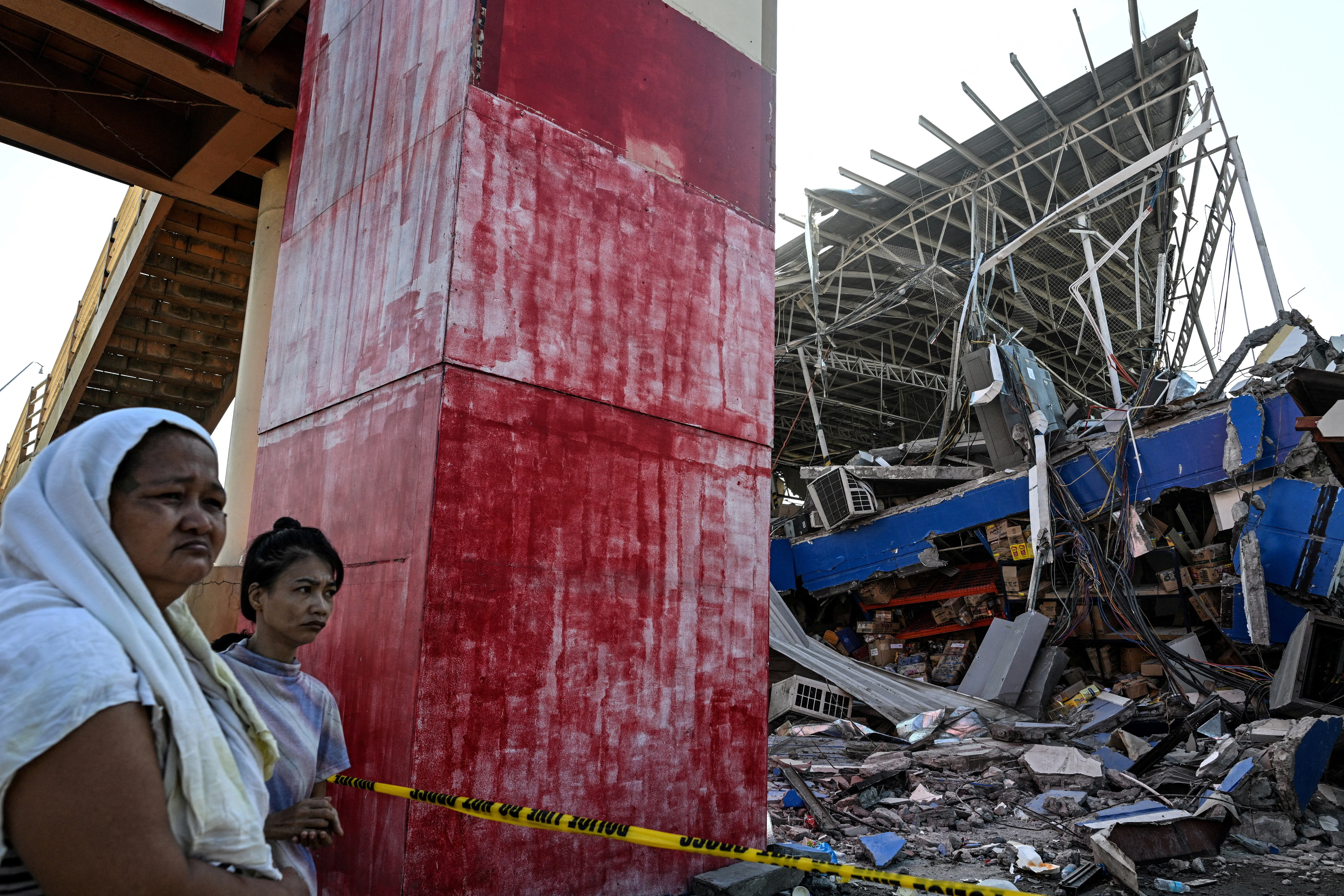
A major seismic event in the southern Philippines has resulted in at least 37 confirmed fatalities and displaced approximately 20,000 residents. The earthquake is characterized as one of the strongest to strike the nation in half a century. Emergency response efforts were underway on Tuesday, with rescue personnel conducting systematic searches through ruined buildings to verify that no survivors remained trapped following the initial tremor. These recovery operations occurred one day after the quake initially struck the region.
Coverage from New York Post highlighted the immediate aftermath of the disaster, emphasizing the scale of human displacement and the ongoing search-and-rescue operations in the southern provinces. The outlet reported that emergency crews were actively clearing debris and inspecting damaged structures to ensure public safety. The report noted that the tremor’s intensity placed it among the most significant seismic events recorded in the country over the past fifty years. The publication focused on the logistical challenges faced by responders as they navigated collapsed infrastructure to locate potential survivors.
Additional context regarding the region’s geological vulnerability was provided by Euronews, which outlined the tectonic factors contributing to frequent natural disasters in the area. The outlet explained that the Philippines is regularly subjected to earthquakes and volcanic eruptions due to its geographic placement along the Pacific “Ring of Fire.” This zone is defined as an arc of seismic faults surrounding the ocean basin, creating conditions conducive to regular tectonic activity. The coverage detailed how this specific geographic positioning consistently exposes the archipelago to high levels of seismic stress.
The intersection of high casualty figures, widespread displacement, and structural damage underscores the severity of the event. Rescue teams continue to navigate collapsed infrastructure in the southern Philippines to locate potential survivors and secure affected areas. Authorities and emergency responders remain focused on managing the immediate humanitarian impact while assessing the long-term consequences of a major seismic occurrence in a geologically active region. The reported figures indicate that thousands of residents have been forced from their homes, requiring sustained coordination between local authorities and relief organizations to address housing and safety needs. Ongoing assessments will determine the full scope of infrastructure damage and the timeline for community recovery.
Read the original coverage
💬 Comments
📜 Comment Policy