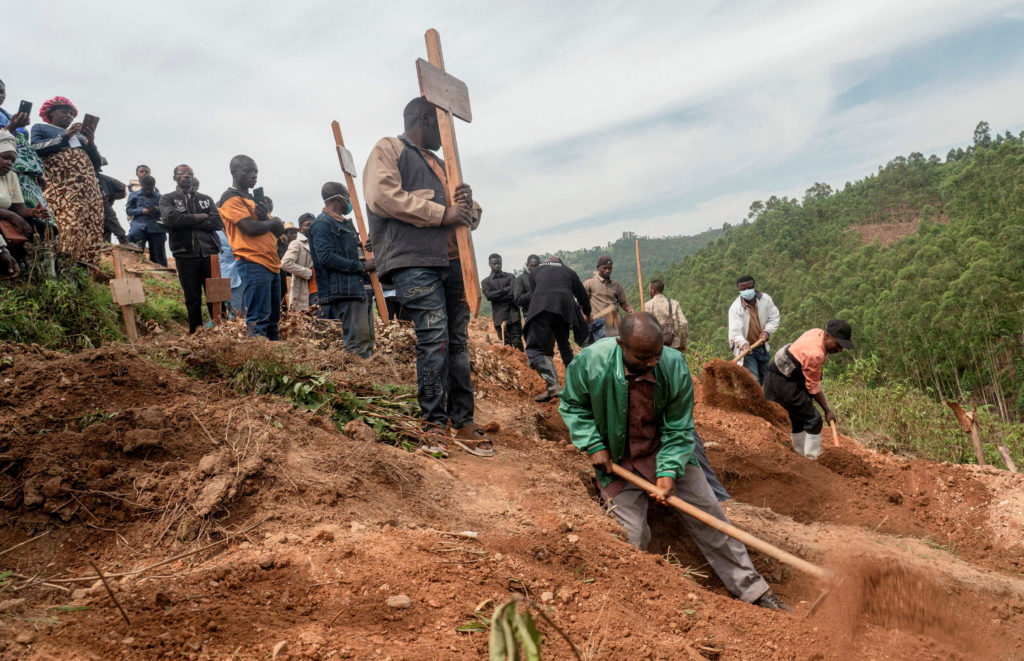
An ongoing Ebola outbreak in the Democratic Republic of Congo has surpassed 5,000 deaths, with 10,351 confirmed cases and a nearly 50% fatality rate, according to data from the Congolese Ministry of Health. The outbreak, which began in May, is the deadliest in the country’s history and the second deadliest ever recorded, trailing only the 2014-2016 West Africa outbreak that killed over 11,325 people. The current outbreak is being driven by the Bundibugyo virus, for which there is no known vaccine or treatment. The epicenter remains in the Ituri province, a conflict zone hindering containment efforts. Cases have also been confirmed in Kenya, Nigeria, and Uganda, raising concerns about potential continent-wide spread.
Approximately 80% of new cases are occurring outside of monitored contact chains, indicating a significant level of undetected transmission, and one-third of those who died did not receive treatment. This poses a major challenge to health authorities struggling to trace contacts and test individuals. Attacks on health workers responding to the outbreak, including the recent killing of a nurse and injury to another, further complicate efforts. In Uganda, travel restrictions remain in place for those crossing from the DRC, while Kenya has reported nine confirmed cases and two deaths.
Dr. Patrick Otim of the World Health Organization stated that the milestone of 5,000 deaths is “not just a number,” but represents devastated families and communities. The UN warns the outbreak is “taking lives at a much faster rate” than previous outbreaks. The WHO calls for a scale-up of control measures, greater access to affected areas, and increased community outreach. Testing and clinical trials of vaccines are underway, though the Bundibugyo virus strain currently lacks a specific vaccine.
Our reading is that the scale of this Ebola outbreak in the DRC is deeply concerning, not only due to the high death toll and fatality rate, but also because of the challenges to containment. The significant number of cases occurring outside of monitored contact chains suggests a substantial, undetected spread, while attacks on healthcare workers actively impede response efforts. The spread to neighboring countries, despite some initial containment successes like in Nigeria, indicates the outbreak is proving difficult to control regionally.
Read the original coverage
💬 Comments
📜 Comment Policy