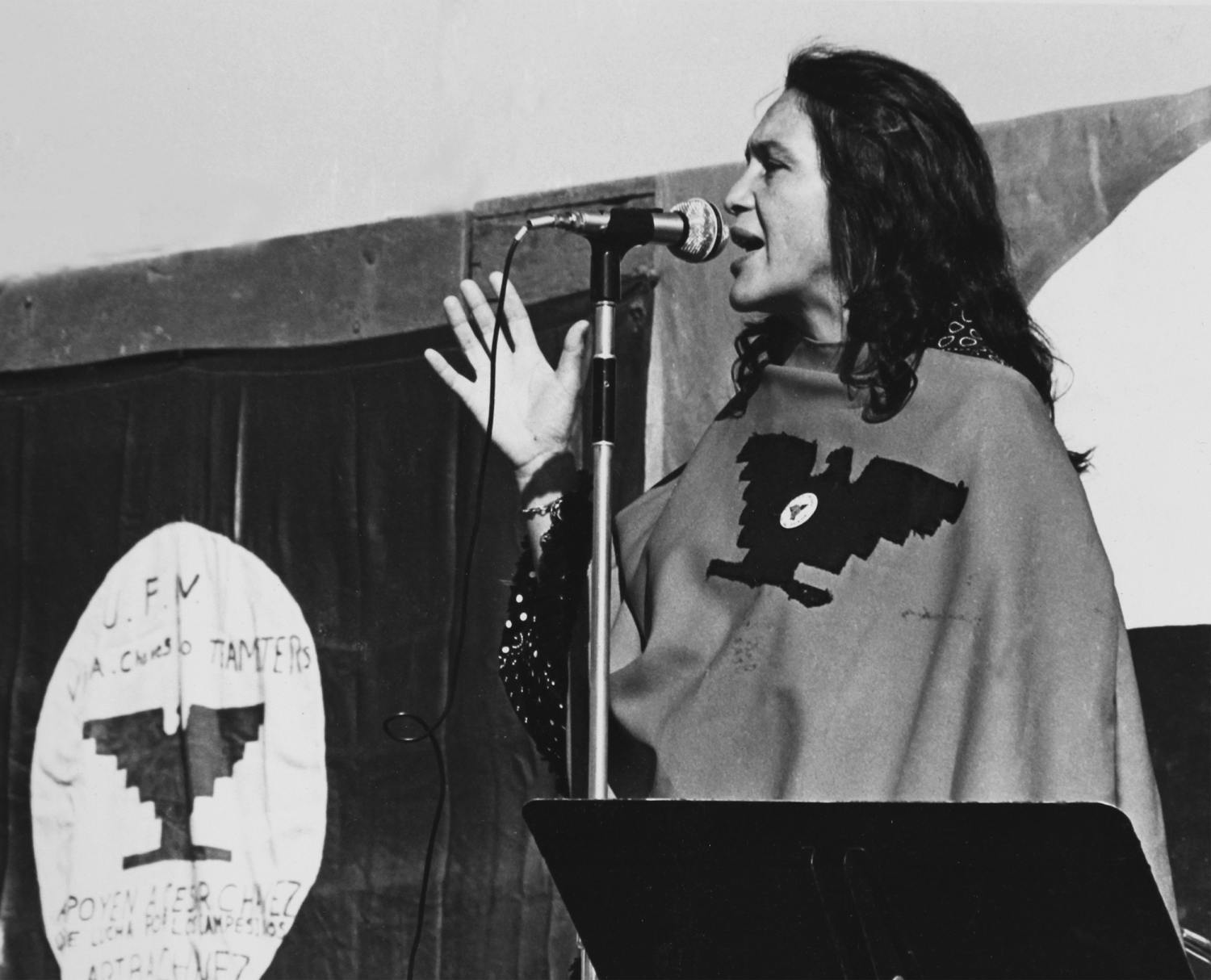
Dolores Huerta, a leading figure in the American labor and civil rights movements, died Wednesday at age 96. Co-founding the United Farm Workers (UFW) with Cesar Chavez and Gilbert Padilla, Huerta dedicated her life to improving conditions for farmworkers, securing the first union contracts in U.S. history for the profession. Her advocacy extended beyond labor rights to encompass voting rights, immigrant rights, environmental justice, and LGBTQ+ equality, leading to over 25 arrests for non-violent civil disobedience, including a 2019 protest for better pay for home health care workers at age 89. Huerta was recognized with the Presidential Medal of Freedom in 2012 and inducted into the National Women’s Hall of Fame in 1993.
In a revelation this year, Huerta disclosed that she was sexually abused by Cesar Chavez in the 1960s, resulting in two children. She explained her decades of silence stemmed from a fear of jeopardizing the farmworker movement and the progress it had made. Huerta stated in a 2026 interview with Latino USA that keeping the secret was “my personal pain” and “my cross to bear.” From the early 1970s, she was in a life partnership with Richard Chavez, Cesar’s brother, and together they had four children; she also had seven children from previous marriages.
Born in 1930 in New Mexico and raised in California, Huerta came from a family with a tradition of civic engagement. Her slogan, “Sí, se puede,” became a widely recognized rallying cry for social change. She remained active well into her 90s, continuing to advocate for various causes. Her family has requested privacy during this time.
Our reading is that the reporting emphasizes both Huerta’s long and impactful career as a labor and civil rights leader, and the deeply personal cost of a secret she carried for decades. The variation in reporting highlights the complexity of assessing a life, with some outlets prioritizing the recent revelation of abuse while others focus on the breadth of her activism. We observe a pattern of outlets framing Huerta’s work through specific lenses, such as its impact on people of color, or her family’s history of activism.
Read the original coverage
💬 Comments
📜 Comment Policy