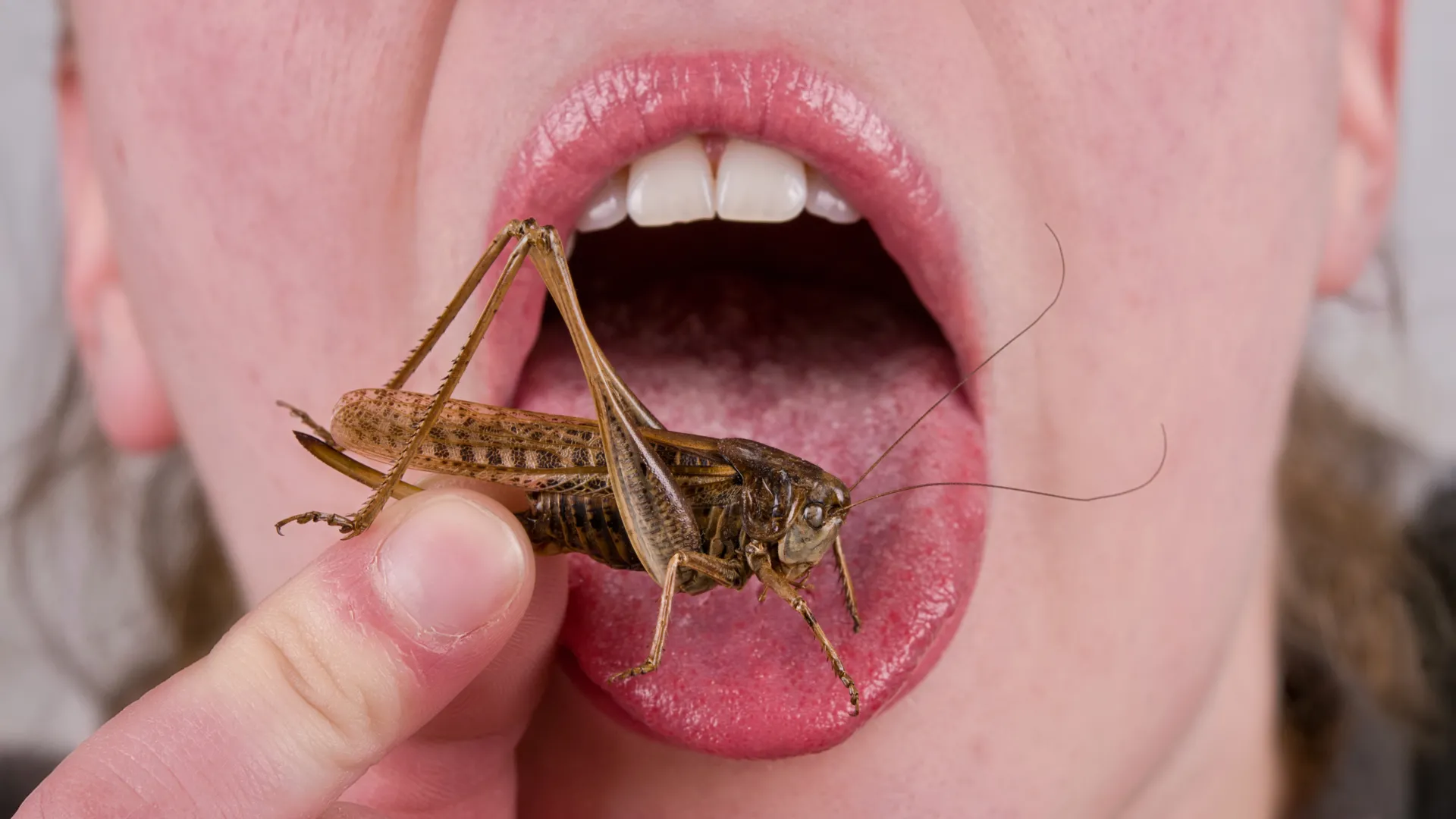
Recent research into ancient teeth and human DNA suggests a long history of varying insect consumption among different human populations. The study reveals that modern humans in northern Eurasia likely ate insects infrequently, while Neanderthals may have relied on them more regularly. Furthermore, populations closer to the tropics appear to have retained genetic adaptations that aid in digesting insect exoskeletons.
The research, detailed by ScienceDaily, indicates that the aversion to eating insects may not be a modern phenomenon. Scientists are uncovering evidence of differing patterns of insect consumption across time and geography. Specifically, the study highlights a contrast between northern Eurasian populations and those living closer to the tropics.
According to the source, modern humans in northern Eurasia appear to have eaten insects only occasionally. In contrast, Neanderthals may have consumed insects much more regularly. This suggests that insect consumption was more prevalent in the past, at least for certain hominin groups.
Perhaps most interestingly, the study found that populations near the tropics retain genes that make insect exoskeletons easier to digest. This genetic adaptation implies a historical reliance on insects as a food source in these regions and a continued ability to process them effectively. The source does not elaborate on the specific genes involved or the evolutionary pressures that led to their retention.
Read the original coverage
💬 Comments
📜 Comment Policy