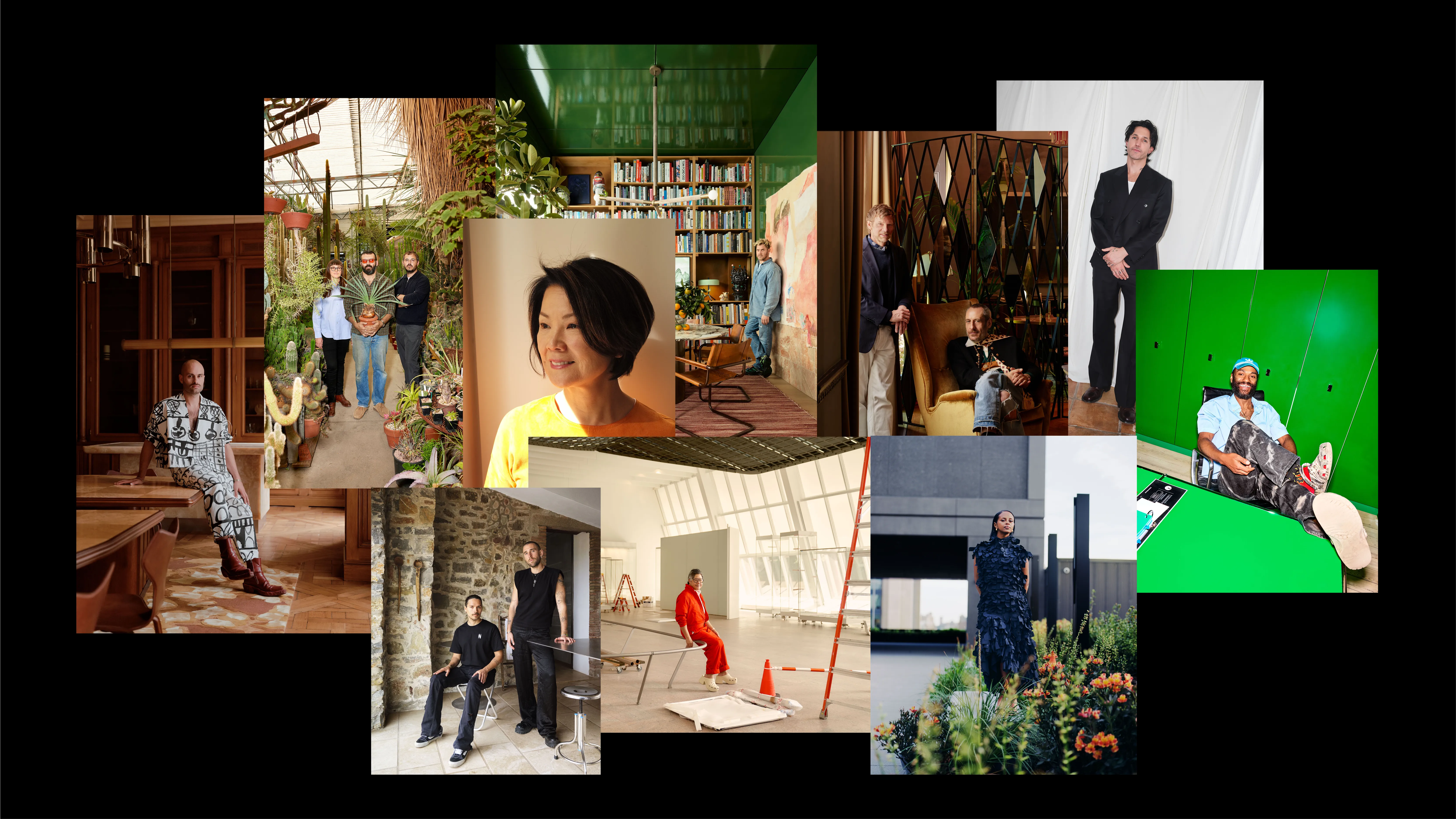
A recent article from Wired highlights how residential architecture is evolving to meet complex lifestyle needs. Ten designers shared insights on the trends defining the dwellings of tomorrow, emphasizing a shift toward highly functional and specialized living spaces.
The core theme identified by these experts is the increasing multipurpose nature of modern homes. As lifestyles become more varied, residences are being designed to accommodate a wider array of activities within a single footprint. This evolution moves beyond traditional room definitions, allowing for greater flexibility in how space is utilized daily.
Specific features mentioned include the creation of "friend compounds," which suggest a design philosophy centered around communal living and social interaction among peers rather than just nuclear families. Additionally, the inclusion of dedicated meditation spaces reflects a growing cultural emphasis on mental well-being and mindfulness within the home environment.
Outdoor areas are also receiving significant attention in these future designs. The trend involves creating shaded outdoor areas that serve as extensions of the indoor living space, providing comfort and usability regardless of weather conditions. This blurs the line between interior and exterior design, making the entire property a cohesive habitat.
Perhaps most notably, the article points to the emergence of hyper-specialized rooms. These are not general-purpose areas but spaces dedicated to singular activities. Examples include rooms just to make coffee, illustrating a desire for ritualistic and uninterrupted experiences in daily routines. This level of specialization indicates that homeowners are prioritizing specific hobbies and habits over generic utility.
These insights from ten designers collectively paint a picture of residential architecture that is becoming more fragmented yet more personalized. The goal is no longer just shelter but the optimization of individual moments and social connections within the home. As these trends develop, they challenge traditional architectural norms by demanding spaces that are both highly specific and broadly adaptable to the user's immediate needs.
We don't rate truth. We strip the spin and show you which perspectives covered the story. You decide.
Read the original coverage
💬 Comments
📜 Comment Policy