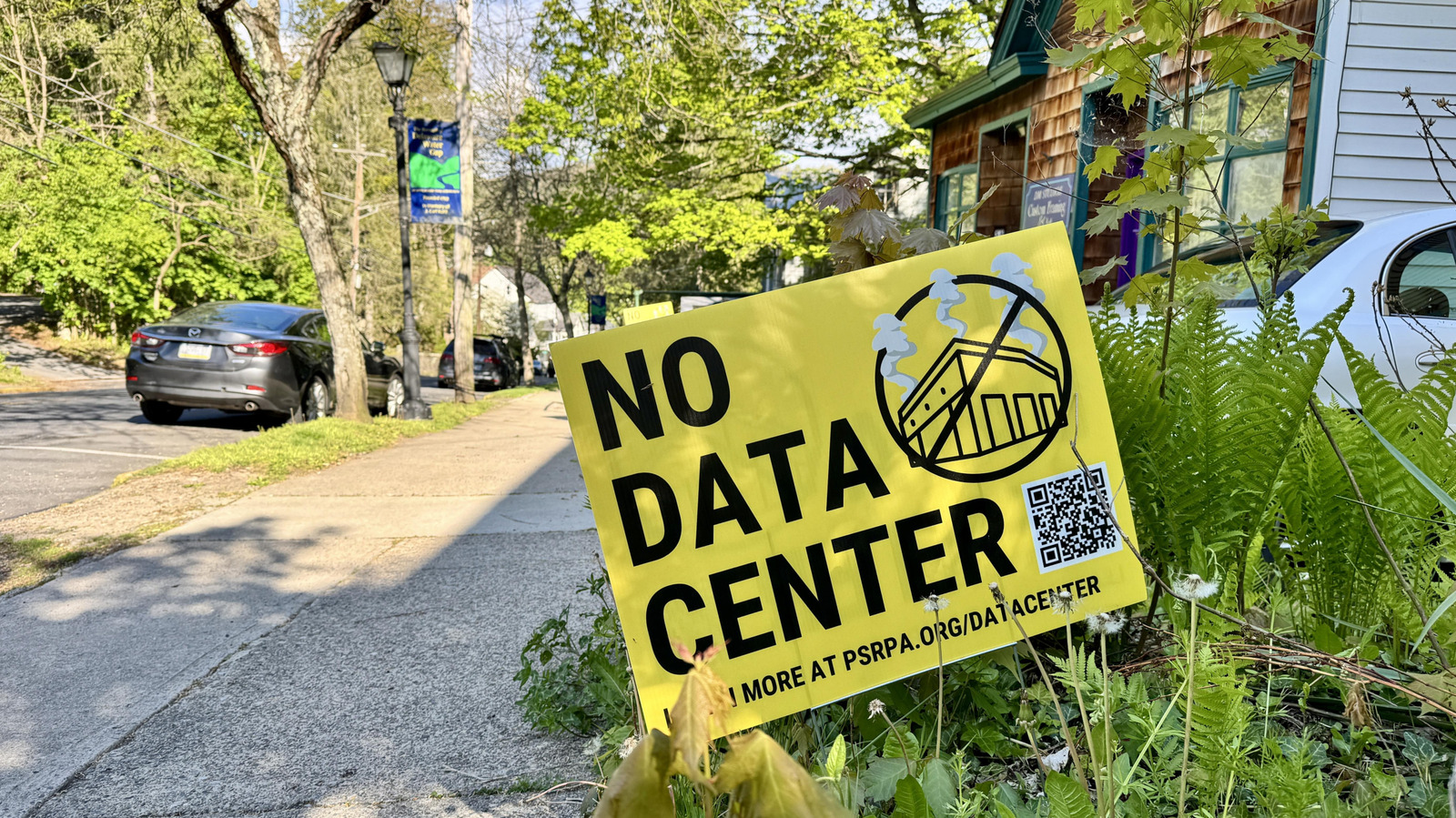
American voters in multiple states overwhelmingly approved measures to restrict the construction and operation of data centers in local elections held Tuesday, with 33 measures passing and another six projected to pass as of Wednesday morning. The votes reflect growing public concern over the energy demands and local impact of the facilities, which have proliferated rapidly alongside the growth of artificial intelligence. Nowhere was the rejection more pronounced than in Ohio, where data centers were on 20 ballots and restrictions are projected to win in every instance, with outright bans passing in Urbana and Hubbard by 76 and 77 percent respectively. The backlash against data centers appeared to influence several races, including the US Senate contest in Ohio, where Democrat Sherrod Brown, who opposed data centers, defeated Republican Jon Husted, whom Brown labeled “the face of data centers.” An NBC exit poll found that 56 percent of voters said AI and data centers played a crucial or major factor in their vote for Congress. Only one municipality, Harwood, North Dakota, voted against a measure requiring public hearings before approving large industrial projects like data centers.
These measures took various forms, including outright bans, temporary moratoriums, limits on energy use, and requirements for public approval before projects can move forward. Ohio, currently home to 257 data centers, saw the most widespread opposition. The measures passed in the state represent a significant shift in local control over the placement and operation of these facilities. The results suggest a growing trend of local resistance to data center development, driven by concerns about resource consumption and community impact.
While the majority of measures focused on restrictions, the single vote against increased oversight in Harwood, North Dakota, highlights the continued support for data center development in some areas. The scale of the opposition, however, is unprecedented, signaling a potential turning point in the debate over data center infrastructure and its impact on communities.
Our reading is that these midterm results represent a clear expression of local voter concern regarding the impact of data center construction and operation. The overwhelming passage of restrictive measures, particularly in Ohio, suggests a significant backlash against the rapid proliferation of these facilities. The connection drawn between opposition to data centers and the outcome of the US Senate race in Ohio indicates this issue resonated with voters beyond simply local zoning concerns.
Read the original coverage
💬 Comments
📜 Comment Policy