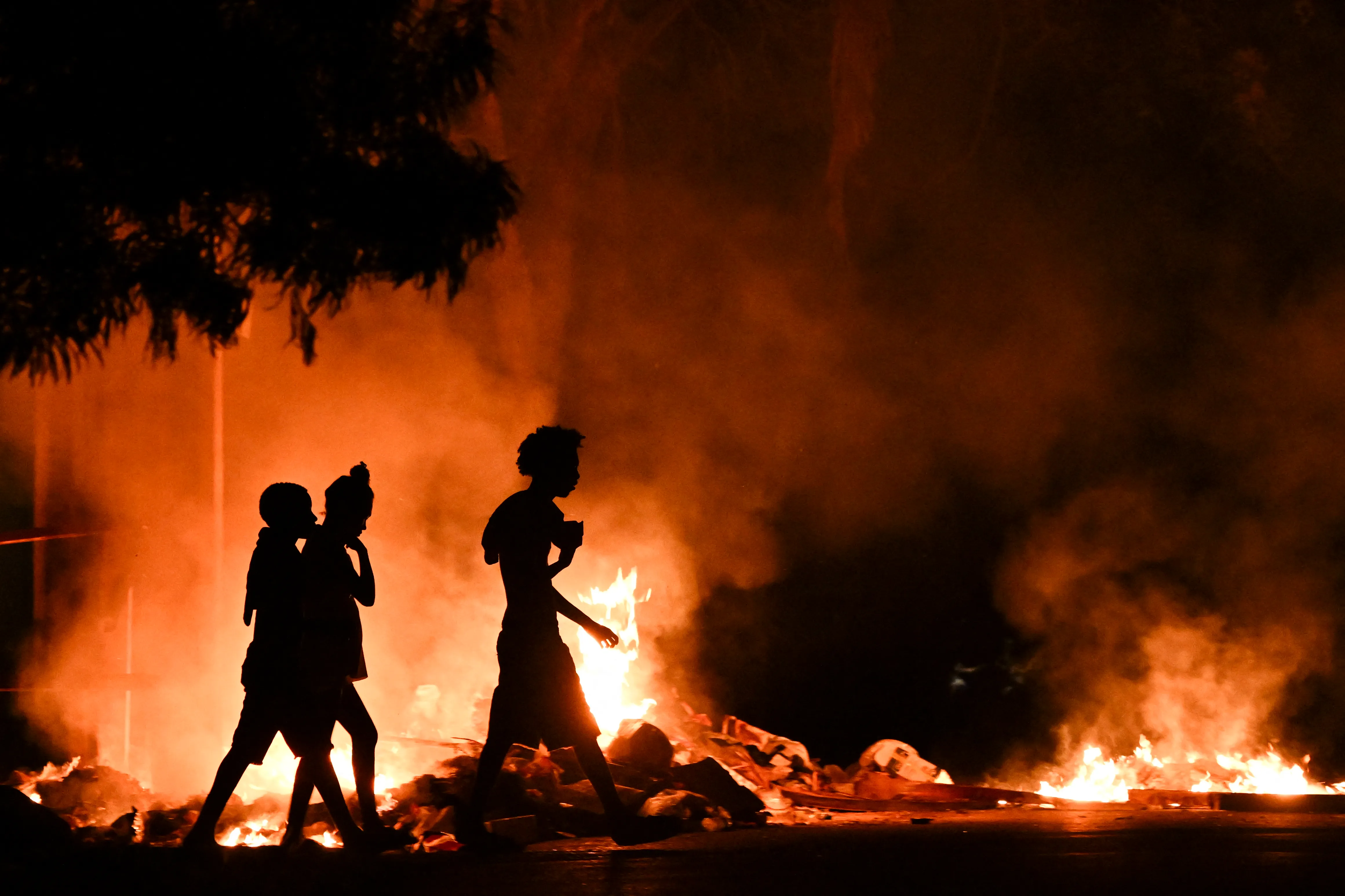
Cuba’s national electricity grid collapsed on Sunday, plunging the island's approximately 10 million residents into darkness. The outage follows three nationwide blackouts in July and is attributed to a combination of an aging power infrastructure and a long-standing US oil blockade that restricts fuel deliveries for power stations.
The state-run UNE reported a “total disconnection” of the national electricity system, with residents in Havana audibly reacting to the sudden loss of power. The grid failure occurred after a weekend of intermittent outages, highlighting the ongoing instability of Cuba’s energy supply. Sources consistently cite the age and disrepair of the country's electrical equipment as a key contributing factor.
The US-imposed oil blockade is repeatedly identified as exacerbating the problem by limiting access to necessary fuel for power generation. The independent_uk specifically notes this blockade cripples the island’s already fragile energy infrastructure, while Al Jazeera points to US-imposed fuel shortages as a direct cause of the grid collapse. No right-leaning sources are present in this coverage cluster.
The repeated failures raise questions about Cuba's ability to maintain consistent power supply without significant infrastructural investment and reliable access to fuel. While immediate solutions remain unclear, the situation underscores the vulnerability of the island’s energy system and its dependence on external factors.
We don't rate truth. We strip the spin and show you which perspectives covered the story. You decide.
Read the original coverage
💬 Comments
📜 Comment Policy