Cuba Faces Sixth Nationwide Blackout This Year Amid US Energy Restrictions
AI-synthesized · Bias removed · Facts only
3 sources: 1 left · 1 center · 1 right
Facts are sacred. Opinion is labelled.
Image: Washington Times
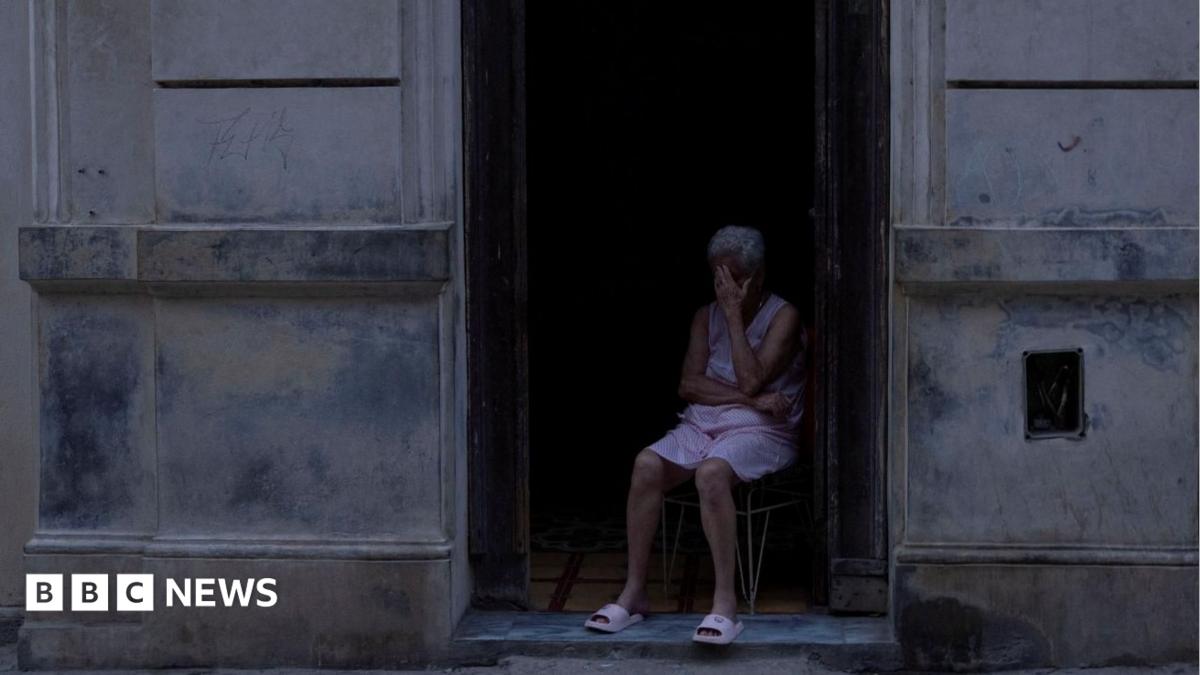
Cuba’s power grid collapsed on Friday, leaving millions without electricity for the sixth time this year. The outage, which began with a transmission failure in the western part of the island and subsequently disconnected the eastern section, has exacerbated an ongoing energy crisis gripping the nation. Cuban authorities report restoring power to 5% of users in Havana and establishing small-scale power distribution in several provinces, while reactivating systems for emergency facilities. The blackouts have become increasingly frequent over the past two years, worsened since January by US restrictions on fuel imports aimed at influencing Cuba’s political system. The restrictions, initiated under the Trump administration, limit Cuba’s ability to acquire fuel for its thermoelectric plants and replacement parts for aging infrastructure. Just one fuel tanker arrived since January, delivered by Russia in March. Residents describe enduring prolonged outages, with some reporting over 30 consecutive hours without power even when the national grid is functioning. The Cuban ambassador to the United Nations, Ernesto Soberón Guzman, has characterized the outages as a “collective punishment.” While the US attributes the crisis to internal mismanagement, Cuba blames the US embargo and sanctions. Venezuela previously supplied around half of Cuba’s oil needs, but those shipments were curtailed following US actions. A seventh major blackout occurred this year, according to France24.
Where they differ
- BBC and France24 emphasized the age of Cuba's thermoelectric plants as a contributing factor, while CBS News and the Washington Times focused primarily on the impact of US sanctions.
- CBS News included a direct quote from the Cuban ambassador calling the outages 'collective punishment,' a framing not present in other reports.
- The Washington Times, a right-leaning outlet, presented the situation with minimal contextual detail, focusing solely on the blackout and the Trump administration’s actions.
- BBC highlighted resident accounts of increasingly frequent outages, while other sources provided more generalized descriptions of the impact.
What is not yet known
- The long-term impact of the fuel shortages on Cuba’s infrastructure remains unclear.
- The extent to which the Cuban government is attempting to address the infrastructure issues independently of fuel imports is not detailed in the sources.
Background
- Cuba has experienced multiple nationwide blackouts this year, with at least seven major outages occurring since January [Fact Refinery, 2026-08-03].
- These blackouts are attributed to a combination of aging infrastructure and restrictions on fuel imports, particularly from the United States [Fact Refinery, 2026-07-06].
- US restrictions on fuel imports to Cuba were initiated under the Trump administration, limiting the country’s ability to acquire fuel for power plants and replacement parts [Fact Refinery, 2026-07-15].
- Venezuela previously supplied approximately half of Cuba’s oil needs, but those shipments have decreased following US actions [Fact Refinery, 2026-08-03].
Our reading
Our reading is that Cuba is facing a severe and worsening energy crisis, the result of a confluence of long-term infrastructural issues and recent external pressures. While the US attributes the problem to internal mismanagement, the consistent reporting on fuel shortages and the historical context of the US embargo suggest that external factors are significantly exacerbating the situation. The differing emphasis between outlets, some focusing on infrastructure, others on sanctions, highlights the contested nature of the crisis’s causes.
What to watch
- Confirmation of whether Russia continues to be a consistent fuel supplier to Cuba, and the volume of any future shipments [shipping manifests, Reuters].
- Any changes to US policy regarding fuel imports to Cuba, including potential easing or tightening of restrictions [US State Department press releases].
- The timeline for any significant infrastructural investment in Cuba’s power grid, and the source of funding for such projects [Cuban government announcements, UNE reports].
💬 Comments
📜 Comment Policy