Cornell Bans Fraternity Parties Amid Sexual Assault Allegations and Investigation
AI-synthesized · Bias removed · Facts only
3 sources: 3 left · 0 center · 0 right
Facts are sacred. Opinion is labelled.
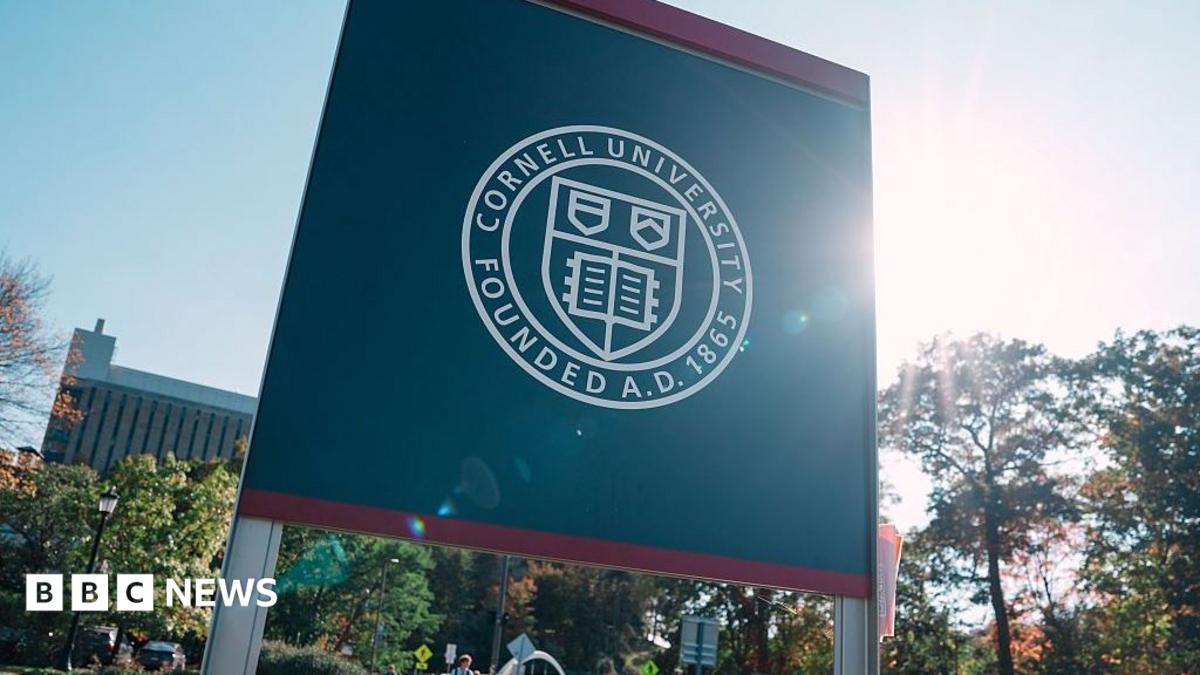
Image: Bbc Us
Cornell University has suspended all parties and social events at fraternity houses for the remainder of the academic year following a lawsuit alleging a sexual assault at a Chi Phi fraternity house in October 2024. The former student, identified as Jane Doe, alleges she was sexually assaulted and drugged, and her lawsuit has prompted scrutiny of the university’s and local authorities’ handling of the case. Cornell President Michael Kotlikoff announced the suspension Tuesday, alongside plans to increase support for survivors of sexual assault and collaborate with New York State Police for trauma-informed investigations. The Tompkins County District Attorney’s office initially received limited information from Cornell’s investigation, leading to no criminal charges being filed. New York Governor Kathy Hochul has appointed Attorney General Letitia James to oversee the case, and former Acting U.S. Attorney General Sally Yates will conduct an independent review of Cornell’s response to sexual misconduct. Two members of Chi Phi were expelled after an internal investigation, while others faced lesser disciplinary actions.
Doe’s lawyer stated the steps taken by Cornell are too late to protect her, as she has since dropped out of school. The university will add a case manager to its Office of Civil Rights and allow state police to investigate allegations, independent of campus police. Kotlikoff expressed regret for the harm suffered by Jane Doe and acknowledged the need for systemic change to ensure campus safety. The suspension carries a “zero tolerance” policy, with any violations resulting in immediate emergency suspension of the chapter involved.
Where they differ
- The Washington Examiner emphasized the timeline of Jane Doe’s allegations and the subsequent investigations, while other sources focused more broadly on the university’s response.
- NBC News and the Guardian both highlighted the criticism of the initial handling of the case by the district attorney’s office, while the BBC and Washington Examiner focused more on the university’s new measures.
- The Guardian noted the suspension is in effect through the spring of 2027, while other sources stated the remainder of the academic year.
- The New York Times provided the most concise reporting, focusing solely on the changes to campus life without detailing the specifics of the allegations or investigations.
What is not yet known
- The extent to which the New York State Police investigation will differ from previous investigations remains unclear.
- Whether the Attorney General’s investigation will lead to criminal charges is still pending.
- The full details of the internal disciplinary actions taken against the accused students beyond the two expulsions are not fully reported.
Background
- Cornell University is an Ivy League research university in Ithaca, New York [background knowledge].
- In October 2024, a former Cornell student, Jane Doe, alleged she was sexually assaulted and drugged at a Chi Phi fraternity house [Fact Refinery, 2026-10-06].
- Initial investigations by both Cornell University and the Tompkins County District Attorney’s office did not result in criminal charges [Fact Refinery, 2026-10-06].
- Sally Q. Yates was appointed to conduct an independent review of Cornell’s handling of sexual misconduct cases on campus [Fact Refinery, 2026-10-06].
- New York Governor Kathy Hochul appointed Attorney General Letitia James as a special prosecutor in the case, citing a lack of faith in the initial handling by the District Attorney [Fact Refinery, 2026-10-06].
Our reading
Our reading is that Cornell University is attempting to address significant criticism regarding its handling of a sexual assault allegation, but the steps taken are viewed as belated by the alleged victim. The university’s response appears to be a multi-pronged effort involving internal disciplinary action, a broadened investigation scope, and increased collaboration with external authorities. The differing emphasis in media coverage suggests a debate over whether the university’s actions are sufficient given the timeline and severity of the allegations.
What to watch
- The findings of Sally Yates’ independent review of Cornell’s response to sexual misconduct, and any resulting policy changes [Fact Refinery, 2026-10-06].
- Whether the New York State Police investigation, overseen by Attorney General Letitia James, leads to any criminal charges [Fact Refinery, 2026-10-06].
- Any reports detailing the full extent of the internal disciplinary actions taken against students beyond the two expulsions [article: What is not yet known].
💬 Comments
📜 Comment Policy