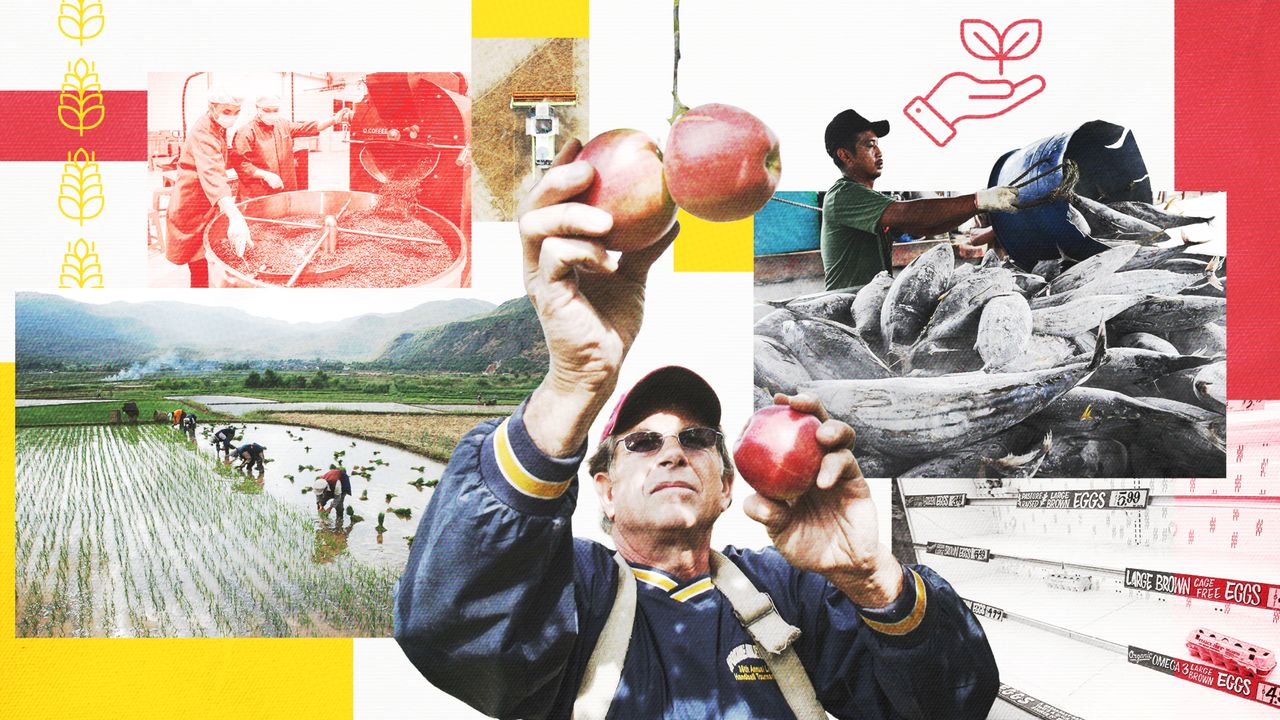
Climate change and extreme weather events are significantly impacting food production and nutritional value, with potentially severe consequences for global food security. A recent Colorado wheat harvest exemplifies the growing challenges facing agriculture.
The 2026 winter wheat crop in Colorado was the smallest since 1965, with 73% of crops rated in poor or very poor condition after a period of fluctuating temperatures – a cold snap followed by temperatures nearing 90 degrees Fahrenheit (32.2 Celsius). This experience mirrors a broader trend of extreme weather disrupting crop yields worldwide. Experts warn that the impacts extend beyond quantity to the quality of food.
According to Andrew Hultgren, an environmental economist at the University of Illinois, Urbana-Champaign, “There are real food security and nutrition concerns,” particularly in a high-warming future. Rising levels of carbon dioxide in the atmosphere are altering plant biology, leading to deficiencies in essential micronutrients like zinc, protein, magnesium, and iron. While crops have already become less nutritious since the 1950s due to breeding practices prioritizing yield, increased carbon dioxide levels will worsen this decline.
The global monthly average concentration of carbon dioxide is currently over 420 parts per million (ppm), exceeding the preindustrial average of 280 ppm. Projections estimate levels will reach at least 550 ppm by the end of the century, potentially leading to an additional 175 million people with zinc deficiencies and 122 million with protein deficiencies by 2050, as a 2018 study found. Zinc deficiency can impact immune and skin health and hinder childhood growth, while protein deficiency can also cause stunted growth.
Read the original coverage
💬 Comments
📜 Comment Policy