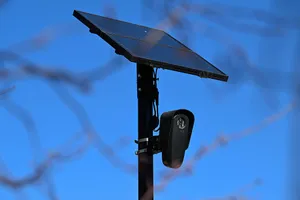
Communities across the United States are taking an unusual approach to address concerns about surveillance technology. Flock safety cameras, which are designed to monitor neighborhoods and capture license plate data, have become the target of a low-tech solution: trash bags.
Public backlash against these surveillance cameras has prompted some cities to take action. Rather than engaging in lengthy policy debates or legal challenges, local officials are simply covering the cameras with trash bags to prevent them from recording. This approach stops Flock from watching residents in affected areas.
The controversy highlights the growing tension between public safety initiatives and privacy concerns. Flock cameras have been deployed in numerous communities, but their presence has sparked debates about surveillance, data collection, and civil liberties. Critics argue that the cameras create an unacceptable level of monitoring, while supporters maintain they serve as valuable crime-fighting tools.
The trash-bag method represents a direct, immediate response to citizen complaints about being watched. Rather than waiting for legislative action or contract negotiations to run their course, cities are opting for this straightforward physical intervention. The approach demonstrates how some municipalities are prioritizing resident concerns over the continued operation of surveillance infrastructure.
This development underscores the ongoing national conversation about surveillance technology and its role in public spaces. As more communities question the balance between security and privacy, unconventional solutions like covering cameras with trash bags may continue to emerge as temporary fixes while longer-term policies are debated.
We don't rate truth. We strip the spin and show you which perspectives covered the story. You decide.
Read the original coverage
💬 Comments
📜 Comment Policy