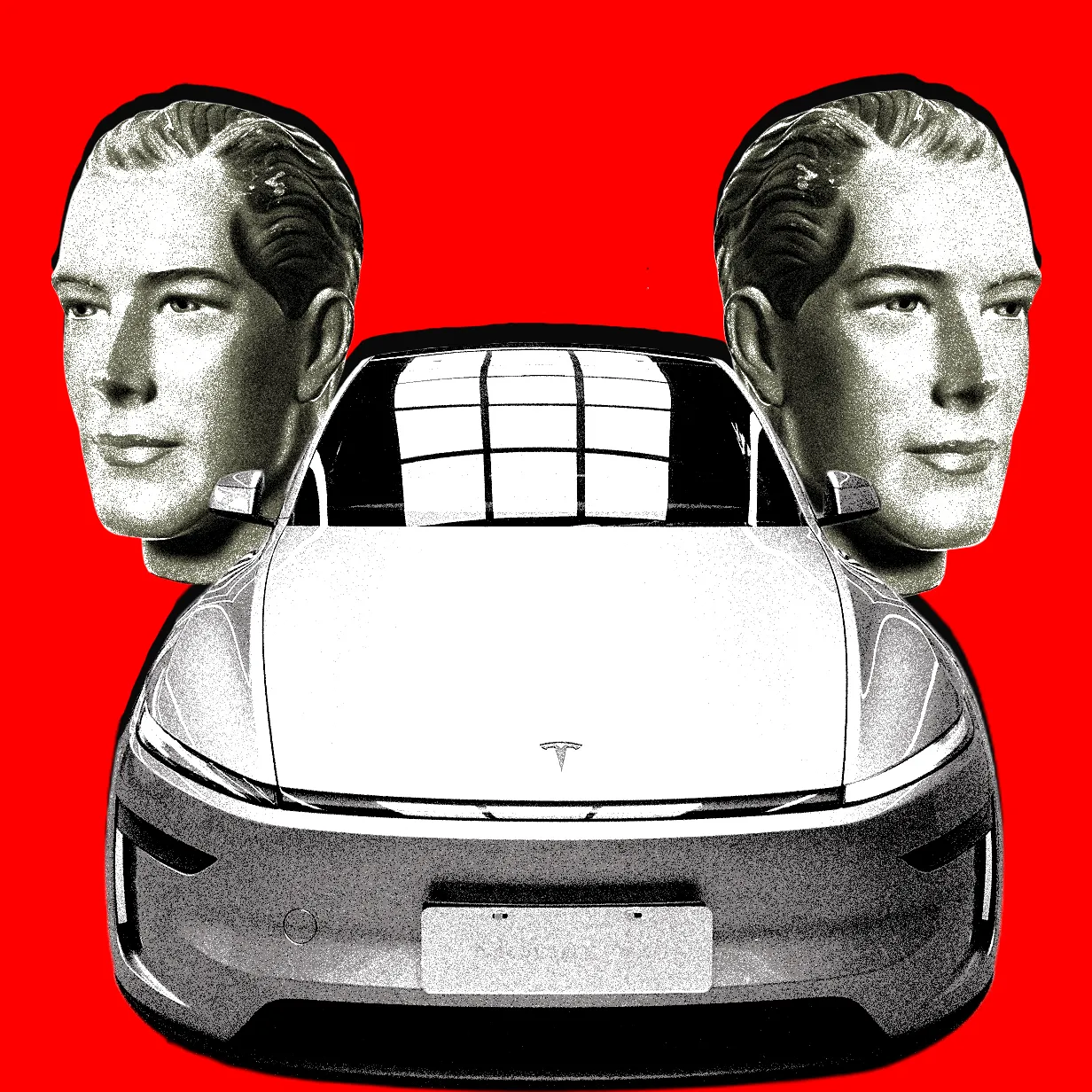
A growing cottage industry in China is enabling drivers to circumvent Tesla’s distracted-driving safeguards through the use of small, artificial heads and other DIY gadgets. This trend highlights a significant loophole in the electric vehicle manufacturer's safety protocols, allowing users to engage autopilot features without maintaining the required physical presence or attention levels.
Tesla has implemented various measures to ensure drivers remain attentive while using its Autopilot system. These safeguards typically require the driver to keep their hands on the steering wheel or periodically interact with the controls. However, a market has emerged where consumers purchase miniature figurines, often resembling celebrities, which are placed on the steering wheel to trick the car's sensors into believing a human is present.
In addition to static figurines, some users have turned to blinking screens and other electronic devices mounted on the dashboard or steering column. These gadgets mimic the subtle movements and weight distribution of a real driver, effectively fooling the vehicle’s monitoring systems. The ease of access to these tools has led to their widespread adoption among drivers seeking to relax or multitask while the car handles navigation.
The proliferation of these bypass methods raises serious safety concerns. Tesla’s Autopilot, while advanced, is not fully autonomous and requires constant driver supervision. By using artificial heads or screens, individuals are disabling critical safety features designed to prevent accidents caused by inattention. This practice undermines the intended function of the technology and places both the driver and other road users at risk.
Despite Tesla’s efforts to update its software and tighten detection algorithms, the adaptability of these DIY solutions continues to challenge the company’s safety framework. The existence of this black market for cheating devices illustrates the ongoing cat-and-mouse game between automakers implementing safety restrictions and consumers seeking to bypass them for convenience or entertainment.
This phenomenon is not limited to China, but it has become particularly visible there due to the scale of Tesla’s market presence and the availability of online platforms selling these countermeasures. As technology evolves, so do the methods used to subvert it, leaving regulators and manufacturers to grapple with the implications of such widespread non-compliance.
We don't rate truth. We strip the spin and show you which perspectives covered the story. You decide.
Read the original coverage
💬 Comments
📜 Comment Policy