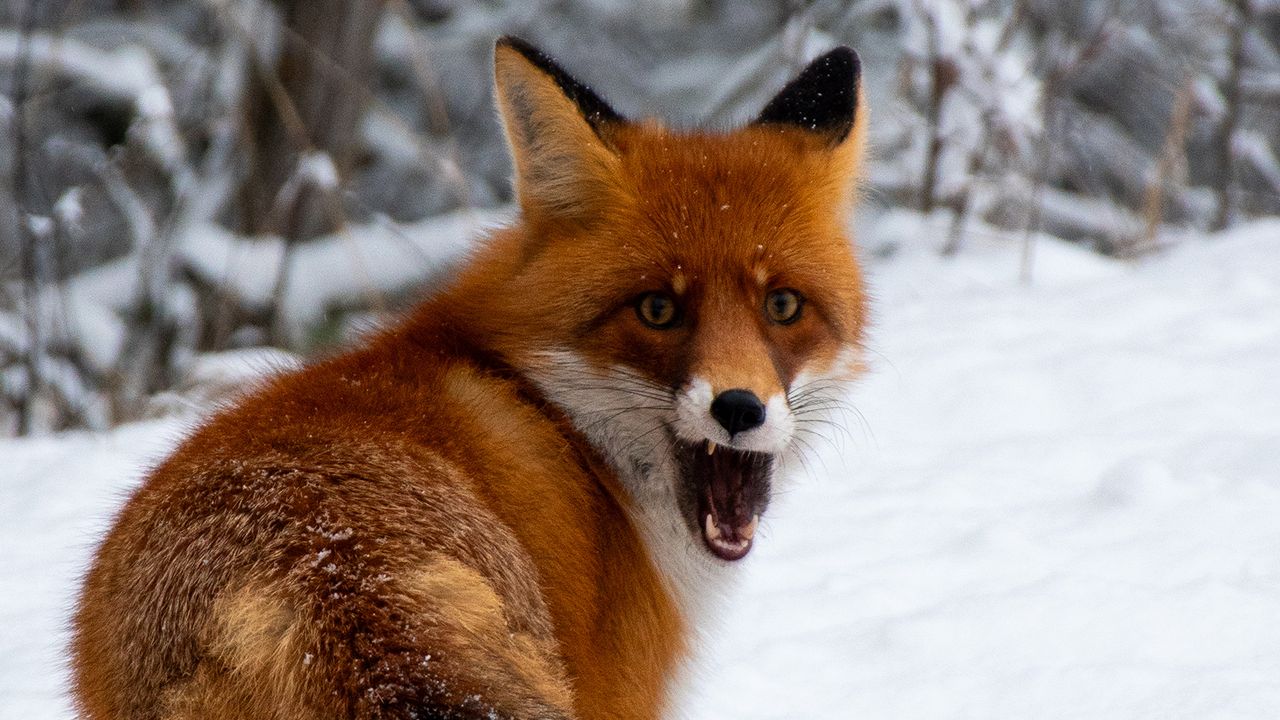
Recent footage captured by camera traps within Ukraine's Chernobyl Exclusion Zone has revealed significant changes in the behavior of local wildlife during the recent military conflict. The data indicates that mammals in the region altered their activity patterns, becoming notably less active, particularly during nighttime hours, while Russian forces occupied the area.
This observation highlights the immediate and tangible impact of the war on the natural environment. The Chernobyl Exclusion Zone, an area long known for its unique ecosystem thriving in the absence of human presence, has now become a subject of study regarding how armed conflict affects animal behavior. The camera trap data provides empirical evidence that the disturbance caused by military operations disrupted the normal circadian rhythms and activity levels of various mammal species.
The findings underscore the broader ecological consequences of the invasion. While the exclusion zone is typically characterized by wildlife adapting to low human interference, the introduction of heavy military presence created a different set of stressors for the animals. The reduction in nocturnal activity suggests that the mammals were attempting to avoid detection or were otherwise stressed by the proximity of troops and equipment.
These insights are critical for understanding the full scope of the war's impact beyond human casualties and infrastructure damage. By monitoring wildlife, researchers can gain a clearer picture of environmental health and stability in conflict zones. The shift in behavior serves as an indicator of ecological disturbance, offering valuable data for future conservation efforts and post-conflict recovery planning.
The study relies on direct observational data from the camera traps, which recorded the animals' responses to the occupation. This method allows for continuous monitoring without further disturbing the wildlife, providing a reliable record of behavioral changes over time. The results confirm that even in areas designated as restricted or abandoned, military activities can profoundly influence local fauna.
As the situation in the region evolves, continued monitoring will be essential to determine if these behavioral changes are temporary or have long-term effects on the population dynamics within the Chernobyl Exclusion Zone. The data collected thus far provides a baseline for understanding how wildlife copes with the pressures of war.
We don't rate truth. We strip the spin and show you which perspectives covered the story. You decide.
Read the original coverage
💬 Comments
📜 Comment Policy