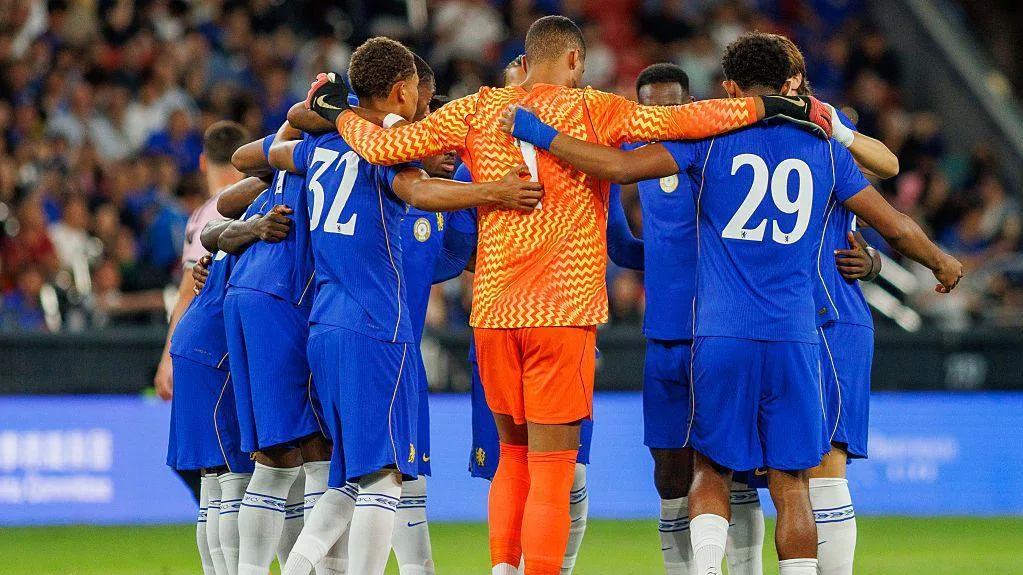
Chelsea Football Club has engaged in the practice of acquiring and loaning players for more than ten years, a strategy that began under former owner Roman Abramovich. The club's approach was curtailed by FIFA regulations limiting loans but continues to yield financial benefits through player sales.
Chelsea’s history of stockpiling players extends back to the ownership of Roman Abramovich. At one point, the club had as many as 42 players on loan simultaneously before FIFA introduced limits designed to curb the practice. This strategy wasn't merely about squad depth; it was a financial maneuver.
A prime example is midfielder Andrey Santos, who Chelsea signed for £12 million after playing in Brazil’s second division. The club later sold Santos to Manchester United for a significantly higher fee of £50 million. This demonstrates how the initial investment, even in relatively unknown players, can generate substantial profit through resale.
The practice highlights a business model where Chelsea acquires talent, develops it (often while on loan), and then sells players at an increased value. While FIFA regulations have attempted to limit the number of loans, the underlying strategy of player acquisition for future financial gain remains evident.
We don't rate truth. We strip the spin and show you which perspectives covered the story. You decide.
Read the original coverage
💬 Comments
📜 Comment Policy