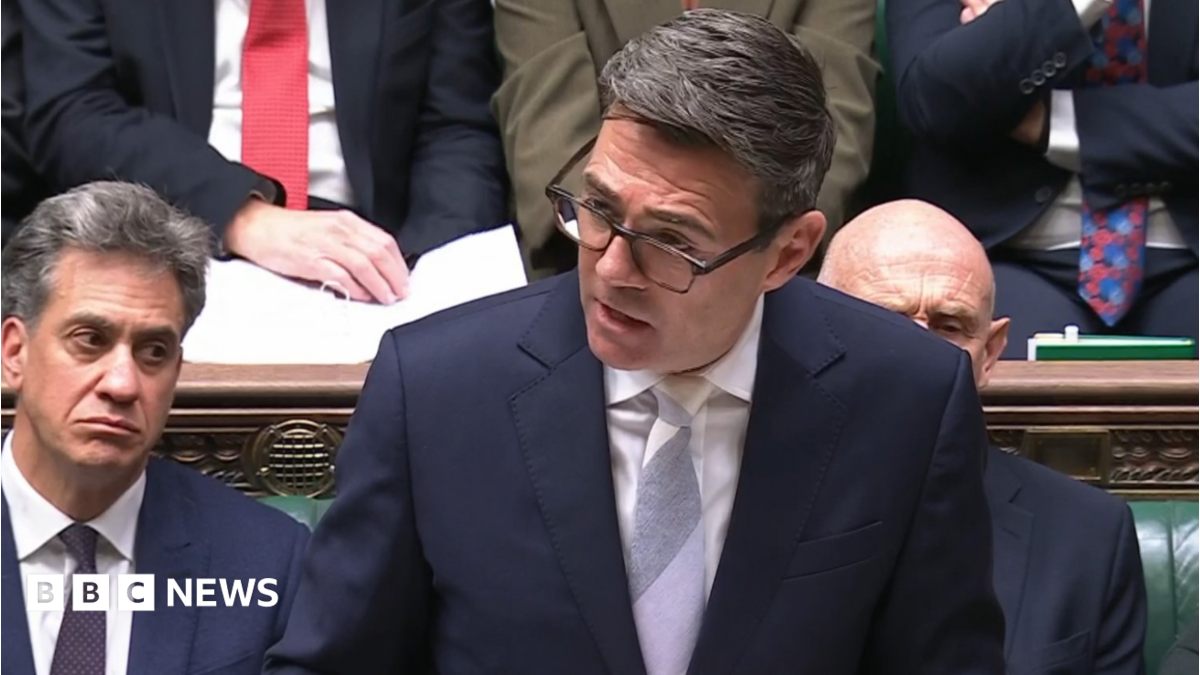
Prime Minister Andy Burnham has announced plans to pursue new post-Brexit deals with the EU, focusing on areas like youth mobility, food and drink, and energy, with the aim of adding £10 billion per year to the UK economy by 2040. Burnham told MPs he will push for these agreements at a summit next month, while also cautioning that the EU’s “Made In Europe” plans could pose a risk to UK manufacturing. He is currently in talks to secure an arrangement that mitigates potential impacts. The Prime Minister emphasized that Labour’s existing red lines, no return to the single market, customs union, or freedom of movement, will remain in place until the next election, though he did not rule out a new manifesto potentially revisiting those commitments.
Burnham’s initiative comes after a 2025 post-Brexit deal secured continued access to UK waters for EU fishing boats until 2038, in exchange for reduced checks on food exports to the EU, allowing raw burgers and sausages to be sold back into the EU for the first time since Brexit. The withdrawal agreement in 2020 established the UK’s “divorce bill” and allowed for divergence in regulations, but this divergence has created issues for UK food exports. Conservative leader Kemi Badenoch criticized Burnham’s approach, stating he was “unpicking” the existing EU deal.
Burnham also addressed the issue of potential Russian interference in the 2016 Brexit referendum, clarifying to MPs that he hadn’t implied the Kremlin had successfully influenced the result. He indicated that economic growth and cooperation on illegal immigration will be central to arguments for a closer relationship with the EU, both at the upcoming summit and beyond.
Our reading is that Prime Minister Burnham is attempting a pragmatic recalibration of the UK’s relationship with the EU, acknowledging the economic downsides of Brexit while remaining constrained by existing Labour Party policy. The pursuit of new deals in specific areas suggests a cautious approach, prioritizing incremental improvements rather than a full return to previous arrangements. The acknowledgement of potential risks to UK manufacturing from EU policies indicates an awareness of the complexities involved and a willingness to negotiate protections.
Read the original coverage
💬 Comments
📜 Comment Policy