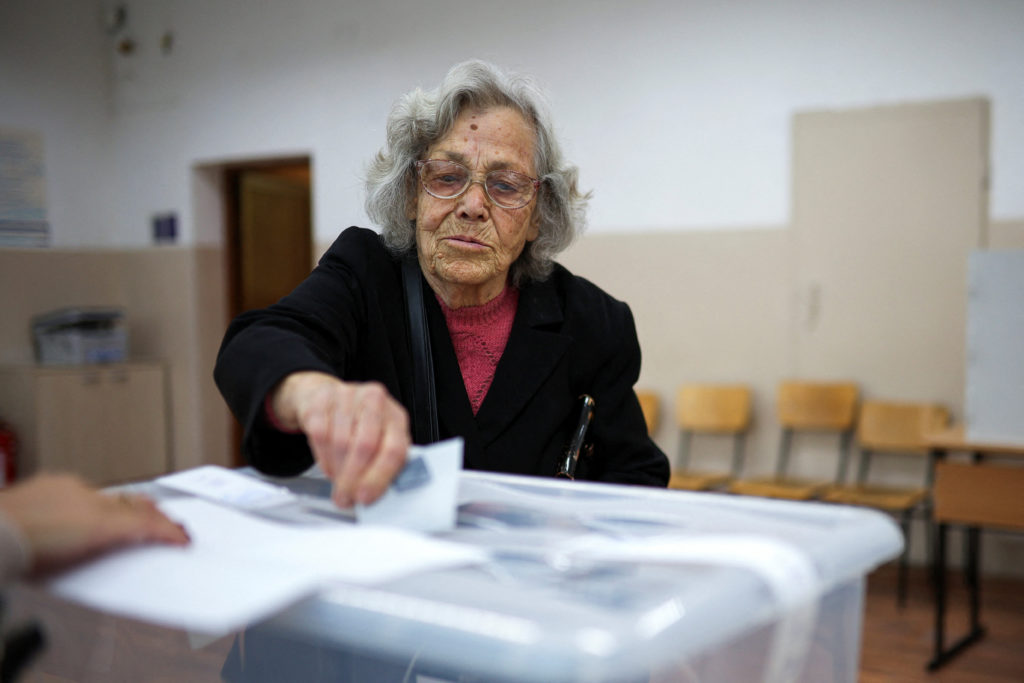
Bulgaria will hold a presidential runoff election on November 1 after Sunday’s vote concluded without a clear winner. Pro-Western reformist Andrey Gyurov will face incumbent leftist President Iliana Yotova, setting up a contest defined by differing visions for the country’s international relationships. The election saw a record low turnout, which observers attribute to widespread mistrust in politicians and resulting voter apathy.
The unexpectedly strong performance of Andrey Gyurov contrasts with the current political landscape, as this vote represents the first major test for the Moscow-friendly Progressive Bulgaria party of Prime Minister Rumen Radev following its parliamentary election success in April. The vote occurred against a backdrop of growing economic hardship and reported drone attacks on Black Sea shipping. The division between Gyurov and Yotova signals clear lines regarding Bulgaria’s future relationships with other nations, though the specifics of those relationships remain to be seen. The low turnout raises questions about the level of public engagement with the political process and the extent to which the outcome of the runoff will reflect the will of the Bulgarian people.
Our reading is that the unexpectedly strong showing of Andrey Gyurov, coupled with the record low turnout, suggests a significant degree of dissatisfaction with the current political establishment in Bulgaria. The contrast between Gyurov’s pro-Western stance and the incumbent’s perceived alignment with Moscow highlights a clear ideological divide within the country. The low participation rate raises doubts about whether the runoff election will accurately represent the preferences of the Bulgarian electorate.
Read the original coverage
💬 Comments
📜 Comment Policy