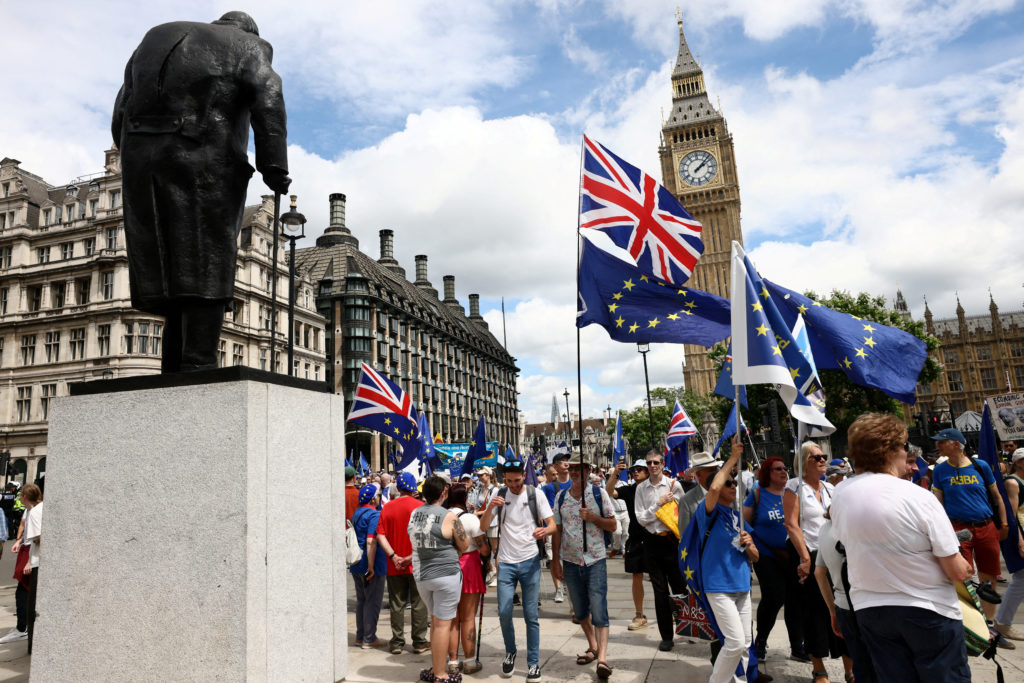
Ten years after the United Kingdom voted to leave the European Union, the legacy of Brexit continues to shape political identities and divide the nation. The referendum result, which occurred on June 23, 2016, marked the end of a half-century project aimed at bringing the UK closer to the continent. The vote led to significant shifts in the country's political landscape, with the decision remaining a central point of contention a decade later.
The outcome of the referendum was determined by a narrow margin, with 52% of voters choosing to leave the EU. This percentage translated to more than 17 million people supporting the exit. Despite the slim majority, the result triggered a dramatic shift in British governance and international relations. The vote is described as having forged political identities that persist to this day, indicating that the referendum's impact extends beyond immediate policy changes to influence long-term voter alignment and party dynamics.
The decision to leave the EU shattered previous efforts to integrate the UK more closely with European neighbors. For fifty years prior to the vote, there was a sustained project focused on getting closer to the continent. The 2016 referendum interrupted this trajectory, leading to a period of uncertainty and reevaluation of the UK's role in global affairs. The narrowness of the margin highlights the deep divisions within the electorate, as nearly half of the voting population supported remaining in the union.
The political fallout from the vote has been extensive, affecting how political parties define themselves and their platforms. The referendum did not merely change trade agreements or border controls; it fundamentally altered the structure of British politics. The enduring nature of this division suggests that Brexit is not just a historical event but an ongoing factor in contemporary governance. Ten years on, the question of how to manage the relationship with the EU remains a critical issue for policymakers and voters alike.
While the immediate aftermath of the vote involved complex negotiations regarding trade, citizenship, and legal frameworks, the long-term legacy is defined by its ability to keep Britain divided. The political identities forged during the campaign continue to influence electoral outcomes and policy debates. The referendum's impact is viewed as a pivotal moment that redefined the UK's relationship with Europe and its internal political cohesion.
As the country approaches the ten-year anniversary, the focus remains on the lasting effects of the decision. The vote did not resolve underlying tensions but rather institutionalized them within the political system. The division between those who supported leaving and those who wished to remain continues to influence public discourse and political strategy. The legacy of Brexit is thus characterized by its persistent ability to divide Britain, serving as a reminder of the deep societal splits exposed by the referendum.
Read the original coverage
💬 Comments
📜 Comment Policy