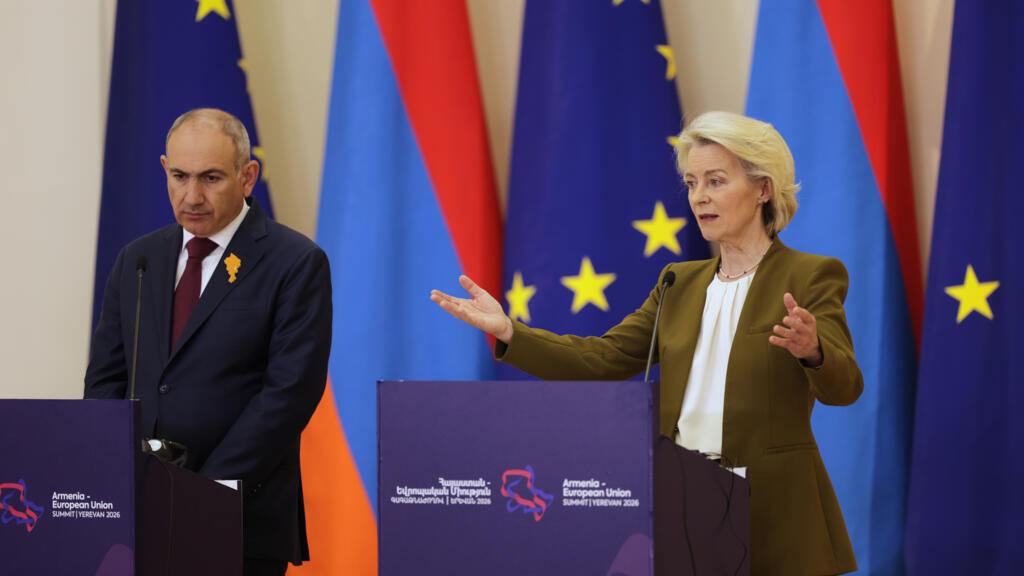
Armenians voted in a parliamentary election on Sunday as Prime Minister Nikol Pashinyan and his governing party sought a mandate for a new geopolitical course for Armenia. The election is being watched closely by both Russia and the West amid shifting regional dynamics in the South Caucasus.
Pashinyan and his party are looking for a strong mandate to pursue a pro-Western course, according to reports. The incumbent government, under what the Washington Times describes as "mounting Russian pressure," is seeking to loosen ties with Moscow and deepen cooperation with the West. This represents a potential shift in Armenia's foreign policy orientation that could reshape the country's international relationships.
The election has drawn international attention due to its geopolitical implications. Russia has historically maintained significant influence in Armenia, but the current government's stated direction suggests a potential realignment away from Moscow's orbit. The vote is being viewed as a test of Pashinyan's pro-Western course, according to RFI, which notes the significance of the election for regional dynamics.
The opposition in this election includes parties that are vocally pro-Russia, NPR reports. This presents Armenian voters with a clear choice between continuing the current government's approach of seeking deeper cooperation with Western nations or returning to a closer alignment with Moscow. The presence of these opposition parties highlights the fundamental question facing Armenian voters about their country's international orientation.
According to RFI, the election results could have implications extending beyond Armenia's domestic politics. The outlet consulted two regional experts about what the outcome could mean for peace with Azerbaijan and broader regional relations. Armenia's relationship with Azerbaijan remains a significant factor in regional stability, and the election outcome may influence ongoing negotiations and diplomatic efforts between the two nations.
The parliamentary election represents a pivotal moment for Armenia's foreign policy direction. With Russia applying pressure, as reported by the Washington Times, and Western nations observing the process closely, the results are expected to shape Armenia's international relationships in the coming years. The election outcome will determine whether Pashinyan's government receives the mandate it seeks to continue its stated geopolitical course.
We don't rate truth. We strip the spin and show you which perspectives covered the story. You decide.
Read the original coverage
💬 Comments
📜 Comment Policy