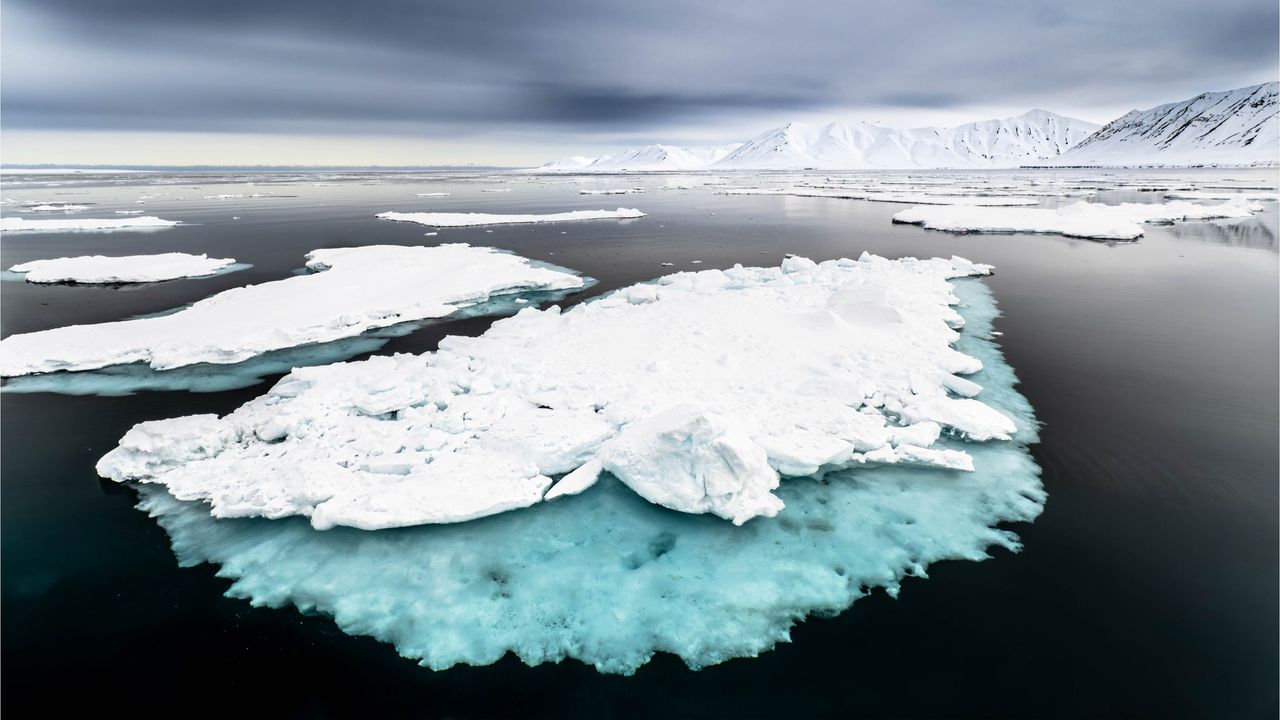
Researchers have confirmed that the Arctic Ocean crossed a biological tipping point in 2009. This significant ecological threshold was identified through monitoring of water chemistry, which revealed that nitrate levels in the water suddenly started dropping at that time. The decline marks a permanent shift in the marine environment rather than a temporary environmental fluctuation.
The primary catalyst for this chemical change is a drastic reduction in sea ice extent across the polar region. As ice cover diminishes, the physical and chemical dynamics of the Arctic Ocean are fundamentally altered. Scientists note that this loss of ice has directly triggered the observed decline in essential water nutrients.
The consequences of this tipping point extend throughout the marine ecosystem. Researchers state that the sudden drop in nitrates is actively destroying the food chain that previously sustained Arctic marine life. The disruption of these foundational nutrient levels threatens the stability of the entire regional biological network.
According to current scientific assessments, the 2009 threshold represents a definitive turning point for polar ecology. With sea ice extent continuing to shrink, the Arctic Ocean remains locked into this new chemical state. Experts emphasize that the ongoing loss of ice cover ensures that the destruction of the marine food chain will persist as long as the tipping point conditions remain in place.
We don't rate truth. We strip the spin and show you which perspectives covered the story. You decide.
Read the original coverage
💬 Comments
📜 Comment Policy