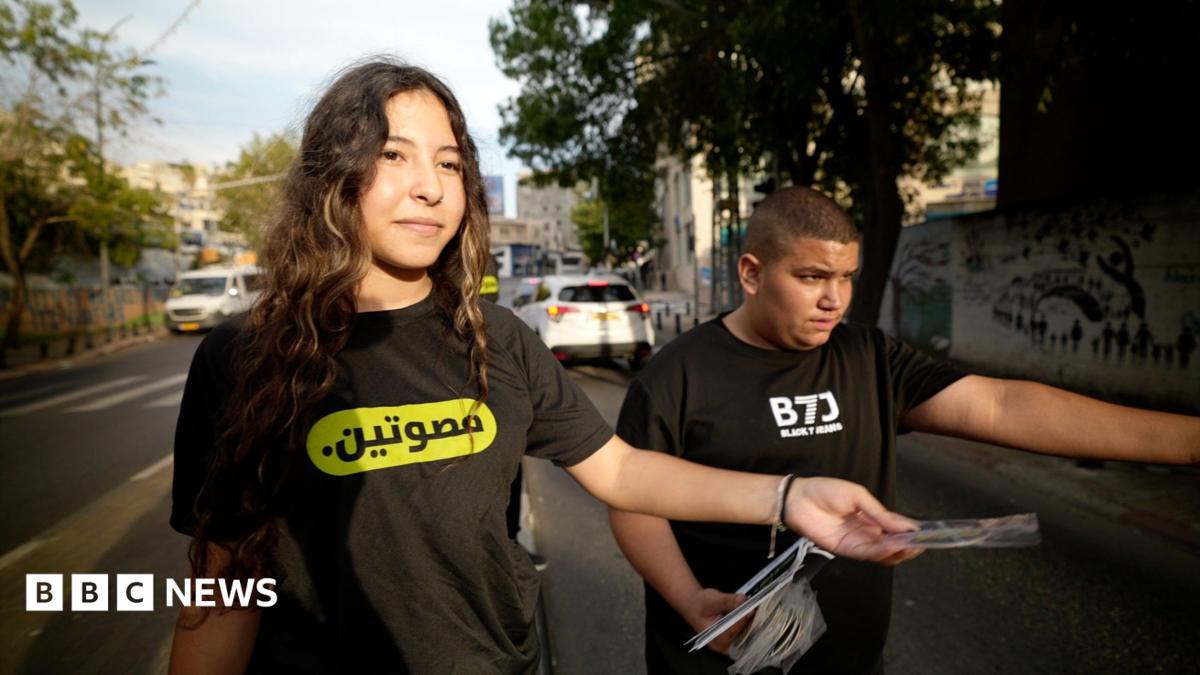
Arab citizens of Israel could play a pivotal role in determining the outcome of next week’s closely contested general election, potentially holding the balance of power between competing blocs. This comes as voter turnout among Arab Israelis, comprising roughly a fifth of the population, is being actively encouraged to oust what many describe as the most right-wing governing coalition in the country’s history. Disaffection has historically suppressed turnout, but this election sees a concerted effort to prevent the continuation of the current alliance led by Prime Minister Benjamin Netanyahu.
Polls indicate neither Netanyahu’s coalition nor the “Change Bloc,” led by Gadi Eisenkot, is likely to secure a parliamentary majority. This could force anti-Netanyahu parties to either reverse pledges against working with the prime minister or negotiate with Arab-majority lists. However, Eisenkot has ruled out forming a government with Arab parties, citing a lack of shared values. The political landscape has been significantly altered by the October 7th Hamas-led assault on Israel and the subsequent war in Gaza, leading to increased mistrust and hostility towards the Arab minority.
Suha Salman Mousa of the Mossawa Centre reports that Arab citizens have faced discrimination, arrests, and job losses due to their views on the Gaza conflict, with civil society groups alleging disproportionate budget cuts for Arab communities. The government defends these reductions as necessary to fund wartime defense spending. There have also been reports of racially motivated attacks on Arab bus drivers and politicized campaigns against Arab physicians. Bezalel Smotrich, the hard-right Finance Minister, has vowed to “Judaise” areas in northern Galilee and southern Negev, regions with large Arab populations, mirroring settlement expansion in the West Bank.
In the town of Kabul, a predominantly Arab area, residents cite crime as their primary concern, with organized crime groups demanding protection money and limited police presence. Campaigners, like those with Betna and the Coalition 2026, are working to increase political representation and address long-standing grievances. While Arab citizens have the right to vote in Israeli elections, turnout has historically lagged behind the national average, with only 54% participating in the 2022 parliamentary elections compared to over 70% nationwide. Voter fatigue and a lack of faith in the system contribute to this lower participation.
Our reading is that this election is poised to be exceptionally tight, with Arab voter turnout potentially acting as a decisive force. The current right-wing coalition faces significant opposition, but the unwillingness of key opposition figures like Eisenkot to cooperate with Arab parties creates a difficult path to power, even with increased participation. The backdrop of heightened tensions and discrimination against Arab citizens suggests a complex dynamic where both political mobilization and deep-seated mistrust are at play.
Read the original coverage
💬 Comments
📜 Comment Policy