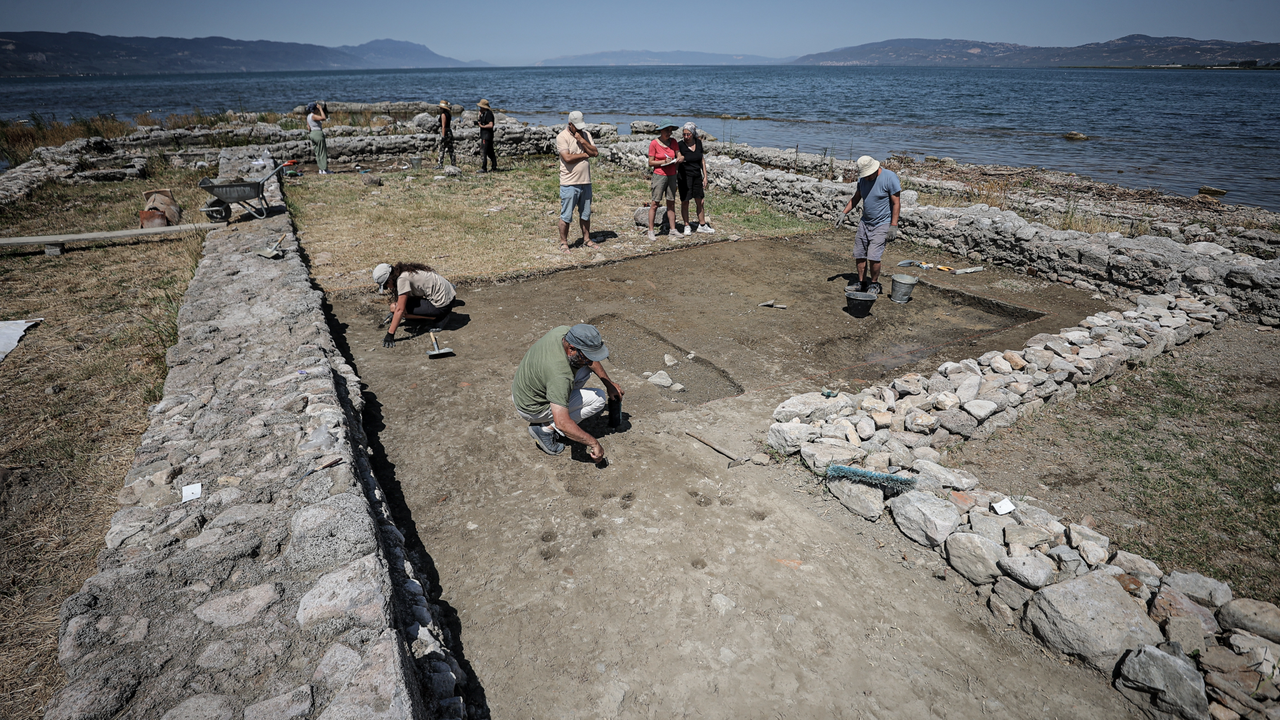
Archaeologists in Turkey have discovered a 1,700-year-old church beneath the foundations of a larger church, sparking debate over whether it was the location of the First Council of Nicaea. The council, convened in 325 AD, was a pivotal moment in Christian history, establishing core beliefs and doctrines. While the excavation team believes their findings support this claim, other scholars remain skeptical.
The newly discovered church was found submerged in Lake İznik in Turkey. The team, led by archaeologists from Istanbul University, believes the smaller church predates the larger one and may have been the site of the First Council of Nicaea. This council, held in 325 AD, was convened by Roman Emperor Constantine I and aimed to unify Christianity by resolving disputes over the nature of Jesus Christ.
According to Live Science, the significance of the First Council of Nicaea lies in its establishment of the Nicene Creed, a foundational statement of Christian belief still recited today. The council addressed the Arian controversy, which questioned the divinity of Jesus. The findings suggest this is where bishops from across the Roman Empire gathered to debate and ultimately define Christian theology.
However, not all experts agree with the assessment. Some scholars not involved in the excavation have expressed doubts about the identification. Live Science reports that these dissenting voices haven’t been publicly named, but they question whether there is enough evidence to definitively link the discovered church to the historical location of the council. The debate highlights the challenges of archaeological interpretation and the need for further research to confirm the site’s historical importance.
We don't rate truth. We strip the spin and show you which perspectives covered the story. You decide.
Read the original coverage
💬 Comments
📜 Comment Policy