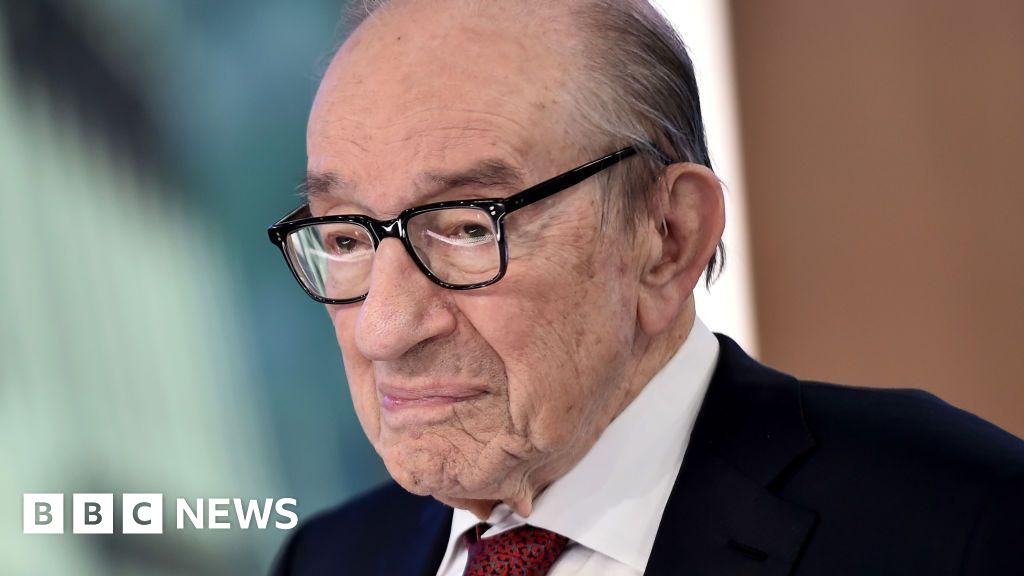
Alan Greenspan, the 13th chairman of the Federal Reserve who served under four U.S. presidents, died at age 100. According to his family, he passed away at their home from complications of Parkinson's disease. As chairman of the Federal Reserve, Greenspan became a high-profile figure in global banking and economic policy.
Greenspan presided over the Federal Reserve for 19 years, serving from 1987 until 2006. During his tenure, he mastered what has been described as "Fedspeak," a style of communication characterized by obfuscation. He was widely regarded as the pre-eminent economic policymaker of his time and was known as a skilled political operator. While in office, he was lionized for his market-friendly stances.
However, Greenspan's legacy has been subject to reassessment following the financial crisis that occurred shortly after his retirement. Critics argue that his policies contributed to the Global Financial Crisis of 2008. When he retired in 2006, he had been hailed as the greatest Federal Reserve chairman; however, he was derided for the severe financial crisis that followed barely two years later. His market-friendly approaches were later associated by some with destructive financial forces.
The report of his death was confirmed by multiple outlets noting his status as a longstanding Federal Reserve chair. His tenure spanned significant economic periods, and his influence on American economic architecture remains a subject of historical record.
Read the original coverage
💬 Comments
📜 Comment Policy