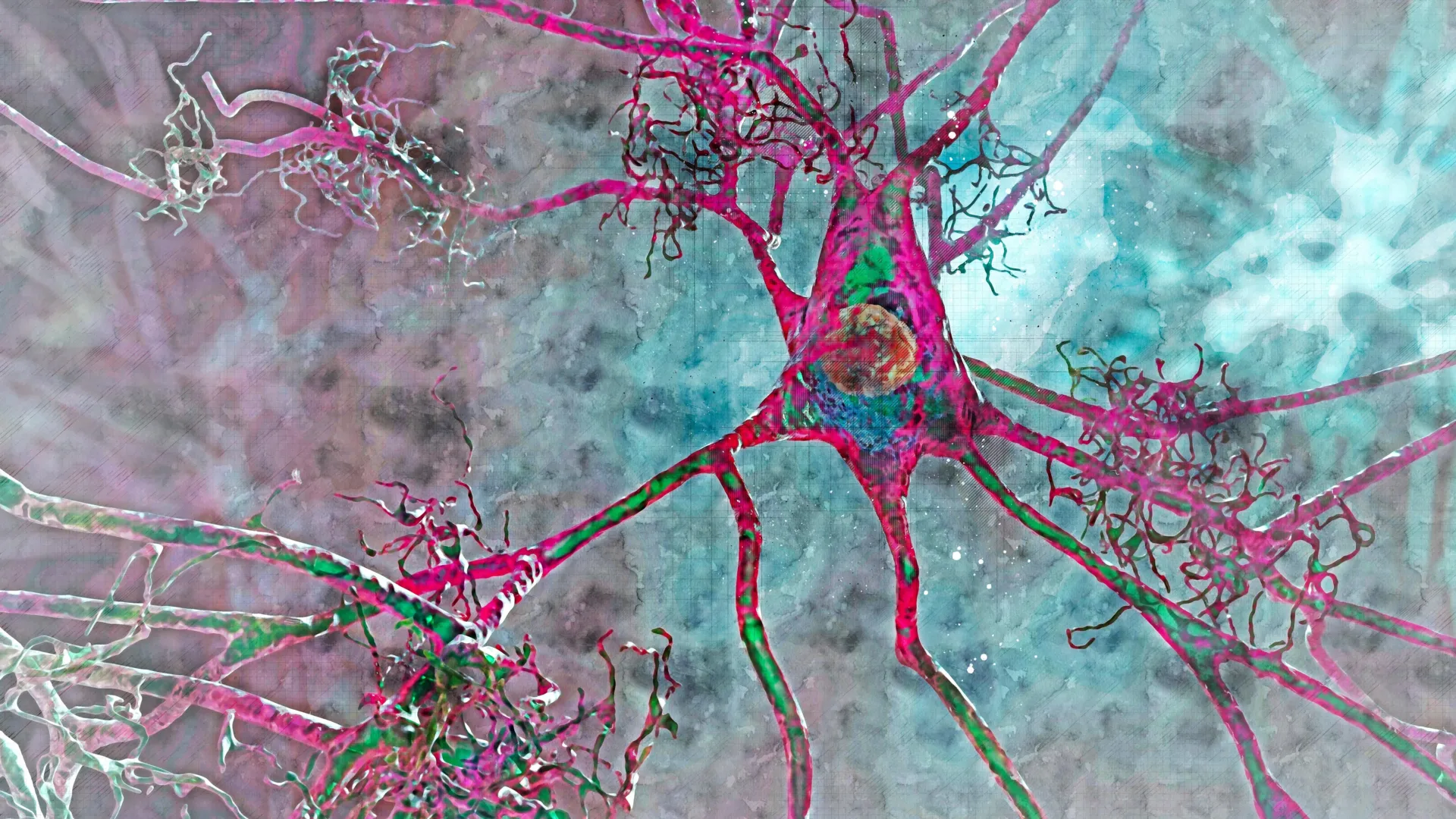
Scientists have pinpointed a molecular process that may explain why the aging brain becomes more susceptible to neurodegenerative diseases like ALS and Huntington’s. Research on worms revealed that the protein EPS8 accumulates with age, initiating signals that cause harmful proteins to clump together, ultimately damaging neurons and reducing lifespan.
The study identified EPS8 as a key component in this process. As worms aged, researchers observed a buildup of the EPS8 protein. This increase triggered signaling pathways which encouraged toxic proteins to aggregate – essentially, clump together. These clumps are known to be detrimental to neuron health and contribute to shorter lifespans.
Researchers found that reducing EPS8 activity effectively prevented these harmful protein aggregates from forming. Importantly, this reduction in EPS8 also preserved nerve function within the worms studied. This suggests a potential link between EPS8 and the development of neurodegenerative diseases associated with aging.
The findings offer insight into *why* aging increases vulnerability to conditions like ALS and Huntington’s disease. By identifying EPS8 as a molecular switch, scientists hope to better understand the mechanisms behind these illnesses and potentially develop strategies for prevention or treatment.
We don't rate truth. We strip the spin and show you which perspectives covered the story. You decide.
Read the original coverage
💬 Comments
📜 Comment Policy