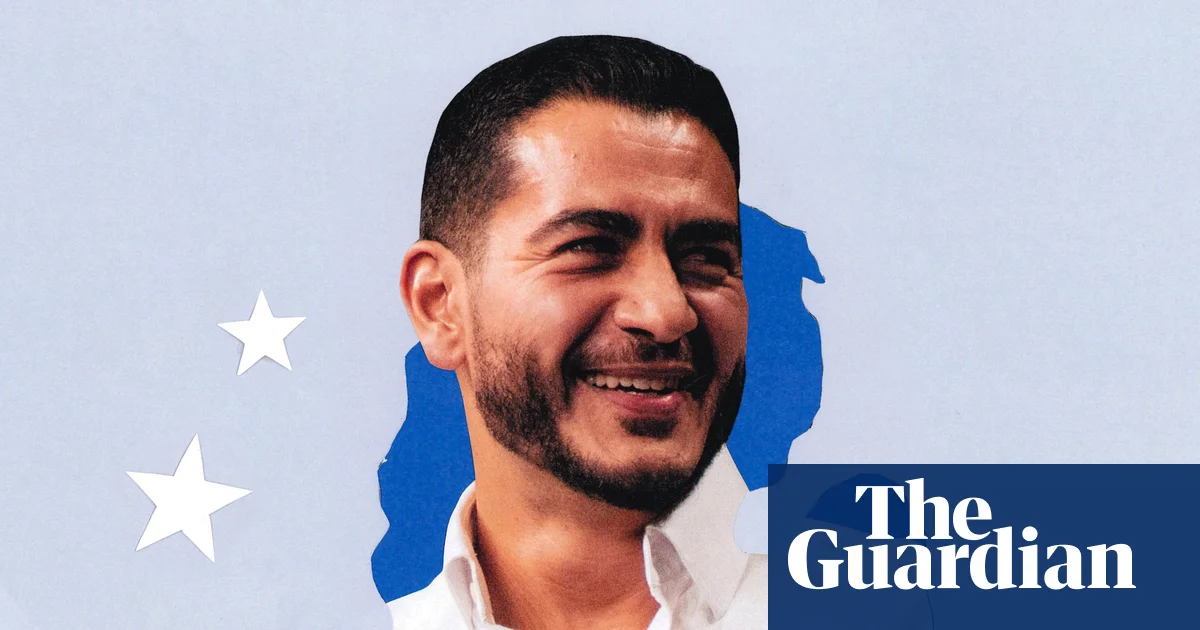
Democrat Abdul El-Sayed has won Michigan’s U.S. Senate race, defeating Republican Mike Rogers and making history as the first Muslim elected to the chamber. His victory secures a Democratic majority in the Senate and follows a campaign marked by intense debate over issues including Israel, healthcare, and El-Sayed’s faith. The race drew over $220 million in ad spending, including $30 million from a pro-Israel group attempting to prevent El-Sayed’s nomination. Rogers, previously defeated in a Senate bid in 2024, ran as a close ally of Donald Trump, who repeatedly attacked El-Sayed, falsely alleging he was a “jihadist” and a member of the Muslim Brotherhood. El-Sayed, a former health official advocating for Medicare for All and an end to U.S. military aid to Israel, overcame a last-minute defection from a primary rival, Haley Stevens, who endorsed Rogers citing concerns over El-Sayed’s positions. The election represents a milestone in American politics and a test of whether a progressive insurgent could win in a swing state. El-Sayed’s victory comes after Gary Peters, the outgoing Democratic senator, held the seat since 2015.
Stevens’ endorsement of Rogers stemmed from disagreements over El-Sayed’s stance on Israel and an ad linking U.S. aid to Israel with rising grocery prices, which she characterized as antisemitic. El-Sayed stated the ad was not created by his campaign and that he disagreed with its contents. Trump escalated his rhetoric in the closing weeks, invoking 9/11 and urging Michiganders to oppose El-Sayed. Rogers attempted to distance himself from the most heated attacks but also accused El-Sayed of ties to the Muslim Brotherhood. El-Sayed responded to the attacks, stating he would be “Sen. Mohamed” to those who used his middle name. He also criticized the focus on divisive issues, arguing that opponents lacked answers to economic concerns.
While El-Sayed’s victory extends a long-running GOP drought in Michigan, Republicans haven’t won a Senate seat there since 1994, the campaign exposed deep divisions within the Democratic party. His win offers Democrats a counterpoint to arguments that progressive candidates are too vulnerable in battleground states. Some Jewish voters accused El-Sayed of antisemitic rhetoric, while he maintained that criticism of the Israeli government should not be equated with hostility toward Jewish people.
Our reading is that El-Sayed’s victory represents a significant shift in Michigan politics, defying expectations given his progressive policies and the state’s recent political leanings. The intense focus on his faith and alleged connections, coupled with the defection of a fellow Democrat, suggests a concerted effort to portray him as an outsider, yet he still prevailed. The substantial ad spending, particularly from pro-Israel groups, underscores the high stakes of this election and the divisions it exposed within both parties.
Read the original coverage
💬 Comments
📜 Comment Policy