5,000-Year-Old Burial in German Kiln Suggests Human Sacrifice
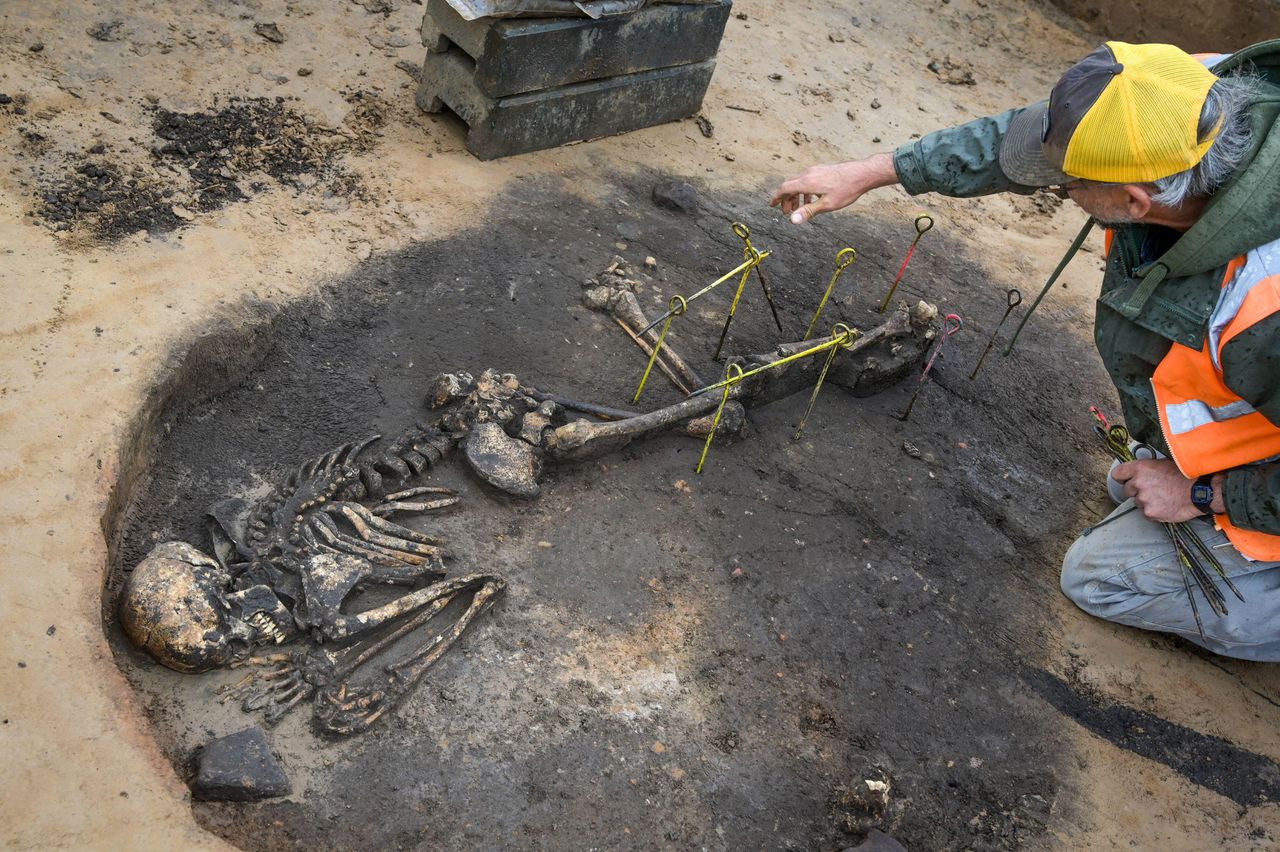
Archaeologists have uncovered a significant historical discovery in Germany involving the remains of a man from the Corded Ware culture. The individual, who lived approximately 5,000 years ago, was found buried in a pit that had previously functioned as a kiln. This unusual burial site has led researchers to propose that the man may have been a human sacrifice.
The skeletal remains belong to an injured male from the Corded Ware culture, a prehistoric European society known for its distinctive pottery and burial practices. The location of the body within a pit formerly used as a kiln is highly irregular compared to typical interments of the era. This specific context has prompted experts to investigate whether the burial was ritualistic in nature.
According to the summary provided by live_science, the primary hypothesis surrounding this find is that the individual may have been sacrificed. The battered condition of his skull supports the theory that he suffered trauma prior to or during death, which aligns with theories of violent ritualistic practices in ancient societies. The combination of the injury and the non-standard burial site provides compelling evidence for this interpretation.
This discovery adds a new layer to the understanding of Corded Ware culture rituals. While many burials from this period follow established patterns, this particular case highlights potential variations in how death and afterlife beliefs were handled. The use of a kiln pit for interment suggests a deliberate choice by the community, possibly intended to convey specific symbolic meanings or to mark the individual's status as an offering.
Researchers continue to analyze the site to determine the full extent of the circumstances surrounding this burial. The findings underscore the complexity of prehistoric social structures and religious practices in Central Europe during the Bronze Age. As more data becomes available, historians may gain further insight into the role of sacrifice within these ancient communities.
💬 Comments
📜 Comment Policy