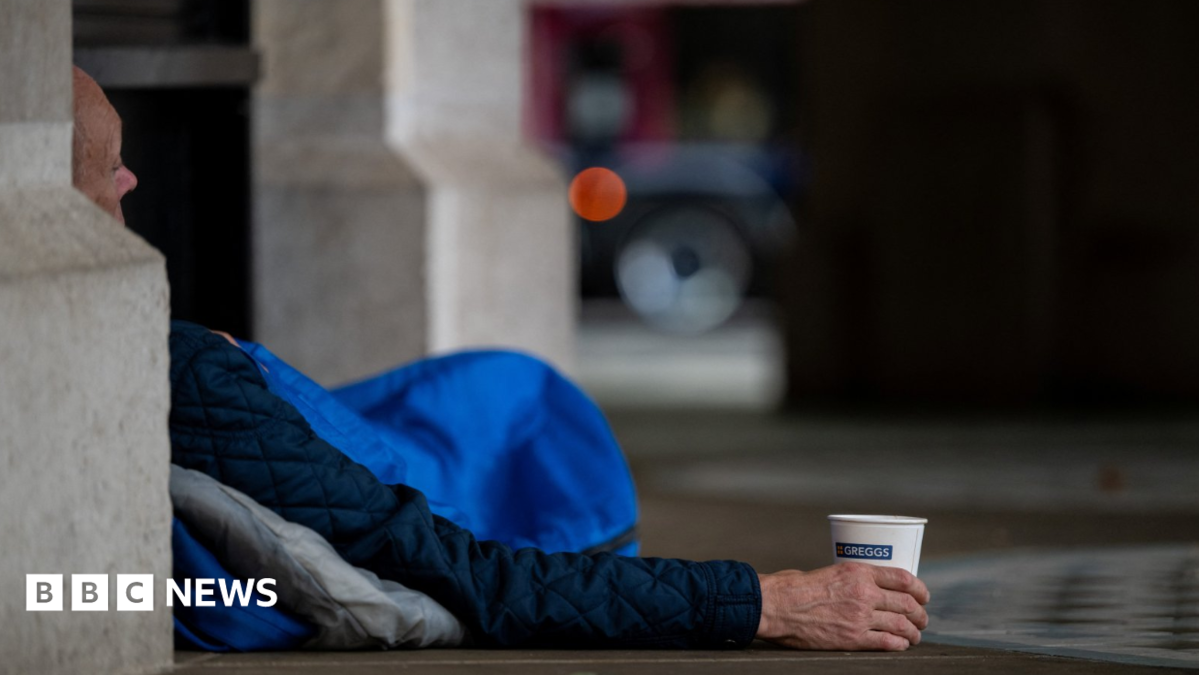
The UK government is doubling funding to £874 million in an effort to ensure every rough sleeper in England is offered accommodation by Christmas, Prime Minister Andy Burnham announced Monday. The initiative, which began with a £442 million package, will now extend support through the end of the current Parliament in 2029. Burnham stated that rough sleeping is a choice governments make to accept or reject, and emphasized the need for collaboration across society to achieve lasting solutions. The National Housing Federation is working to identify at least 2,000 potential homes and bed spaces, with support also pledged from businesses like L’Oréal and Virgin Media O2.
The most recent official figures estimate 4,793 people were sleeping rough on a single night in autumn 2025. While organizations have welcomed the increased funding, questions remain about the type of accommodation available, specifically, how many of the 2,000 identified spaces are self-contained units versus shared spaces. Angela Rayner, the housing secretary, acknowledged the ambition is significant but affirmed the government’s commitment to offering a route off the streets this Christmas.
Shadow housing secretary Katie Lam criticized Burnham, stating rough sleeping reached “record highs under Labour” and questioning his previous efforts to address the issue while Mayor of Greater Manchester. The government’s initial funding has already supported specialist outreach teams and new bed spaces in cities like Coventry, Plymouth, and Camden. Thierry Cheval, the boss of L’Oreal Group UK and Ireland, highlighted the role of beauty in restoring dignity to those rebuilding their lives, while Mairi MacRae, acting chief executive at Shelter, welcomed the funding but urged further action in the upcoming Budget.
Our reading is that the government is attempting to demonstrate a commitment to addressing rough sleeping with a significant financial pledge, framing it as a deliberate policy choice. The emphasis on securing accommodation by Christmas suggests a focus on immediate, visible results, while the extended funding timeline indicates a longer-term ambition. However, the differing reports on where the funding confirmation originated and the lack of clarity regarding the type of accommodation raise questions about the practical implementation and potential limitations of the initiative.
閱讀原始報道
💬 评论
📜 评论政策