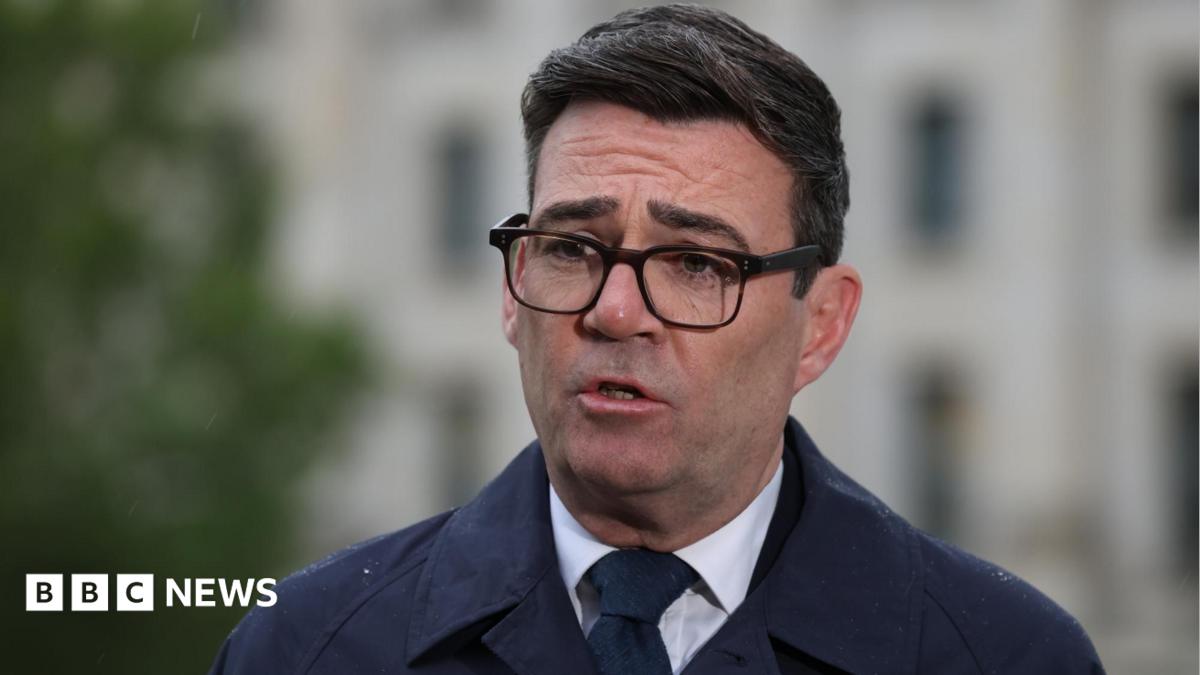
UK Prime Minister Andy Burnham has indicated a willingness to revisit the UK’s relationship with the European Union, including an “honest discussion” about the potential return of free movement. Burnham stated that a factual, evidence-based debate is needed, suggesting that the nature of migration during previous EU membership differed from current challenges, specifically, a greater prevalence of temporary migration. He also indicated openness to exploring options like single market membership or full EU membership, though not joining the Euro or Schengen Area. These comments come ahead of a meeting with EU leaders on November 20th, where Burnham intends to present options for a reset of relations.
Burnham’s stance contrasts with the position of Shadow Home Secretary Chris Philp, who ruled out any return to free movement, and Reform UK leader Nigel Farage, who labeled the comments a betrayal of Brexit voters. Burnham previously committed to Labour’s 2024 manifesto, which opposes free movement, single market membership, and a customs union, meaning any significant changes would likely require a mandate from a general election expected by 2029.
The discussion around free movement resurfaces a central debate from the 2016 Brexit referendum. Net migration was at a near-record high of 335,000 in June 2016, but peaked at 944,000 in March 2023 before falling to 171,000 last year. Burnham highlighted that the ease of movement benefited British citizens as well. He also noted the loss of data collaboration on migration following the end of free movement, referencing the EU’s Eurodac biometric database, which the UK would “very much like to be part of” again, according to the UK’s border security commander.
The prime minister stressed that any changes would not include joining the Euro or Schengen Area, which allows for passport-free travel. While the EU has encouraged new members to adopt the single currency, the UK did not abandon the pound during its membership.
Our reading is that Prime Minister Burnham is signalling a potential shift in Labour policy regarding the UK’s relationship with the EU, despite previous commitments. He appears to be testing the waters for a more accommodating approach to free movement and closer economic ties, while simultaneously acknowledging the political constraints of a future election and internal party divisions. The emphasis on an “honest discussion” and evidence-based debate suggests a deliberate attempt to reframe the conversation around migration, moving beyond simple pro or con positions.
閱讀原始報道
💬 评论
📜 评论政策