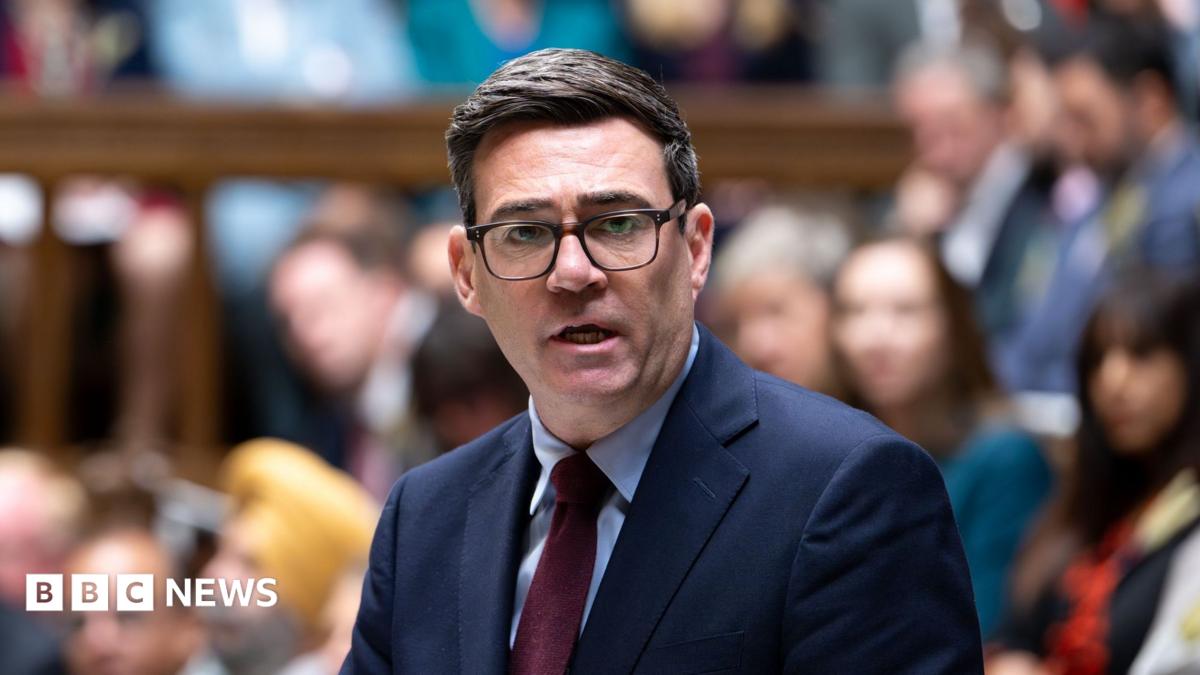
Prime Minister Andy Burnham stated that national security cannot come at the expense of social security, during Prime Minister’s Questions, as he faced questioning over defence funding. Conservative leader Kemi Badenoch challenged Burnham on committing to 3% of GDP for defence by 2030, while Burnham countered that he would fund defence alongside reducing the welfare bill through investments in education, youth support, and mental health services. Badenoch subsequently labelled the Labour Party the ‘Welfare Party’, accusing Burnham of prioritizing benefits over national security.
Burnham reiterated Labour’s commitment to the NATO target of 3.5% of GDP for defence by 2035, with a target date for reaching the 3% figure to be set in the spring spending review. He defended his approach by arguing that strong national security relies on resilient communities and that “crude cuts” to welfare could lead to homelessness and increased costs elsewhere. He specifically rejected a Conservative proposal to fund increased defence spending by cutting at least £4 billion from housing benefit, citing concerns about potentially creating hundreds of thousands of cases of homelessness and temporary accommodation.
Conservative sources emphasized Burnham’s refusal to commit to the 2030 target, while left-leaning coverage focused on Burnham’s commitment to both national security and social welfare. Badenoch accused Burnham of delaying defence spending, while Burnham insisted his chancellor would provide the necessary funding. The British army has been told to stop non-essential training exercises to save money.
The disagreement highlights a clear dividing line in British politics regarding the pace and funding of defence spending increases, particularly in the context of rising global threats. The appointment of John Healey, who previously resigned over the government’s lack of commitment to the 2030 target, was noted, though Badenoch questioned the relevance of a 2035 target given current threats.
Our reading is that a clear ideological and strategic disagreement exists between the Labour and Conservative parties regarding defence spending. Burnham appears to be prioritizing social programs as a foundation for national security, framing cuts to welfare as counterproductive, while Badenoch frames this as a deliberate de-prioritization of defence. The differing media coverage underscores the partisan nature of the debate, with outlets aligning with each party’s narrative.
मूल कवरेज पढ़ें
💬 टिप्पणियाँ
📜 टिप्पणी नीति