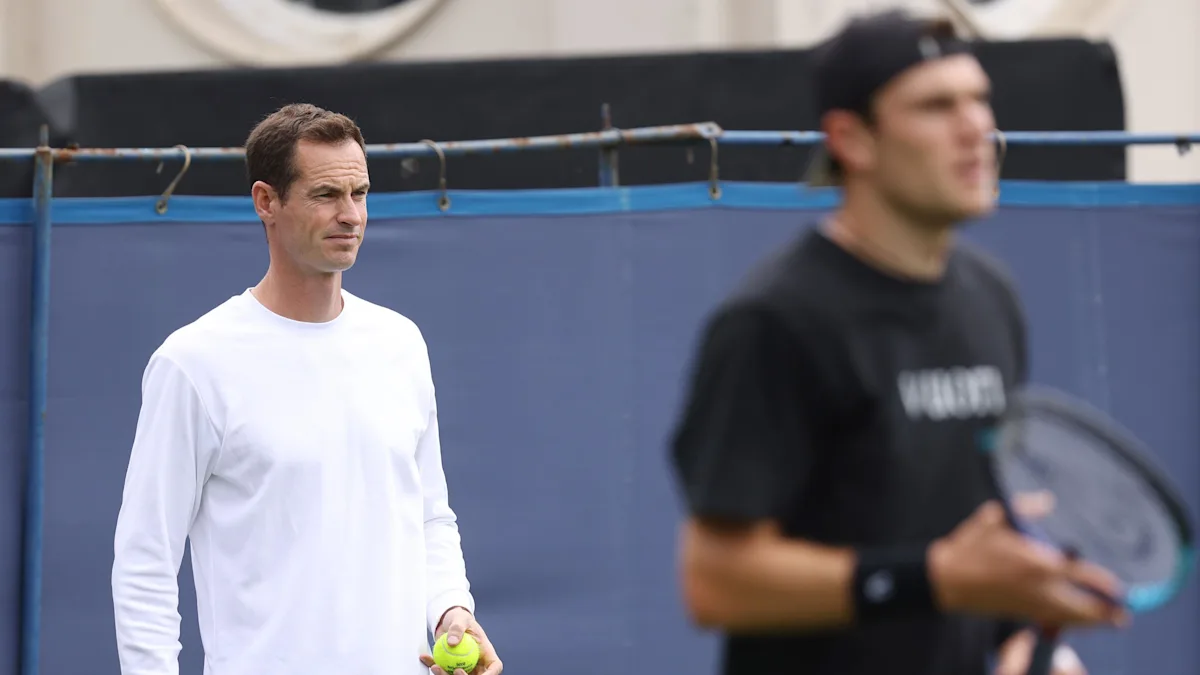
British tennis icon Andy Murray has discussed his transition from professional player to coach, specifically detailing his work with Jack Draper. In recent interviews, Murray addressed the challenges of leaving competitive play behind and offered perspectives on other high-profile figures in the sport, including Serena Williams' return to the court.
Murray, a former world number one and multiple Grand Slam champion, has been open about the psychological shift required after retiring from active competition. He described the process of filling the void left by not playing at the highest level, emphasizing the mental adjustments necessary for someone accustomed to elite athletic performance. This reflection on his post-playing career provides context for his current role in developing the next generation of British talent.
A significant portion of Murray's recent commentary focuses on his coaching relationship with Jack Draper. Draper, a rising star in British tennis, has benefited from Murray's experience and strategic insight. Murray has spoken about the specific dynamics of mentoring Draper, highlighting how he applies lessons from his own career to help Draper navigate the professional tour. This collaboration represents a new chapter for both athletes, with Murray leveraging his deep understanding of the game to support Draper's development.
Beyond his immediate coaching duties, Murray has also commented on broader trends in tennis, particularly regarding comebacks by legendary players. When asked about the possibility of Serena Williams returning to professional competition, Murray provided his assessment. He acknowledged the significance of Williams' career and the public interest in any potential return, while maintaining a realistic view of the physical and competitive demands involved. His comments reflect a respectful but grounded perspective on the feasibility of such a move for a player of her stature and age.
Murray's insights into these topics offer fans and analysts a glimpse into the mindset of one of tennis' most successful figures as he adapts to life after retirement. By discussing both his current coaching role with Draper and hypothetical scenarios involving other icons like Williams, Murray provides a comprehensive view of his ongoing connection to the sport. His willingness to share these thoughts underscores his continued influence in the tennis community, not just as a former champion but as a mentor and commentator on the state of professional athletics.
The discussion also touches on the broader theme of legacy in sports. Murray's transition from player to coach mirrors the path taken by many former athletes who wish to remain involved in their sport. His approach with Draper suggests a focus on long-term development rather than short-term gains, aligning with his reputation for strategic thinking and mental toughness during his playing days.
As tennis continues to evolve, Murray's role as a coach and advisor becomes increasingly relevant. His ability to connect with younger players like Draper while maintaining respect for the sport's history positions him as a key figure in British tennis. The interest in his views on potential comebacks, such as those of Serena Williams, highlights the enduring fascination with the intersection of past glory and future possibilities in professional sports.
Murray's comments serve to bridge the gap between the golden era of tennis and its current landscape. By providing context for Draper's rise and reflecting on the careers of legends, Murray helps frame the narrative of modern tennis. His perspective is valued not only for its accuracy but also for its depth, derived from years of experience at the pinnacle of the sport.
In summary, Andy Murray's recent discussions cover his coaching of Jack Draper, his personal adjustment to retirement, and his thoughts on potential comebacks by other stars. These topics illustrate his continued engagement with tennis and his role in shaping its future through mentorship and commentary.
मूल कवरेज पढ़ें
💬 टिप्पणियाँ
📜 टिप्पणी नीति