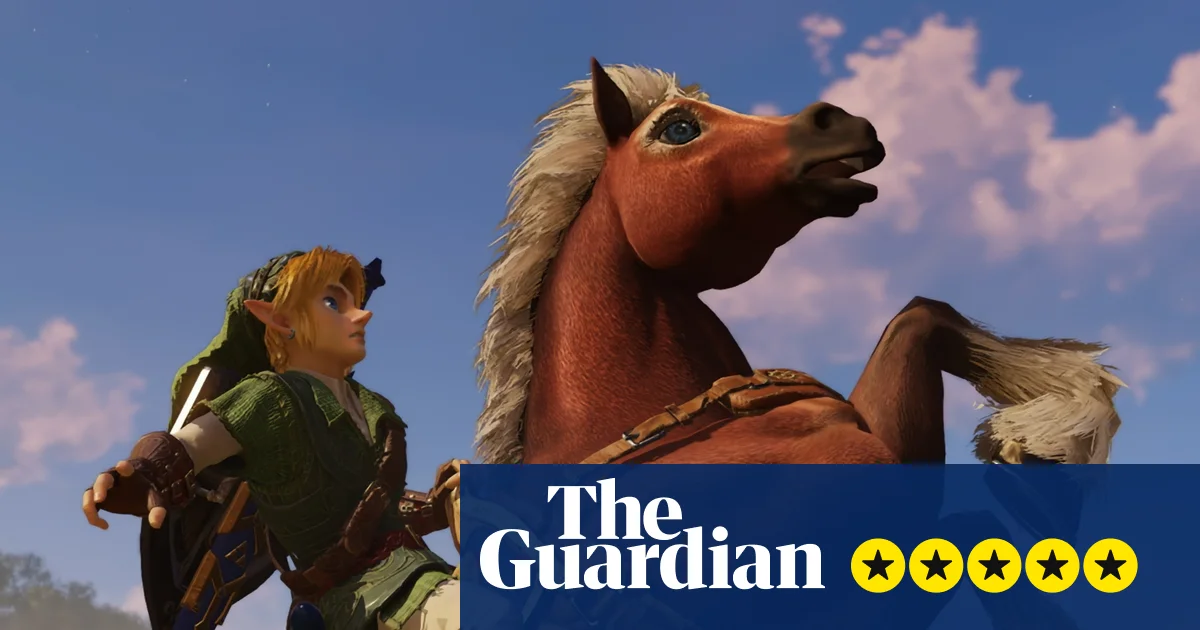
Nintendo has released a remake of The Legend of Zelda: Ocarina of Time for the Switch 2, 28 years after the original’s 1998 debut. The remake preserves the core gameplay and story of Link’s journey to save Hyrule, while updating the graphics, controls, and adding full voice acting. The game features a more realistic visual style, a jump button, sprinting, and a streamlined item menu borrowed from recent Zelda titles, Tears of the Kingdom and Echoes of Wisdom. While the core structure remains faithful to the original, Nintendo has expanded dialogue and added fully voiced cutscenes to enhance the narrative. The notoriously challenging Water Temple has been made more manageable, though costs for upgrades have increased. Some critics note a disconnect between the ornate textures and the game’s cartoonish proportions, while others praise the enhanced atmosphere and more impactful character encounters. The remake aims to appeal to both longtime fans and new players, offering a nostalgic experience with modern accessibility. The game’s story centers on Link, a forest dweller tasked with preventing Ganondorf from plunging Hyrule into darkness, and involves time travel between his childhood and adult adventures.
While the game largely maintains the original’s spirit, some changes have drawn attention. The Verge notes Nintendo developers intentionally preserved the “spamming” of the roll attack, while also adding a dash function. NPR points out that the game evokes nostalgia, mirroring Link’s quest to restore a lost past. CNET highlights the visual splendor, surpassing even recent Zelda titles like Breath of the Wild and Tears of the Kingdom, while Engadget emphasizes the improved battle animations and special effects that enhance the overall atmosphere. The Guardian reports that the expanded dialogue and cutscenes bring out the epic drama previously understated by the limitations of the Nintendo 64.
Despite the updates, some elements remain divisive. The Guardian anticipates that the new cutscenes may split purists, though the original version remains available. NPR notes a slight feeling of emptiness despite the game’s quality, perhaps due to its focus on recreating an idealized past. The Verge points out that while the game revitalizes the traditional Zelda formula, it contrasts with the open-ended freedom of more recent titles like Breath of the Wild. The extent to which these changes impact player experience remains a point of discussion.
Read the original coverage
💬 Comments
📜 Comment Policy