World Leaders at COP31 Warn Climate Crisis Response is Insufficient
AI-synthesized · Bias removed · Facts only
3 sources: 1 left · 2 center · 0 right
Facts are sacred. Opinion is labelled.
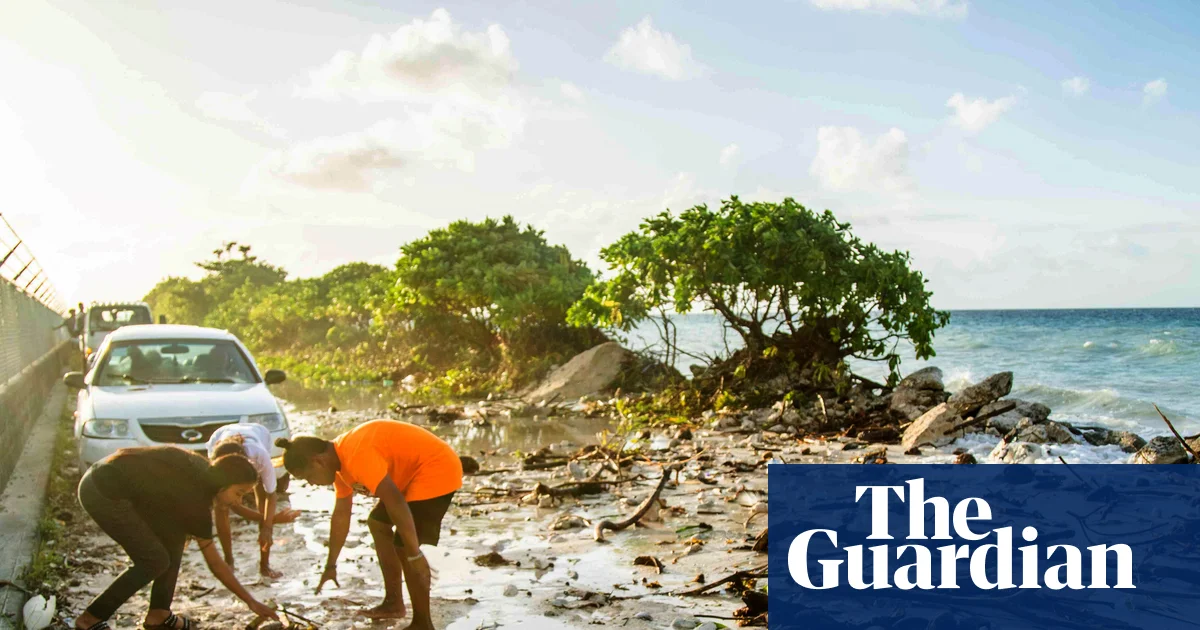
Image: Guardian Us
Leaders at the COP31 climate summit in Turkey warned that current efforts to curb emissions are failing to meet the goals of the Paris Agreement, potentially leading to catastrophic consequences. UN Secretary-General António Guterres blamed a deceitful fossil fuel industry and countries continuing to expand fossil fuel production, calling for a windfall tax on oil and gas company profits to fund climate adaptation in vulnerable nations. Hilda Heine, President of the Marshall Islands, stated that failure to respond overwhelmingly to the climate crisis means “the world we know is over,” citing the rapid bleaching of coral reefs as evidence of the escalating crisis. Mia Mottley, Prime Minister of Barbados, criticized governments for not increasing their emissions reduction efforts since the Paris agreement, framing the current trajectory as a “debt of heat” owed to future generations. Brazilian President Luiz Inácio Lula da Silva noted a decline in climate change prioritization in global forums, with increased focus on conflicts and tariffs, while Chinese Vice President Han Zheng emphasized the principle of common but differentiated responsibilities, calling on developed countries to lead in emissions reductions and provide climate finance. Australia and Turkey, co-hosting the summit, both stressed the importance of supporting developing nations in adapting to climate change, though both countries were ranked among the worst performers on reducing planet-heating emissions. The summit also saw calls for increased investment in clean energy technologies and for lowering borrowing costs to allow countries to invest in resilience.
Where they differ
- The Guardian emphasized the impassioned speeches of Pacific Island leaders and the UN Secretary-General’s condemnation of the fossil fuel industry.
- The Straits Times focused on direct quotes from multiple world leaders, providing a concise overview of their stated priorities.
- Africa News highlighted the importance of financial support for developing nations, particularly from wealthier countries, to adapt to the impacts of climate change.
What is not yet known
- The specific details of the proposed windfall tax on fossil fuel companies remain unclear.
- The extent to which countries will actually increase their emissions reduction pledges or climate finance commitments is yet to be determined.
Background
- The Paris Agreement, adopted in 2015, aims to limit global warming to well below 2 degrees Celsius, preferably to 1.5 degrees Celsius, compared to pre-industrial levels [background knowledge].
- In 2026, climate change is demonstrably linked to rising heat-related deaths and economic losses, with over 540,000 deaths annually attributed to heat from 2016-2023 [Fact Refinery, 2026-10-28].
- U.N. Secretary-General António Guterres has faced criticism and diplomatic fallout after adding Israel to a UN blacklist of parties accused of conflict-related sexual violence in May 2026 [Fact Refinery, 2026-05-28].
- President Donald Trump has been engaged in ongoing trade negotiations with Canadian Prime Minister Mark Carney, with discussions focused on a potential deal ahead of the U.S. midterm elections [Fact Refinery, 2026-11-02].
- The conflict between Saudi Arabia and Iran-backed Houthis in Yemen has been escalating, with implications for regional stability and global oil supplies [Fact Refinery, 2026-09-17].
Our reading
Our reading is that COP31 reveals a deepening sense of frustration and urgency among world leaders regarding the insufficient global response to the climate crisis. The stark warnings from leaders representing vulnerable nations, coupled with the UN Secretary-General’s condemnation of fossil fuel interests, suggest a growing recognition that current efforts are failing to prevent catastrophic consequences. The differing emphases in media coverage, on impassioned pleas, direct quotes, and financial concerns, highlights the multifaceted nature of the crisis and the varied priorities of different stakeholders.
What to watch
- Whether countries will submit revised emissions reduction pledges before the next major climate summit [COP32 reporting, expected early 2027].
- The details of any proposed windfall tax on fossil fuel companies, including its scope, implementation, and potential revenue allocation [UN press releases, December 2026].
- Whether clean energy funding surpasses fossil fuel investment in the next annual report on climate finance [Lancet Countdown on Health and Climate Change, expected October 2027].
💬 Comments
📜 Comment Policy