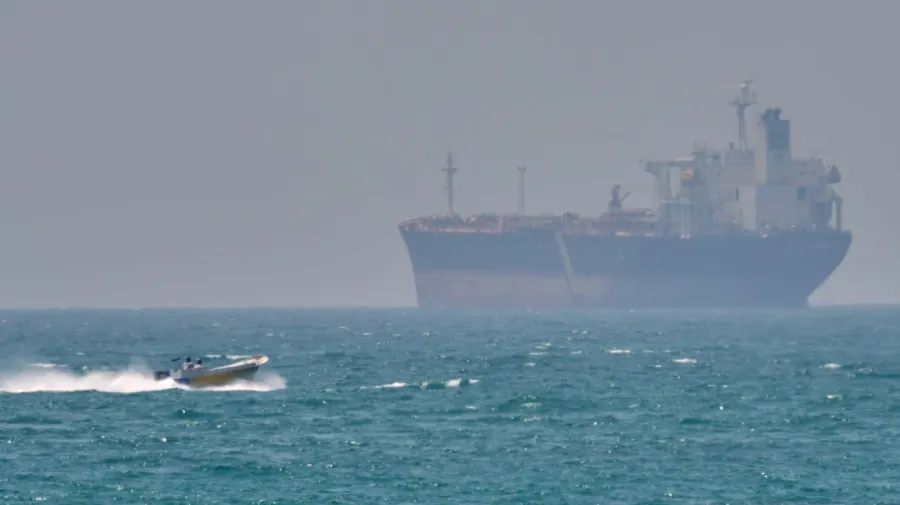
The U.S. military has spent at least $47 billion on the conflict with Iran since February, according to a new estimate from U.S. Central Command. The bulk of the cost, approximately $29 billion, is attributed to replacing expended munitions. An additional $6.1 billion is allocated to replacing lost equipment, and $11.9 billion covers incremental costs such as support for American service members. This figure represents an increase of over $3 billion since July, when Defense Secretary Pete Hegseth estimated the cost at $37.5 billion, excluding damage to U.S. bases. The Congressional Budget Office projects the war could cost $2 to $3 billion per month, driven by the need to replenish interceptor missiles. The Pentagon is also facing “strategic inventory shortfalls” due to munitions expenditure, prompting efforts to accelerate production, though the Trump administration disputes claims of shortages. President Trump has indicated potential renewed hostilities following the midterm elections unless Iran agrees to a deal. The rising costs come as Republicans grapple with the conflict’s political fallout ahead of the November 3 election, with the war impacting global energy costs and President Trump’s approval ratings.
While the Pentagon has not publicly released the estimate, it was provided to lawmakers. The cost does not include the damage sustained by U.S. military bases targeted by Iranian drones and missiles. Trump initially pursued a strategy of using high-end precision missiles to target Iranian defenses, intending to then utilize less expensive munitions, but an April ceasefire allowed Iran to reinforce its defenses. A naval blockade on Iran has been imposed to restrict oil export revenue. US officials report the Pentagon is prepared to resume heavy fighting if ordered.
Our reading is that the escalating financial cost of the conflict with Iran is becoming a significant political liability for the current administration, particularly with the midterm elections approaching. The detailed breakdown of spending, munitions, equipment, and incremental costs, suggests a sustained and intensive level of military engagement. The discrepancy between previous estimates and the current $47 billion figure, coupled with projections of continued high costs, highlights the financial strain this conflict is placing on the U.S. military and potentially on domestic policy priorities.
Read the original coverage
💬 Comments
📜 Comment Policy