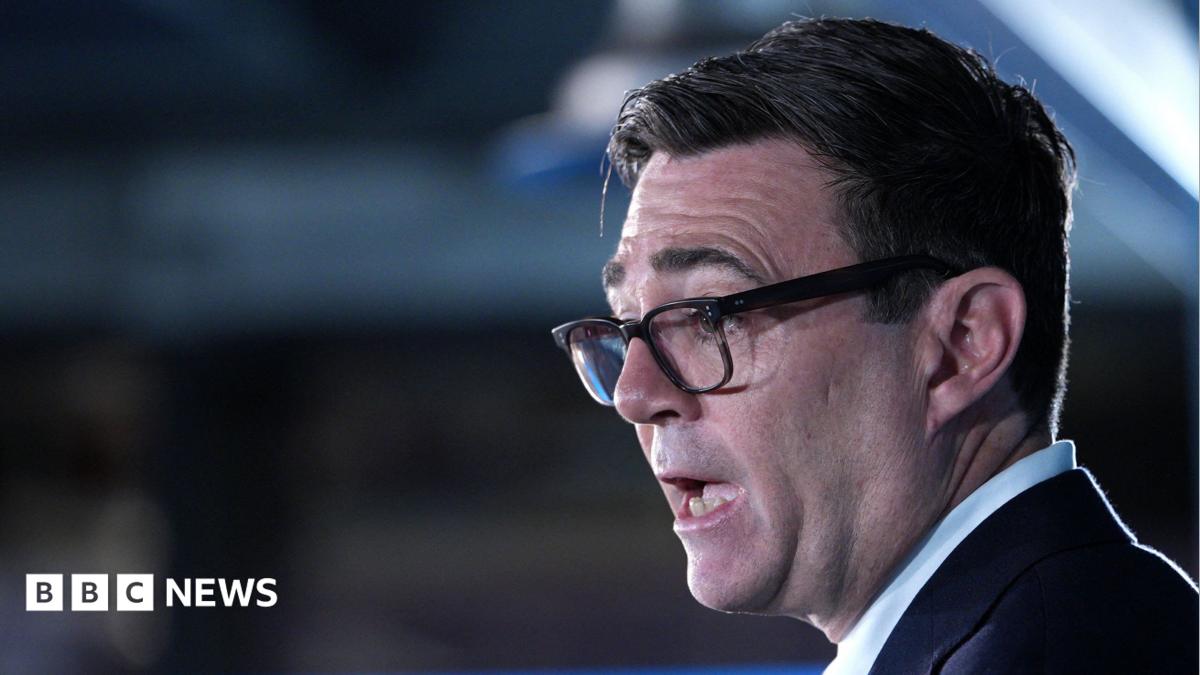
UK Prime Minister Andy Burnham has stated it is “clear” Russia interfered in the 2016 Brexit referendum. He revealed this conclusion was reached after inquiring about potential interference upon entering No. 10 Downing Street a few months ago. Burnham indicated he received a “clear answer” confirming Russian meddling, though he did not specify the source of this information. He expressed concern that the UK has been “too much on the back foot” in addressing foreign interference and believes voters in Germany and France should be aware of potential Russian influence in their own political processes.
Burnham also discussed Russian interference with German Chancellor Friedrich Merz, noting the presence of misinformation and disinformation emanating from Russia into German politics. This follows a 2020 report by the UK Parliament’s Intelligence and Security Committee, which criticized successive governments for failing to fully assess or counter the threat of Russian interference in UK elections and referendums, though it did not definitively conclude Russia attempted to influence the EU referendum result. Russia dismissed the 2020 report as “Russophobia.” The then-Conservative government did state in 2020 it was “almost certain that Russian actors sought to interfere” in the 2019 general election.
Recent examples of Russian-linked disinformation campaigns include the use of AI to create fake videos impersonating journalists and false claims about Ukrainian President Volodymyr Zelensky. Britain Unbound, a pro-Brexit campaign group, criticized Burnham’s comments as an attempt to undermine the legitimacy of the 2016 referendum result, arguing there is no evidence Russian intervention influenced the outcome and that suggesting voters were easily duped is insulting.
Our reading is that Prime Minister Burnham is proactively framing a narrative of external interference in UK democratic processes, specifically highlighting Russia’s alleged involvement in the 2016 Brexit vote. This appears to be a strategic move to both justify his government’s current policies and potentially deflect criticism regarding the long-term consequences of Brexit, as suggested by Britain Unbound’s response. The timing, following reports of other security concerns and international disputes, suggests a broader effort to emphasize national security and foreign influence as key issues.
Read the original coverage
💬 Comments
📜 Comment Policy