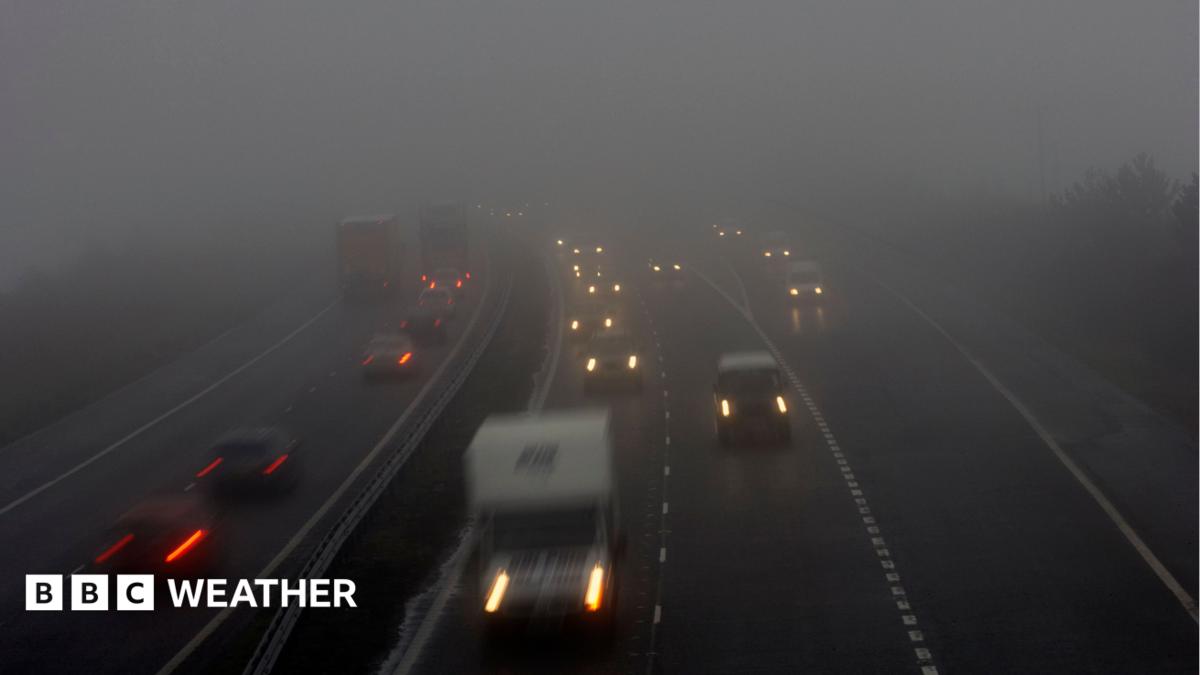
The United Kingdom is transitioning to calmer weather after a period of storms, but is now facing the prospect of dense fog that could disrupt travel, particularly during morning commutes. The BBC and Sky News both report that fog is expected to form across parts of the UK this week, with the most significant impacts anticipated on Thursday morning. The change in weather patterns is due to a weakening jet stream and the development of high pressure, which brings lighter winds but also increases the risk of mist, fog, and chilly temperatures. While rain is expected in Scotland, Northern Ireland, and northern England and Wales by Friday and Saturday, eastern and southern England may see persistent mist and fog. Despite October rainfall being near average for drought-affected areas of England and Wales, some reservoirs remain exceptionally low, and the settled weather pattern is expected to continue into the first week of November.
Following recent stormy weather caused by an active jet stream, conditions are becoming calmer as high pressure builds. Wednesday will bring sunny spells and showers, but lighter winds on Thursday will allow extensive fog to develop, creating difficult driving conditions. The fog may linger into lunchtime in some areas. By the weekend, some rain is likely in northern parts of the UK, but mist and fog may persist in the east and south. The high pressure system is expected to remain established over the weekend and into next week, leading to continued overnight mist and fog.
Sky News reported that three people died during the weekend storms, preceding this shift to calmer, foggy conditions.
Our reading is that the UK is experiencing a rapid shift in weather conditions, moving from disruptive storms to a period of calmer, but potentially problematic, foggy weather. The reports highlight a contrast in media focus, with some outlets emphasizing the recent storm fatalities while others concentrate on the upcoming fog. The persistence of low reservoir levels despite near-average rainfall suggests underlying water management challenges.
Read the original coverage
💬 Comments
📜 Comment Policy