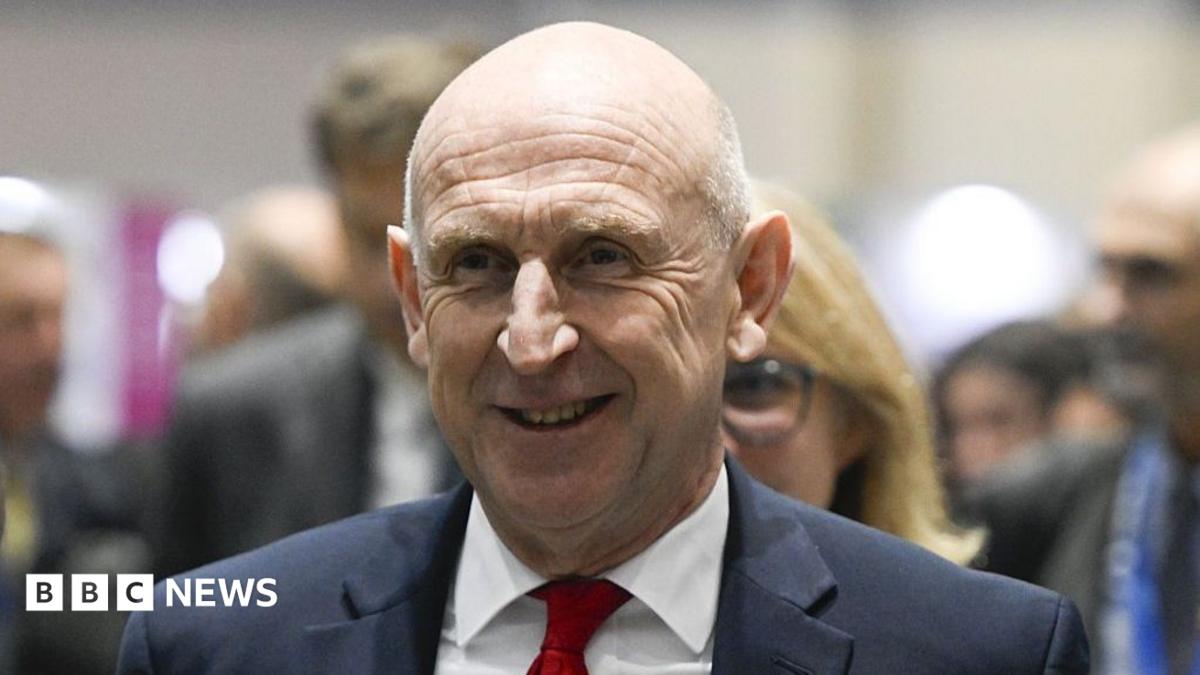
Chancellor John Healey is poised to increase taxes on banks in the upcoming UK budget on October 28th, seeking to offset rising government borrowing costs linked to the conflict in the Middle East. Banks collectively made around £15 billion in profit in the first six months of this year, prompting calls for increased taxation from trade unions. The UK’s four largest lenders, HSBC, NatWest, Barclays and Lloyds Banking Group, have generated £200 billion in pre-tax profits over the past five years.
Industry figures anticipate Healey may reinstate the 8% bank surcharge, which was reduced to 3% under Rishi Sunak alongside a rise in corporation tax. Reinstating the surcharge could raise approximately £2 billion annually. Another option under discussion is a moratorium on banks using past losses to offset current profits, potentially yielding an additional £1 billion per year. The current bank levy generates £1.4 billion annually, while the surcharge brings in £1.2 billion.
UK Finance, the banking sector trade body, warns that further tax increases would weaken competitiveness, discourage investment, and hinder economic growth. Jamie Dimon, CEO of JP Morgan, has cautioned that the UK already has one of the highest tax burdens on banks globally. Bank executives argue that higher taxes could drive business and staff away from the UK. Lloyds has particularly benefited from using past financial crisis losses to reduce its tax bills.
Healey has acknowledged the importance of banks to the UK economy, describing them as “hardwired into the economic fabric of this country,” but has not ruled out a tax increase. The decision comes as the UK’s cost of borrowing has risen, potentially reducing the fiscal cushion built up by the previous chancellor, Rachel Reeves. The Treasury contributed nearly £40 billion last year when factoring in income tax on employees.
Our reading is that the Chancellor is facing pressure to increase revenue due to rising government borrowing costs, likely exacerbated by the Middle East conflict, and is looking to the banking sector, which has demonstrated significant profitability, as a source. While acknowledging the banks’ importance to the economy, Healey appears prepared to reinstate or modify existing taxes on them, despite warnings from industry figures about the potential negative consequences for competitiveness and investment. The differing emphasis in reporting, on the conflict’s impact versus the banks’ concerns, suggests a debate is underway regarding the prioritization of fiscal needs versus economic growth.
Read the original coverage
💬 Comments
📜 Comment Policy