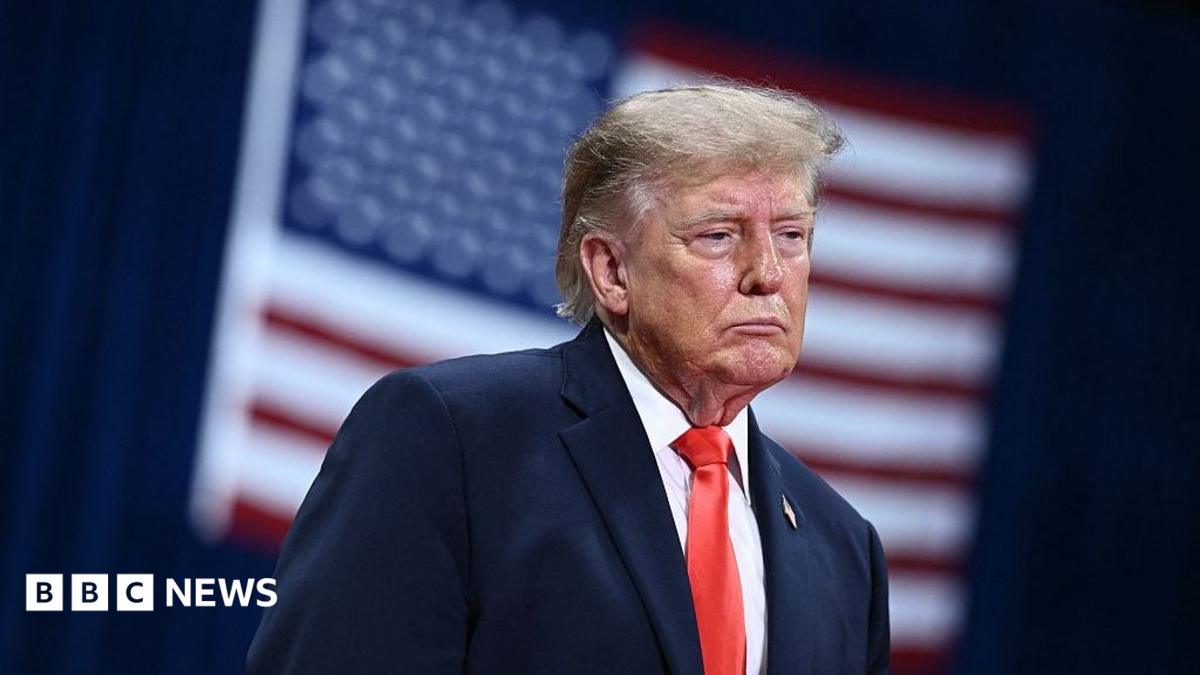
A federal judge in Florida has allowed Donald Trump’s $10 billion defamation lawsuit against the BBC to proceed, centering on a documentary that edited together portions of a January 6, 2021, speech to create the impression he directly called for supporters to storm the Capitol. Judge Jeffrey Kuntz dismissed a separate claim under Florida’s unfair trade practices law, finding the documentary did not constitute commercial speech. The BBC admitted the edits were misleading and apologized, but denies defamation. Trump hailed the ruling as a “huge victory” while the BBC stated it respects the court’s authority and will continue to defend its position.
The lawsuit alleges the BBC “intentionally, maliciously and deceptively doctoring” Trump’s speech in the documentary “Trump: A Second Chance,” which aired shortly before the 2024 presidential election. The edited segment spliced together remarks made nearly fifty-five minutes apart, removing context that Trump called for peaceful protest. The BBC emailed instructions to U.S. and Florida-based commenters on how to view the documentary, a detail highlighted by the judge. Trump was previously ordered to answer questions under oath in the case, after cancelling a prior deposition.
While the judge found the defamation allegations sufficient to move forward, he did not rule on their merits or whether Trump sustained damages. The BBC had argued the program did not meet the legal criteria for defamation and was not widely available in the U.S., a claim Trump’s lawyers ultimately conceded. Trump also dropped BBC Studios from the lawsuit after the BBC demonstrated it had no role in creating the documentary. A leaked internal BBC memo, following the broadcast, cited the edits as evidence of potential political bias, leading to resignations at the broadcaster.
Our reading is that while the BBC admits to editorial errors, the core of this lawsuit rests on whether those errors meet the legal standard for defamation, a standard the judge has, at this stage, deemed worthy of a full trial. The differing emphasis in reporting, from Trump’s “huge victory” claim to the internal BBC turmoil, suggests a narrative battle is already underway, with each side attempting to frame the legal proceedings to their advantage. The fact that Trump conceded the documentary wasn’t widely available in the U.S. is a notable limitation on his potential damages.
Read the original coverage
💬 Comments
📜 Comment Policy