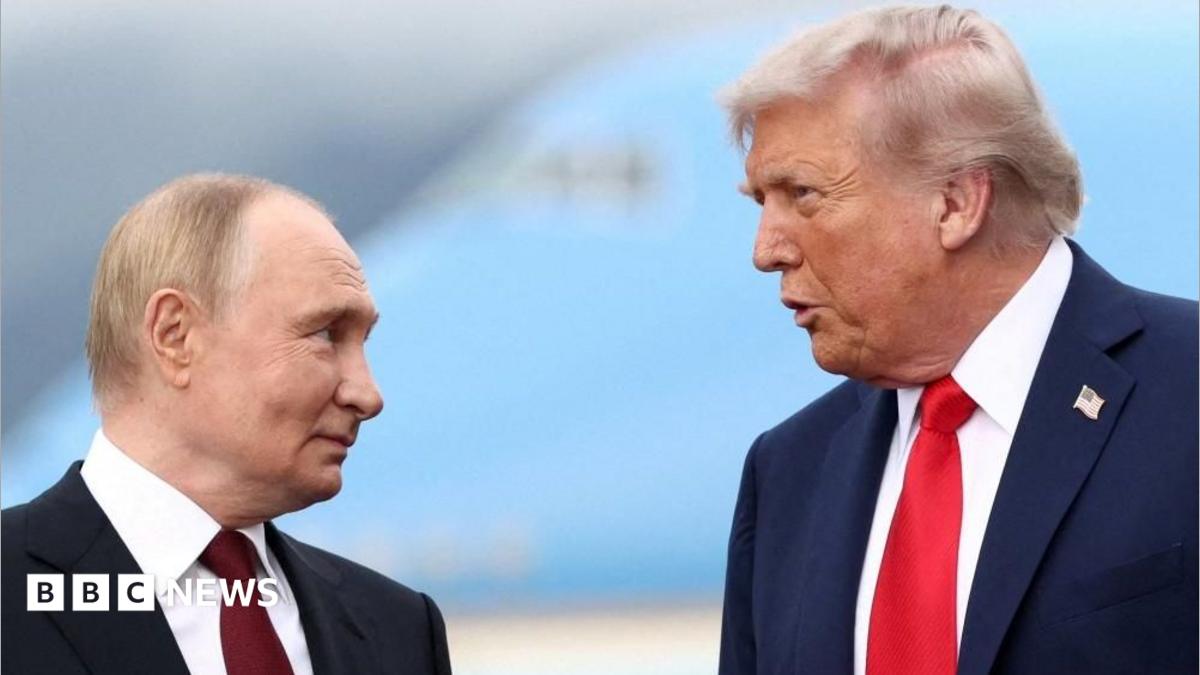
Trump Waives Russia Sanctions Despite Congressional Approval
Politics
✓ Neutralized●●●
2h ago

Trump Waives Russia Sanctions Despite Congressional Approval

AI-synthesized · Bias removed · Facts only
3 sources: 1 left · 1 center · 1 right
Image: Bbc Us

President Donald Trump has invoked his presidential authority to waive numerous sanctions on Russia, despite recently signing legislation intended to punish the country for its war in Ukraine. The move, enacted through an executive order on Friday, allows Trump to withhold some of the sanctions outlined in the Lindsey O. Graham Sanctioning Russia and Iran Act of 2026, which he signed into law in September and was set to take effect Sunday. The decision comes days after Trump announced plans to import Russian diesel in an effort to lower US energy prices before the November midterm elections, a move that drew bipartisan criticism.

The law, named for the late Senator Lindsey Graham, aimed to target Russia’s economy by authorizing tariffs of up to 100% on the top purchasers of Russian oil and gas, most notably China and India. It also included sanctions against President Vladimir Putin, senior Russian officials, financial institutions, and Russia’s “shadow fleet” of tankers. A bipartisan group of 20 lawmakers had urged Trump to fully implement the sanctions, believing they could compel Russia to engage in serious peace talks.

Trump justified the waivers as being in the “national interests of the United States.” The decision follows a phone call with Putin in which they discussed the purchase of Russian diesel, a move criticized by US allies and Ukrainian President Volodymyr Zelensky, who called it a gift to Putin. While some countries, like India, have expressed concerns about the sanctions bill, Trump’s action effectively delays the implementation of potentially significant economic pressure on Russia. RT characterized the previously proposed sanctions as “bone-crushing,” while other outlets noted the law’s potential to disrupt Russian energy exports. The timing of the decision coincides with Trump’s increasingly warm stance toward Russia and public criticism of Ukraine’s President Zelensky.

Where they differ

  • RT framed the sanctions as ‘bone-crushing’ and emphasized the potential disruption to Russian energy exports, while other sources focused on the political implications of Trump’s decision.
  • GB News highlighted Trump’s warming relationship with Russia and criticism of Zelensky, leading with those aspects of the story.
  • The Straits Times noted India’s concerns about the bill, a detail less prominent in other reports.
  • BBC and Financial Times focused on the immediate impact of the waiver and the bipartisan backlash, while RT emphasized the severity of the sanctions that were avoided.

What is not yet known

  • The full extent to which Trump will continue to waive sanctions in the future remains unclear.
  • The precise reasoning behind Trump's assessment of what constitutes the 'national interests of the United States' in this case is not fully detailed in the sources.

Background

  • The Lindsey O. Graham Sanctioning Russia and Iran Act of 2026 was passed by the Senate in August and aimed to increase economic pressure on Russia and Iran through tariffs and sanctions on individuals and institutions [Fact Refinery, 2026-09-17].
  • President Donald Trump announced a plan to purchase Russian diesel fuel in October, a move that drew bipartisan legal scrutiny for potentially violating existing import bans [Fact Refinery, 2026-10-14].
  • Ukrainian President Volodymyr Zelenskyy has been appealing for continued financial support from European leaders, warning of potential funding shortfalls for Ukraine’s defense [Fact Refinery, 2026-10-16].
  • Katie Zacharia was recently appointed and then removed as White House press secretary, leaving a key communications role vacant before the midterm elections [Fact Refinery, 2026-10-16].
  • The US Federal Reserve raised interest rates in September, the first increase since 2023, in an attempt to combat persistent inflation [Fact Refinery, 2026-09-17].

Our reading

Our reading is that President Trump’s decision to waive Russia sanctions, despite congressional approval and recent legislation intended to punish Russia, demonstrates a prioritization of perceived short-term domestic political gains, lowering energy prices before the midterm elections, over a unified stance against Russian aggression. The differing framing of the situation by various news outlets, particularly RT’s emphasis on the severity of the avoided sanctions, highlights the polarized nature of the issue and the active shaping of narratives. The timing of this move, coupled with Trump’s warming relationship with Russia and criticism of Ukraine, suggests a deliberate shift in policy.

What to watch

  • Whether the Treasury Department issues further general licenses related to Russian energy imports, potentially indicating a broader shift in sanctions enforcement [Treasury Department website].
  • The outcome of the upcoming midterm elections and whether Trump’s stance on Russia becomes a significant issue for voters [Election results reporting].
  • Any statements from the Biden administration or Congress regarding potential legislative responses to Trump’s decision, such as attempts to override the waivers [Congressional records and press releases].
Was this useful?

Read the original coverage

💬 Comments

📜 Comment Policy