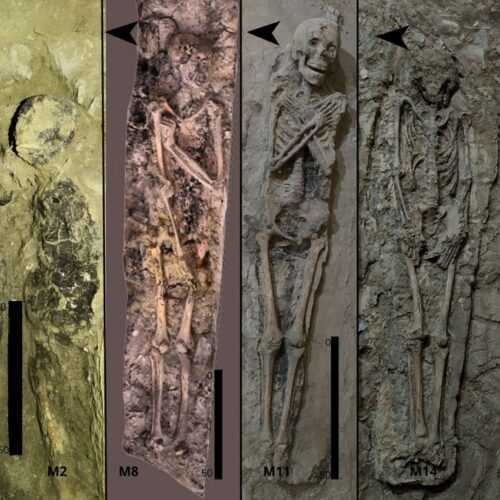
A recently discovered Theban tomb is shedding light on how ancient Egyptian burial customs evolved over time. Archaeological findings indicate a transition from individual burials in coffins to the later practice of reusing existing tomb sites for multiple interments, including mummies.
The discovery, detailed by ars_technica_science, reveals a change in how Egyptians approached death and burial. Initially, individuals were buried in dedicated coffins within tombs. However, over time, this practice shifted. The Theban tomb shows evidence of later interments being added to the site, with mummies placed within the existing structure rather than new, individual burials being created.
The source states that the findings demonstrate a shift in practices from individuals buried in coffins to reusing sites for later mummy interments. The precise reasons for this change aren't detailed in the source, but the archaeological evidence clearly indicates a different approach to burial over time. This reuse suggests a potential change in resources, beliefs, or logistical considerations related to funerary practices in ancient Egypt.
We don't rate truth. We strip the spin and show you which perspectives covered the story. You decide.
Read the original coverage
💬 Comments
📜 Comment Policy