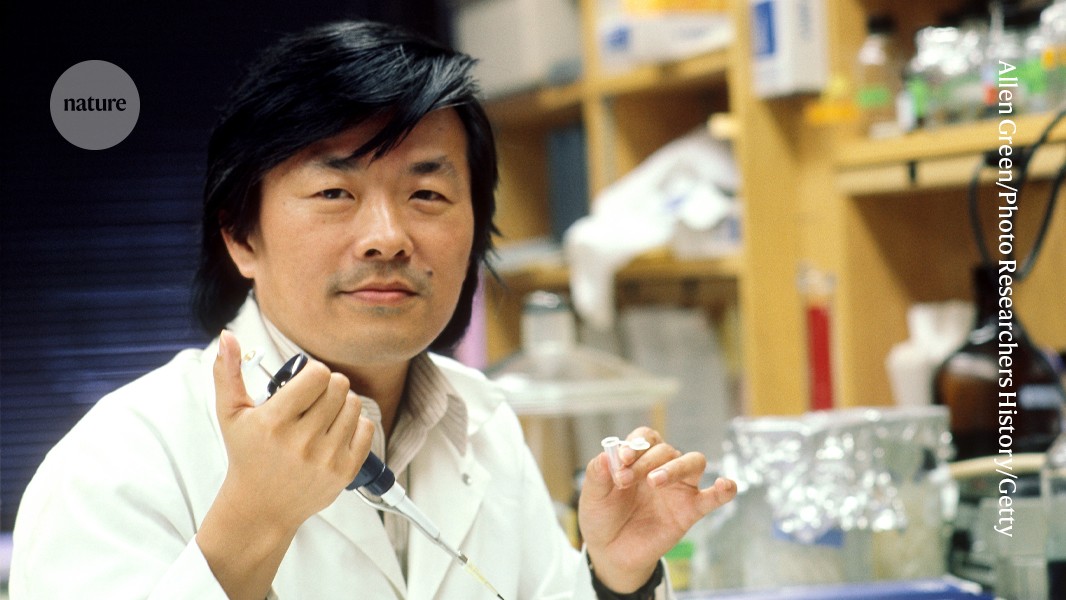
Susumu Tonegawa, Japan’s first Nobel prizewinner in physiology or medicine, has died. He was a molecular biologist renowned for his work on antibodies and the biological basis of memory.
Tonegawa received the Nobel Prize in 1987 for his discovery of how antibody genes are assembled – a breakthrough that revealed how the immune system can create such a diverse range of antibodies to fight off infections. His research demonstrated that antibody diversity is not encoded in the germline, but rather created through genetic recombination during lymphocyte development.
Tonegawa’s later work focused on understanding the molecular mechanisms underlying memory. He sought to identify the physical changes in the brain that occur when memories are formed and stored. According to Nature, he was described as a “fearless molecular biologist who revealed the workings of antibodies and memories.” The article notes his passing occurred on July 29, 2026.
We don't rate truth. We strip the spin and show you which perspectives covered the story. You decide.
Read the original coverage
💬 Comments
📜 Comment Policy