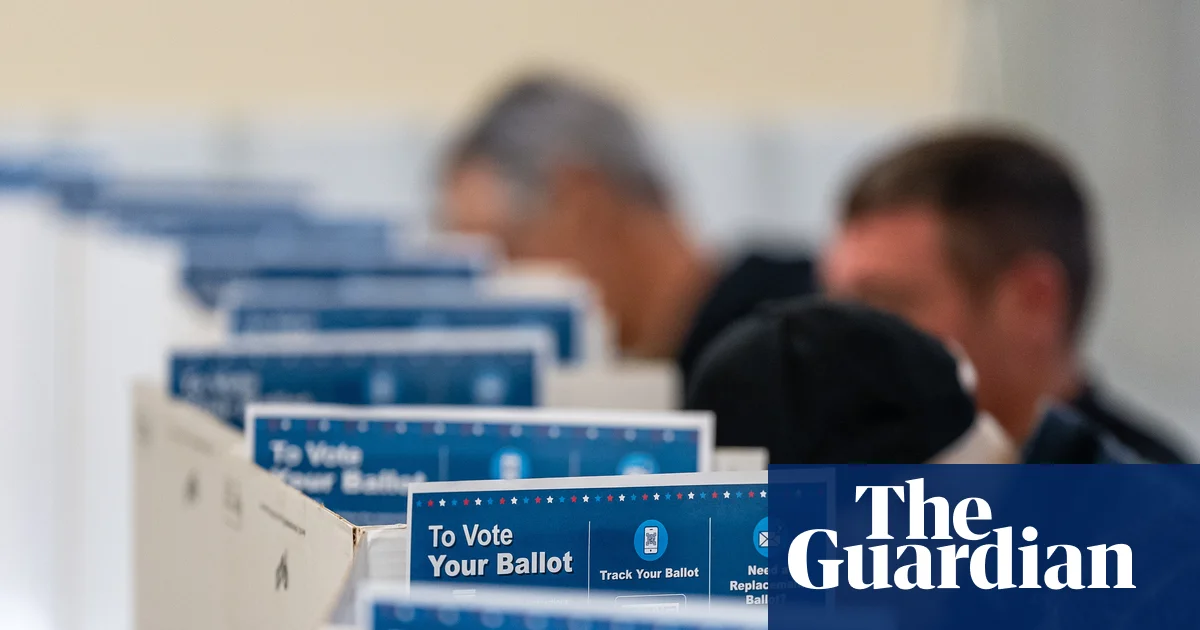
The Supreme Court on Monday rejected a last-ditch effort by the Trump administration to force California election officials to set aside approximately 20,000 mail-in ballots flagged as potentially cast by non-U.S. citizens. The administration claimed the ballots were from “likely” noncitizens and sought to prevent them from being counted until citizenship could be verified. Multiple lower courts, including a district court judge nominated by Bill Clinton, had previously rebuffed the administration’s requests, citing a lack of evidence supporting the claims and warning of potential disruption to the election.
The Justice Department initially delivered a list of alleged non-citizens to California election officials in mid-October, giving them 48 hours to review it. When officials refused to segregate the ballots, the administration escalated the matter with a lawsuit and threatened legal action. California officials and voting rights groups questioned the methodology used to compile the list, citing numerous inaccuracies. Los Angeles County Clerk Dean Logan stated the Justice Department had “not provided the underlying evidence, source, or methodology” supporting its assertions.
The administration also pursued similar efforts in Washington state and initiated a criminal investigation in California, subpoenaing election officials and filing criminal charges against over 200 individuals accused of illegal voting. US District Judge David Carter warned that the administration’s actions represented an unprecedented attempt to interfere with state election procedures. The court rulings came as voting in California was already underway, with over 6 million mail ballots already returned. President Trump has repeatedly claimed widespread non-citizen voting, despite limited evidence of such fraud.
While the Supreme Court denied the request for an injunction, the underlying question of the accuracy of the list and the potential for disenfranchising eligible voters remains. Analysis of the list by immigrant rights groups and voting rights watchdogs revealed that thousands of U.S. citizens were inexplicably flagged as ineligible to vote, suggesting significant errors in the Justice Department’s data.
Our reading is that the Supreme Court’s rejection of the administration’s bid to segregate ballots reinforces the lower courts’ assessment that the administration’s claims lack evidentiary support. The differing framing of the story by various news outlets suggests a partisan divide in how the administration’s actions are perceived, with right-leaning sources emphasizing the stated goal of preventing voter fraud and others highlighting the potential for interference. The continued pursuit of this issue, despite evidence of inaccuracies in the list, appears to prioritize political messaging over factual accuracy.
Read the original coverage
💬 Comments
📜 Comment Policy