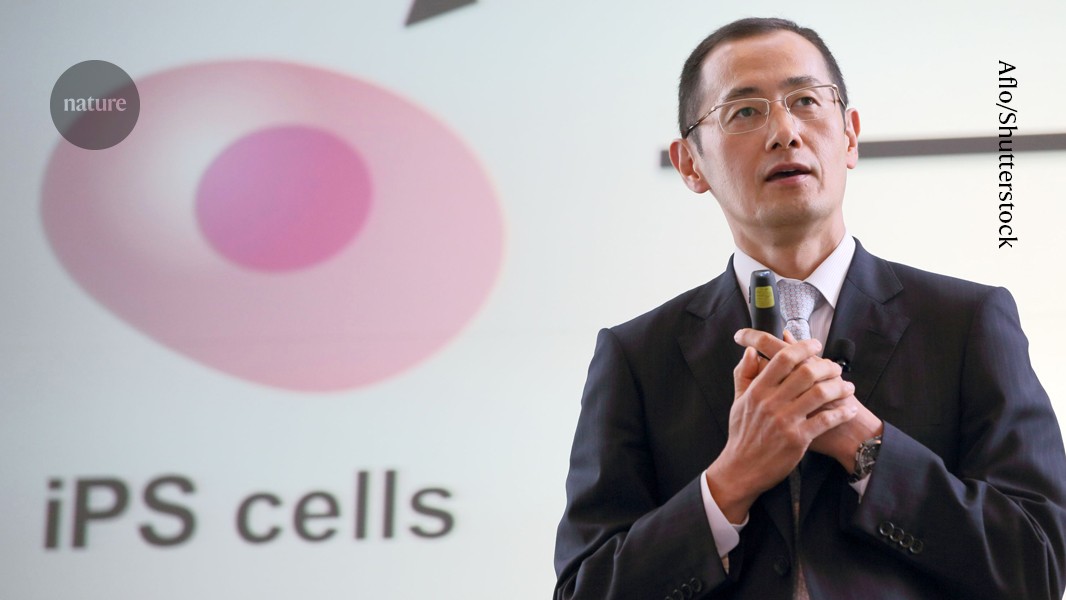
Twenty years after the discovery of induced pluripotent stem cells revolutionized biomedicine, clinical trials are underway, and maintaining public trust is crucial for the therapy’s success. The field has progressed rapidly, but responsible development is now paramount.
In 2006, induced pluripotent stem cells (iPSCs) dramatically altered the landscape of biomedical research. These cells, capable of developing into any cell type in the body, offered a new avenue for studying diseases and developing potential treatments. Now, two decades later, clinical trials utilizing iPSC-derived therapies are gaining momentum.
The article emphasizes the importance of retaining public trust as these trials progress. While the source does not detail specific concerns eroding trust, it implies that continued responsible development is essential to realizing the full potential of this revolutionary therapy. The advancement from initial discovery to clinical application necessitates careful consideration of ethical and safety standards to maintain public confidence and support for iPSC research.
We don't rate truth. We strip the spin and show you which perspectives covered the story. You decide.
Read the original coverage
💬 Comments
📜 Comment Policy