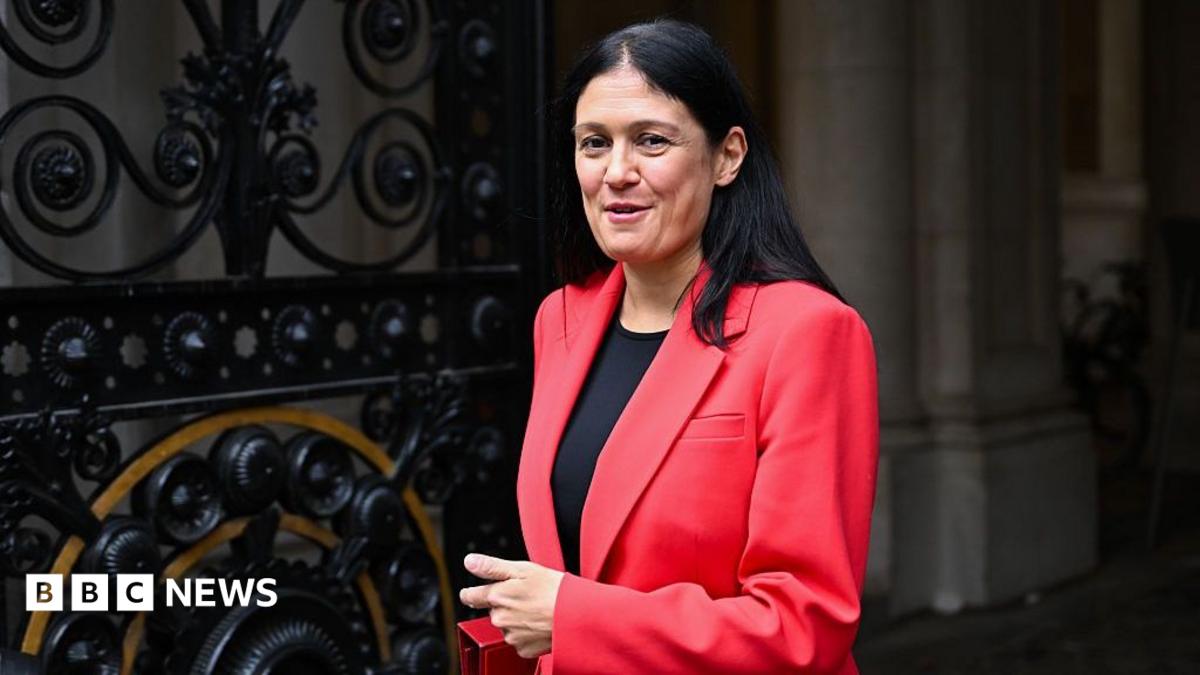
Culture Secretary Lisa Nandy has indicated she is “minded to intervene” in Sky’s proposed £1.6 billion takeover of ITV’s media and entertainment division, citing concerns about the potential impact on free expression and the diversity of the UK’s news landscape. Nandy has written to Sky and ITV, stating reasonable grounds to believe the deal could affect the availability of a wide range of high-quality programming and news sources. Specifically, she is considering issuing a Public Interest Intervention Notice (PIIN) to compel the Competition and Markets Authority (CMA) to investigate whether the merger would reduce plurality in news media, particularly impacting viewers in the North of England and those from lower socio-economic backgrounds who rely on broadcast news.
The concerns center on the potential for 86% of the news market to be controlled by the BBC and the combined Sky/ITV entity. Nandy’s letter highlights the need for free expression, a range of views, and diverse control within the media. She is also exploring extending public interest considerations to include on-demand programming, which would require new legislation.
Sky has stated it will “carefully consider” Nandy’s letter and “engage constructively” with the review, maintaining confidence that the deal will create a stronger British media organization. ITV has been approached for comment. Variety reported that former ITV chair Sir Peter Bazalgette believes government policy is now more favorable to media consolidation due to pressures from streaming services and platforms like YouTube, while acknowledging that the combined Sky/ITV represents only 20-30% of the advertising market. The companies have until October 20 to respond to Nandy’s concerns, after which the CMA and media regulator Ofcom may assess the deal’s impact.
Our reading is that the Culture Secretary’s inclination to intervene in the Sky-ITV deal signals a heightened concern for media plurality and public interest, particularly regarding access to news for vulnerable populations. The potential for a single entity to control a significant portion of the news market, up to 86% combined with the BBC, is clearly driving this consideration. While acknowledging the pressures of the streaming landscape, Nandy appears willing to prioritize diverse media control over consolidation, even if it necessitates new legislation.
Read the original coverage
💬 Comments
📜 Comment Policy