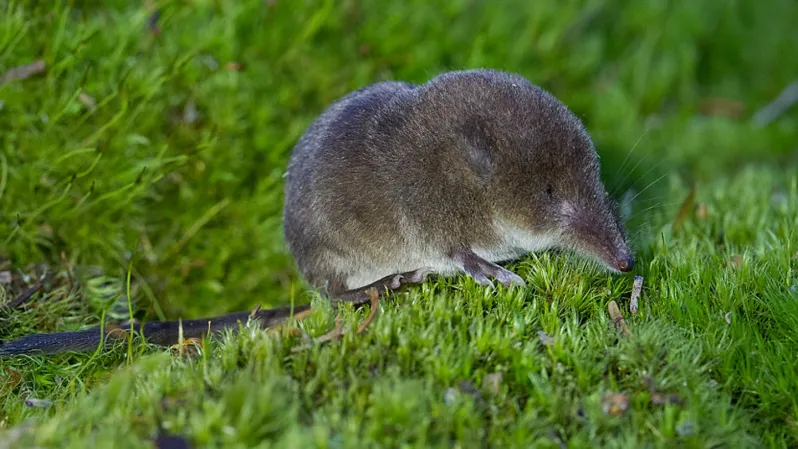
Long-clawed shrews exhibit a unique seasonal adaptation: their snouts grow larger in the winter while their brains shrink. Researchers believe this skull reshaping may be an extreme survival strategy to cope with cold conditions.
According to science_news, the long-clawed shrew undergoes a temporary but noticeable change in skull structure during the winter months. Specifically, their snouts increase in size. This change is accompanied by a corresponding decrease in brain size.
The study, as reported by science_news, suggests this phenomenon isn’t a random occurrence but a deliberate adaptation. Researchers hypothesize that the skull reshaping is an extreme survival strategy employed by the shrews to endure harsh winter conditions. The exact mechanism and benefits of this adaptation are still under investigation, but the observed correlation between snout growth and brain shrinkage points to a significant physiological shift.
While the details of *how* this reshaping aids survival aren’t fully explained in the science_news report, the core finding highlights the remarkable plasticity of animal biology and the lengths to which creatures will go to adapt to their environment.
We don't rate truth. We strip the spin and show you which perspectives covered the story. You decide.
Read the original coverage
💬 Comments
📜 Comment Policy