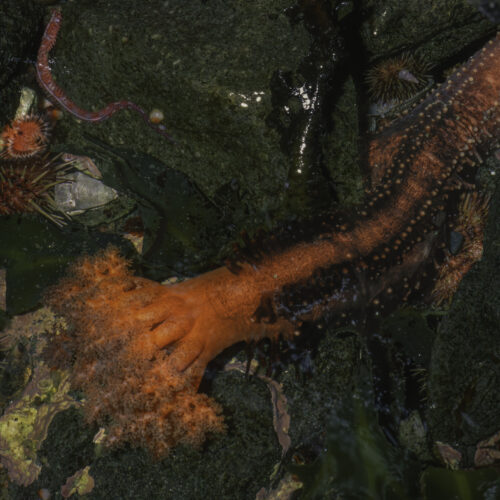
A report from Ars Technica Science has shed light on the unusual biological characteristics of sea cucumbers, specifically regarding their ability to survive trauma. The article addresses the fate of sea cucumber appendages once they are severed from the main body. The key finding is that these severed sea cucumber appendages don't seem to die, defying the typical fate of detached limbs in the animal kingdom.
The source provides insight into how this survival occurs. The appendages do not merely linger; they take active measures to sustain themselves. The summary notes that they "seem to reorganize their tissues." This reorganization is a critical biological response that occurs post-severance. It implies a level of autonomy and cellular plasticity within the appendage that allows it to adapt to its new, detached state.
Following this period of tissue reorganization, the result is that the appendages "just keep living." This suggests a form of independent survival where the tissue remains viable. The discovery highlights a unique aspect of sea cucumber physiology where severed parts do not necrotize but instead restructure and continue to exist. The focus of the reporting remains on this cycle of detachment, reorganization, and continued living.
We don't rate truth. We strip the spin and show you which perspectives covered the story. You decide.
Read the original coverage
💬 Comments
📜 Comment Policy