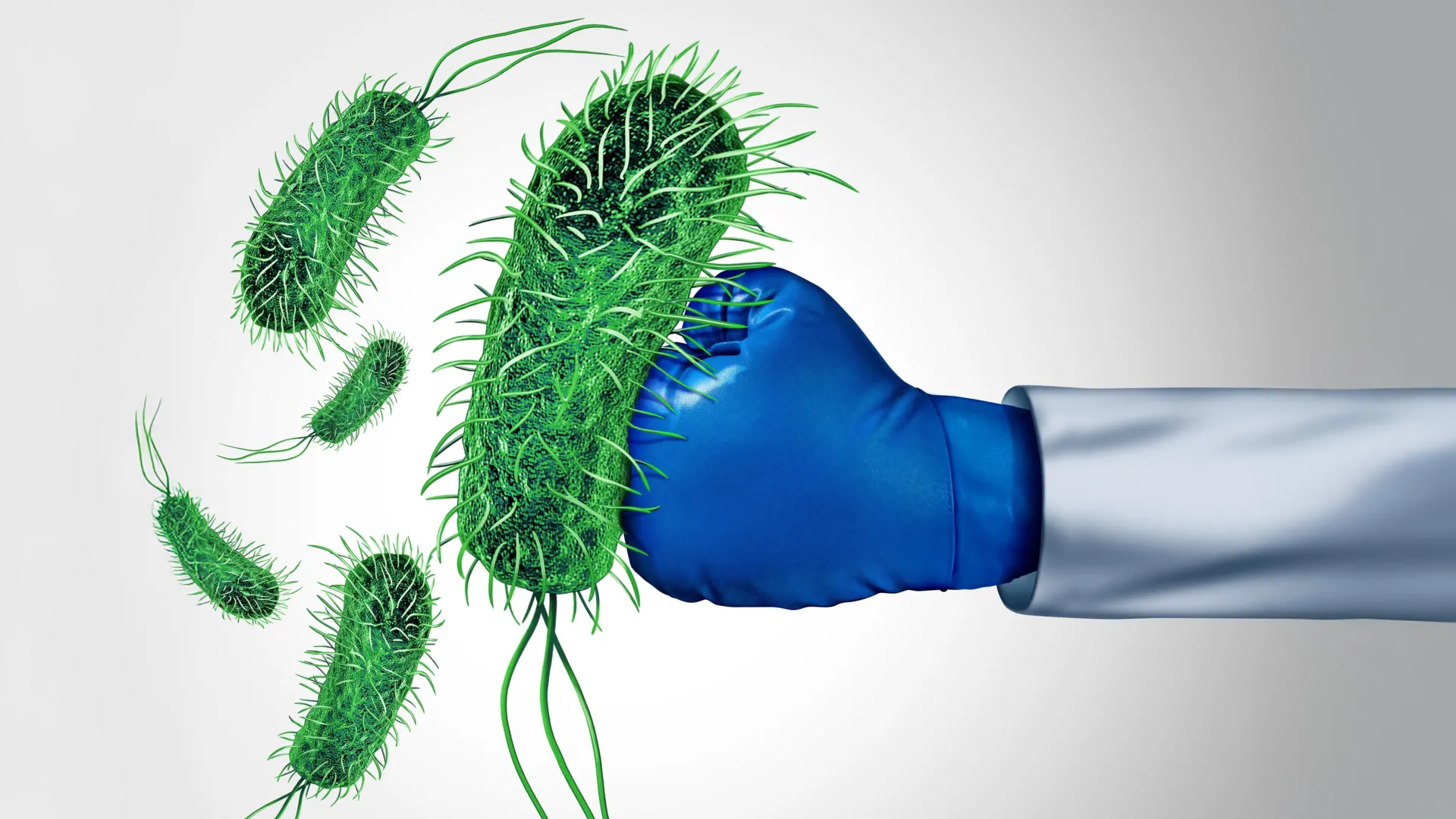
Researchers have successfully restored the effectiveness of vancomycin, a powerful antibiotic rendered ineffective against some dangerous bacteria due to resistance. The breakthrough involves pairing vancomycin with a small molecule called pghi-4, which targets a specific bacterial enzyme linked to this resistance.
The team found that combining vancomycin with pghi-4 restored the antibiotic’s ability to kill drug-resistant *E. faecium*. This is significant because some dangerous bacteria have learned to resist vancomycin, limiting treatment options for infections. The researchers believe this approach could be applied to other antibiotics facing similar resistance issues.
The key to this revival lies in pghi-4’s ability to block a bacterial enzyme linked to resistance. According to the source material, scientists paired vancomycin with pghi-4, which blocks a bacterial enzyme linked to resistance. This combination effectively circumvented the bacteria's defense mechanisms, allowing the antibiotic to function as intended.
The research offers hope that similar “chemical helpers” can be developed to rescue other failing medicines and combat the growing threat of antimicrobial resistance – a major public health concern worldwide.
We don't rate truth. We strip the spin and show you which perspectives covered the story. You decide.
Read the original coverage
💬 Comments
📜 Comment Policy