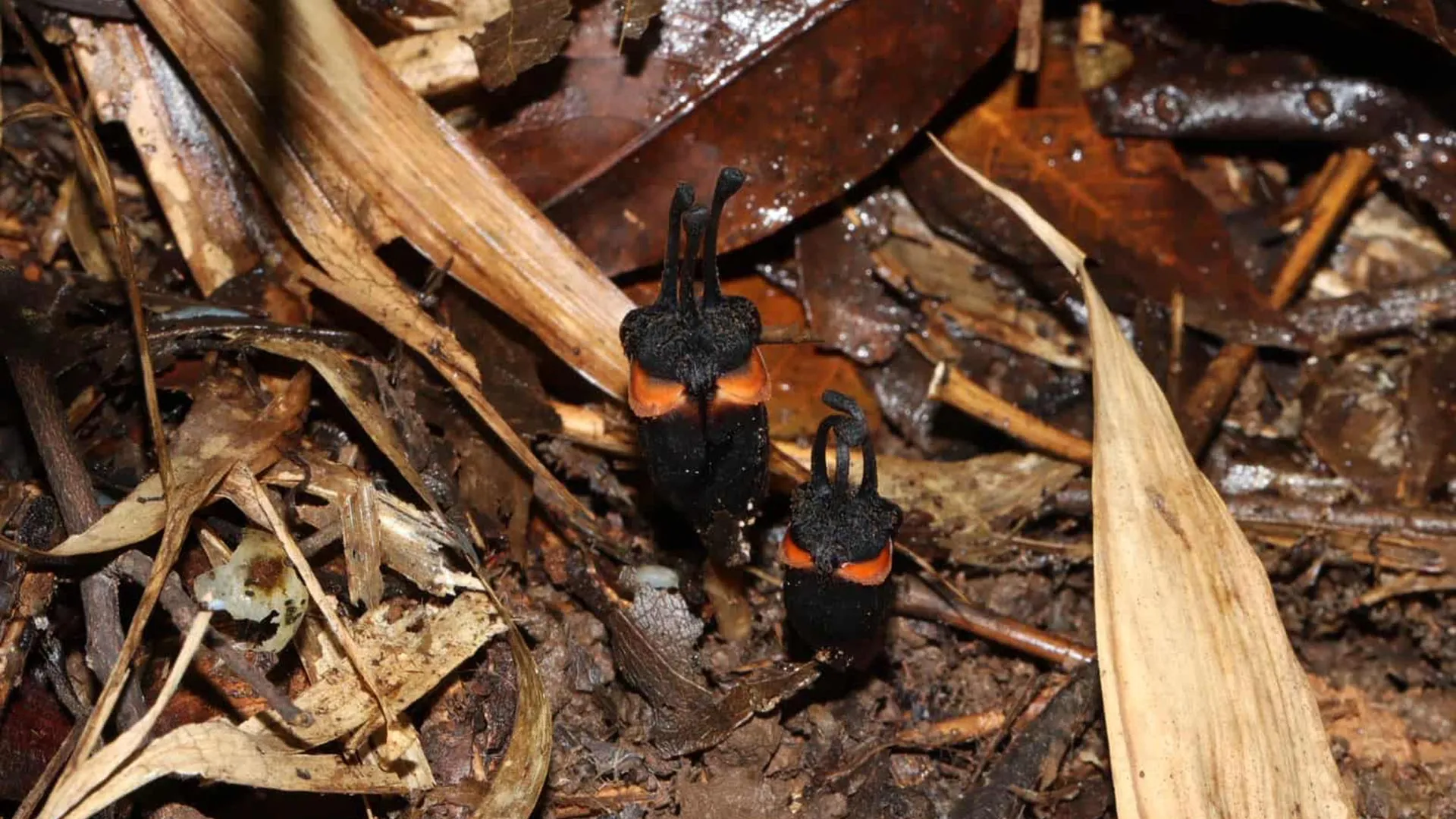
Scientists have discovered a new species of flowering plant, named *Thismia daemona*, in a Thai national park. The plant, nicknamed the “devil flower” due to its unusual appearance, is leafless, lacks chlorophyll, and obtains nutrients from fungi. Its discovery expands the known geographic range of its genus and raises concerns about its potential endangerment.
A team of botanists from Chulalongkorn University and Prince of Songkla University identified the new species while surveying Thong Pha Phum National Park in western Thailand. The plant was found growing at an elevation of nearly 1,000 meters, an atypical environment for *Thismia* species, which usually thrive in humid lowland rainforests.
Dr. Sahut Chantanaorrapint of Prince of Songkla University stated, “Finding *Thismia daemona* in Thong Pha Phum National Park was indeed a major surprise.” He explained that the plant’s habitat is a seasonal, montane evergreen forest, differing from the typical environment for this genus.
The “devil flower” gets its name from its striking appearance. The flower is primarily black, with horn-like appendages and reddish-orange patches resembling eyes. Dr. Chantanaorrapint explained, “Combined with its hidden, subterranean, and mysterious lifestyle on the forest floor, our team unanimously agreed that naming it *Thismia daemona* perfectly captured its enigmatic and devil-like essence.”
Currently, fewer than 50 individuals of *Thismia daemona* are known, existing within an area smaller than a football pitch. As a result, scientists have provisionally assessed the species as Critically Endangered. A potential threat to its survival is tourist traffic within the national park where it grows.
Read the original coverage
💬 Comments
📜 Comment Policy