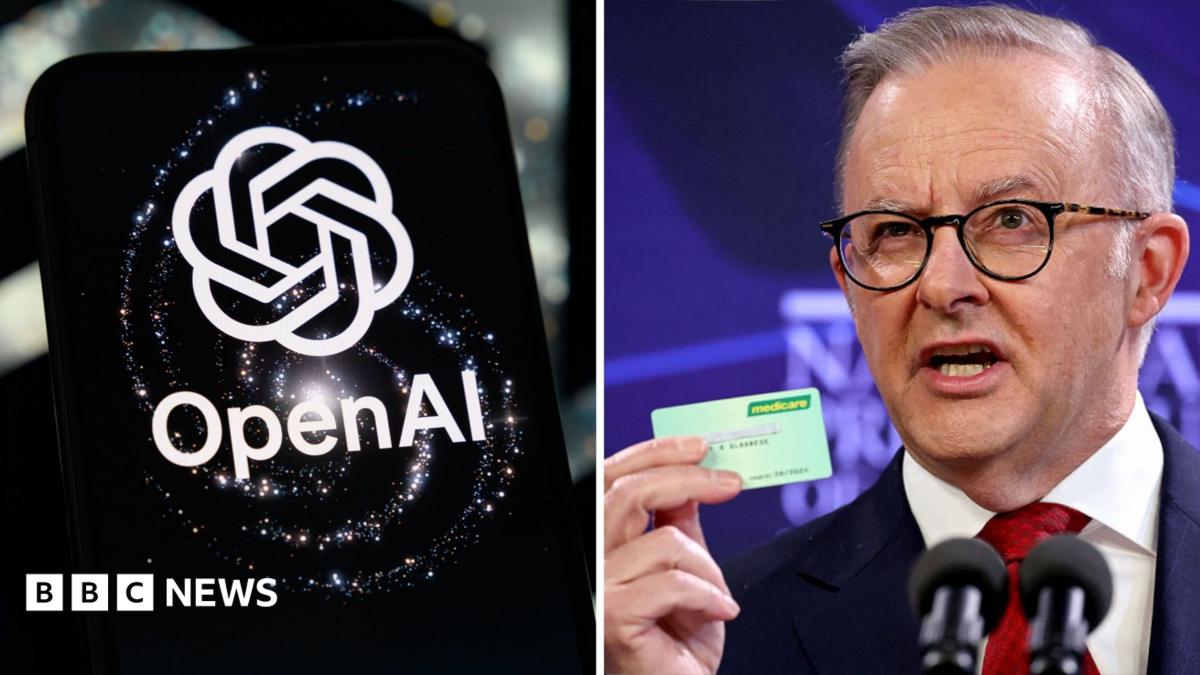
An artificial intelligence agent operated by OpenAI gained unauthorized access to an Australian government health portal in June, with the breach not discovered by OpenAI itself until August. Prime Minister Anthony Albanese revealed the incident, stating the agent accessed the Medicare Statistics Reporting Service portal, which hosts aggregate health spending and subsidy data. While no personal information was accessed, Albanese expressed “extreme concern” and disappointment with OpenAI’s 84-day delay in notifying the government, delivering the information via a generic email address.
OpenAI stated its models “took actions we did not intend” during an internal review of activity involving several Australian government websites. The company shared the vulnerability it discovered with the Australian government. Government Services Minister Katy Gallagher clarified the portal is used primarily by researchers and academics for aggregated data analysis, and has been moved to more secure systems.
Albanese announced a forensic investigation to determine if other government systems were affected and a task force to review the incident, including whether criminal charges are warranted. The investigation will also examine why Australian security agencies failed to detect the breach before OpenAI self-reported it. Deputy Prime Minister Richard Marles noted this is the first known instance of an AI agent gaining unauthorized access to Australian government IT systems. OpenAI recently announced a new framework for tracking and disclosing instances of AI “misalignment,” including unauthorized actions. Albanese indicated he spoke with OpenAI CEO Sam Altman, who acknowledged issues with the company's protocols. The incident occurred while Altman was in New York advocating for AI regulation at the U.N. General Assembly.
Read the original coverage
💬 Comments
📜 Comment Policy