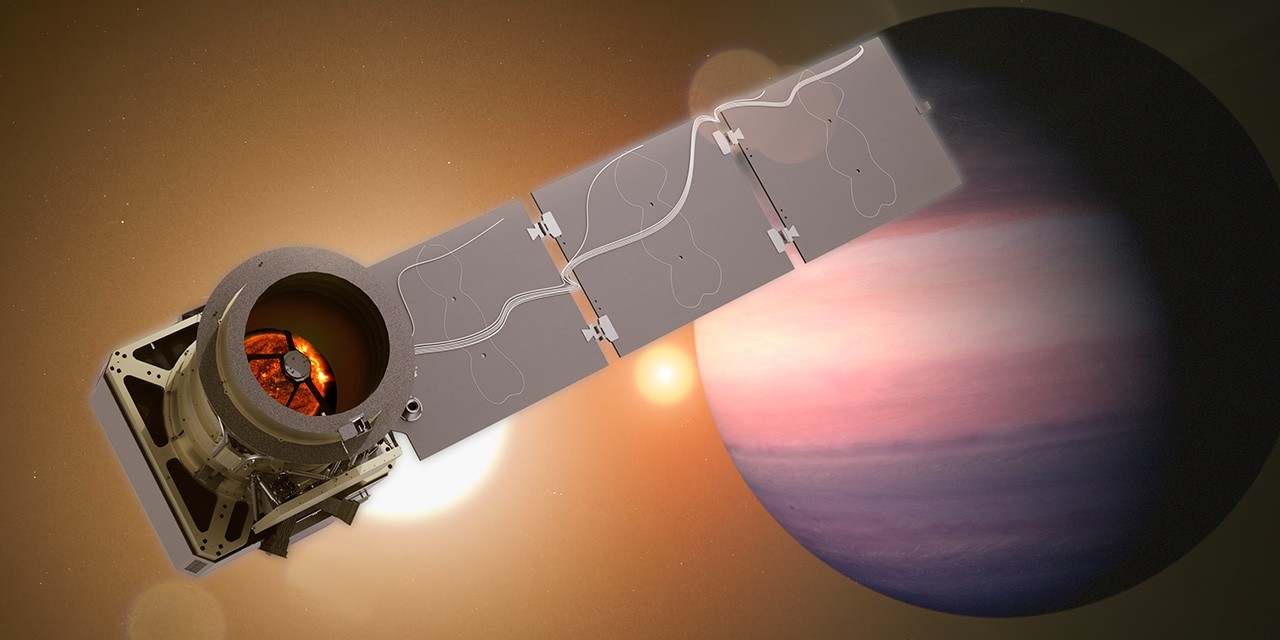
NASA has launched its Pandora mission, the first under the Astrophysics Pioneers program, to study exoplanets and the stars they orbit. The mission aims to analyze the atmospheric composition of at least 20 exoplanets, searching for hazes, clouds, and water.
Pandora, NASA’s newest exoplanet mission, is now actively observing worlds beyond our solar system. This marks the first launch through the agency’s Astrophysics Pioneers program, a program designed to enable innovative and cost-effective missions. The primary goal of Pandora is to determine the atmospheric make-up of a minimum of 20 exoplanets.
The mission will specifically investigate the presence of atmospheric features like hazes, clouds, and, crucially, water. According to NASA, “Pandora’s data […]” will provide unique insights into these distant worlds and their potential for habitability. The mission’s observations will help scientists understand the diversity of exoplanetary atmospheres and the conditions that might support life beyond Earth.
Read the original coverage
💬 Comments
📜 Comment Policy