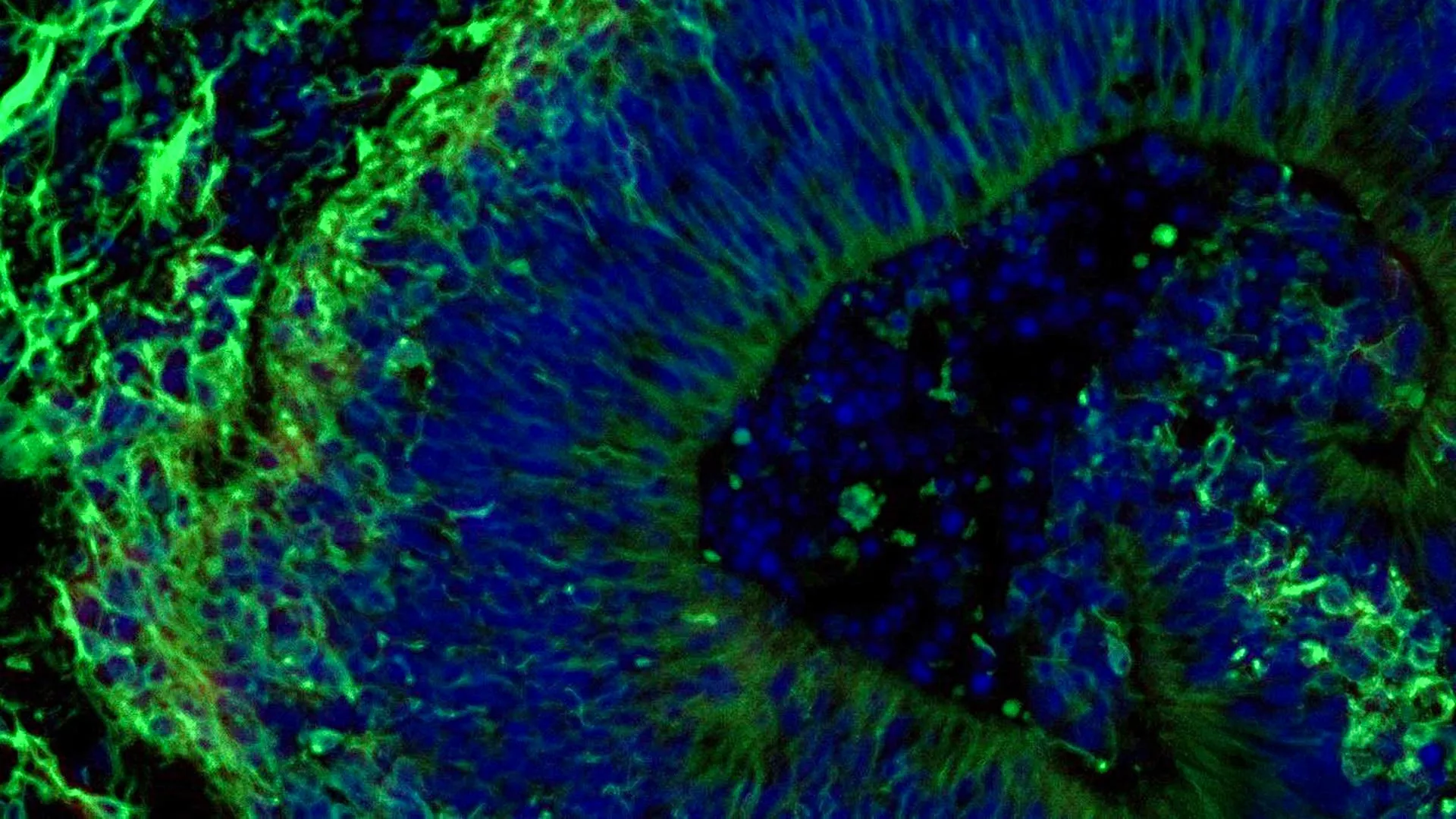
Researchers have developed miniature brain models, grown from patient cells, that could help predict which treatments will be effective for Alzheimer’s disease. The organoids demonstrated differing responses to an antidepressant and release particles potentially useful for diagnosis.
The study revealed striking differences in how Alzheimer’s-related tissue responds to an antidepressant. These “mini brains,” formally known as organoids, were created using cells from patients. Researchers observed variations in the way these models reacted to the medication, suggesting a potential pathway toward personalized treatment plans.
The research team believes that both the organoids themselves and the particles they release could be instrumental in improving Alzheimer’s care. According to the source material, the organoids and the particles they release “could eventually guide more personalized treatments and provide new clues for diagnosing the disease.” This offers hope for a future where treatment is tailored to individual patient needs and early diagnosis is improved.
The study does not specify *when* these advancements might become commonplace, nor *where* the research took place beyond being conducted by an unnamed team. However, the core finding centers on the *why*: understanding how different patients respond at a tissue level could unlock more effective therapies for Alzheimer’s disease.
We don't rate truth. We strip the spin and show you which perspectives covered the story. You decide.
Read the original coverage
💬 Comments
📜 Comment Policy